Leggy Growth on philodendron
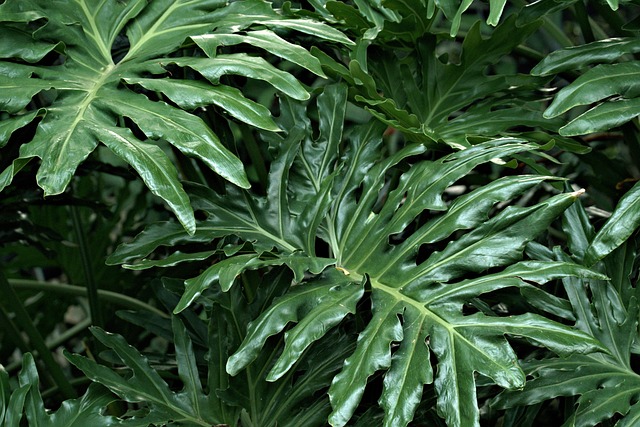
What's Happening
Insufficient light causes Philodendrons to stretch (etiolate) as they reach for light sources. Monopodial climbers naturally seek vertical support, but low light exaggerates this, producing long internodes, small leaves, and weak stems.
How to Fix It
- 1
Relocate to bright indirect light (east or west-facing window)
- 2
Supplement with full-spectrum LED grow lights if natural light is insufficient
- 3
Provide 12-14 hours of light daily
- 4
Add a moss pole or trellis for vertical support
- 5
Prune leggy stems to encourage bushier growth
How to Prevent It
Position in consistent bright indirect light (1000-3000 lux); use light meter app to verify adequate intensity; rotate plant weekly for even exposure; supplement with grow lights during winter months
Related Problems
Same Problem on Other Plants
Go Deeper
This is covered in-depth in the philodendron Mastery Pack — structured modules with video walkthroughs, advanced protocols, and rescue timelines.
Get the Mastery Pack — $37 →