Overwatering on philodendron
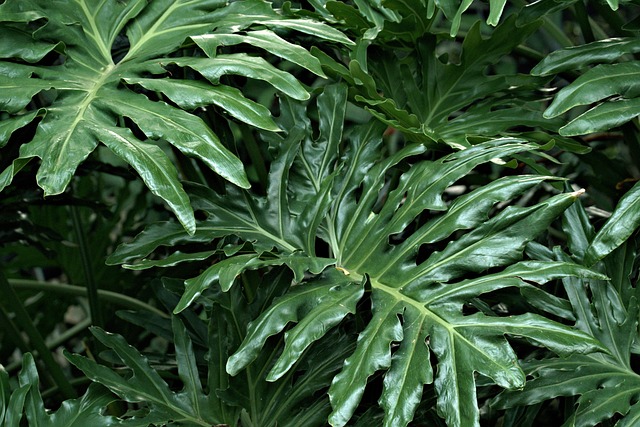
What's Happening
Overwatering occurs when soil stays wet too long, reducing oxygen availability to roots. Unlike root rot (pathogen-induced), overwatering stress causes yellowing, wilting, and slowed growth before rot sets in. Common with frequent watering, poor drainage, or oversized pots.
How to Fix It
- 1
Allow soil to dry completely before next watering - check top 2-3 inches
- 2
Ensure pot has drainage holes and saucer is emptied after watering
- 3
Repot in chunkier mix with 40-50% perlite/bark if soil retains too much moisture
- 4
Reduce watering frequency in winter when growth slows
- 5
Use moisture meter to verify soil dryness before watering
- 6
If severely waterlogged: unpot, dry soil, and repot in fresh mix
What You'll Need
How to Prevent It
Water only when top 2 inches dry; use well-draining aroid mix; choose appropriately sized pots; reduce watering in winter; avoid letting pots sit in standing water
Related Problems
Same Problem on Other Plants
Go Deeper
This is covered in-depth in the philodendron Mastery Pack — structured modules with video walkthroughs, advanced protocols, and rescue timelines.
Get the Mastery Pack — $37 →