Root Rot on philodendron
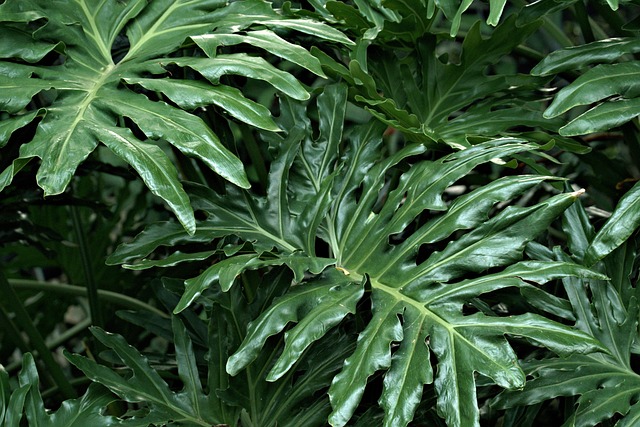
What's Happening
Root rot in Philodendron develops when soil saturation exceeds 7 days, creating anaerobic conditions (dissolved oxygen <2mg/L) that promote Pythium and Fusarium proliferation. The epiphytic root system, adapted to tree bark with high oxygen exposure, suffocates in dense potting mix. Unlike drought-tolerant succulents, Philodendrons lack water-storing tissue and depend on continuous root respiration. Early signs include yellowing lower leaves and stunted new growth with deformed leaves—symptoms often mistaken for nutrient deficiency or sunburn.
How to Fix It
- 1
Inspect roots monthly: Gently unpot and check for black/mushy tissue or foul odor
- 2
Trim rotted roots with sterilized scissors, leaving only firm white/cream tissue
- 3
Sterilize remaining roots in 3% hydrogen peroxide solution (1:4 with water) for 15-20 minutes
- 4
Repot in fresh chunky mix: 40% potting soil, 30% perlite, 20% orchid bark, 10% charcoal
- 5
Reduce watering frequency by 50% during recovery; resume only when soil is dry 2-3 inches down
How to Prevent It
Water only when top 2-3 inches of soil are completely dry; use chunky aroid mix with 50% perlite/bark minimum; ensure drainage holes; maintain 60-80% humidity to reduce watering frequency; never use self-watering pots for established plants.
Related Problems
Same Problem on Other Plants
Go Deeper
This is covered in-depth in the philodendron Mastery Pack — structured modules with video walkthroughs, advanced protocols, and rescue timelines.
Get the Mastery Pack — $37 →