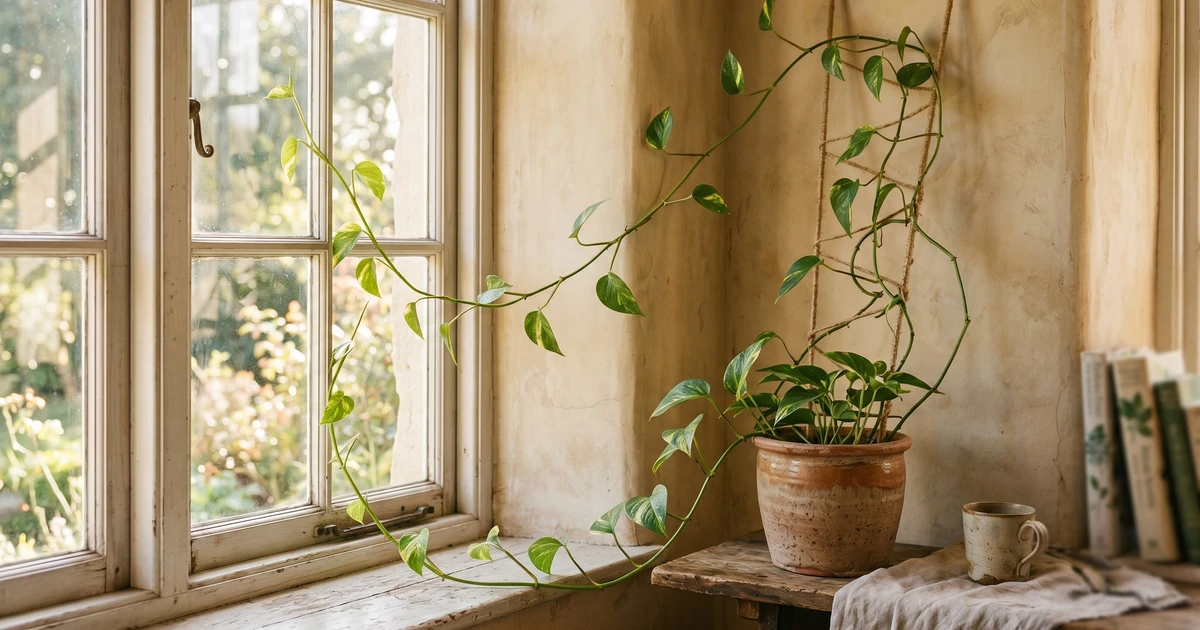
variegated watering on Rhaphidophora Tetrasperma
Quick answer
If your Rhaphidophora Tetrasperma has variegated watering, the most likely cause is: Variegated Rhaphidophora tetrasperma exhibits reduced chlorophyll area (40-60% less than green forms), requiring adjusted watering protocols. Research shows standard species maintains growth at 6.8 µmol m⁻² s⁻¹ light intensity with standard moisture levels. However, variegated forms with compromised photosynthetic capacity transpire less and require 20-30% less frequent watering than green specimens. White/cream sectors lack stomata density and lose moisture at slower rates, creating risk of overwatering if treated identically to all-green plants.
Start here:
- 1. Extend watering intervals: Add 2-3 days to your standard schedule for variegated forms
- 2. Use finger test: Insert 3 inches deep—water only when soil is dry throughout top layer
Why Rhaphidophora Tetrasperma gets variegated watering
Variegated Rhaphidophora tetrasperma exhibits reduced chlorophyll area (40-60% less than green forms), requiring adjusted watering protocols. Research shows standard species maintains growth at 6.8 µmol m⁻² s⁻¹ light intensity with standard moisture levels. However, variegated forms with compromised photosynthetic capacity transpire less and require 20-30% less frequent watering than green specimens. White/cream sectors lack stomata density and lose moisture at slower rates, creating risk of overwatering if treated identically to all-green plants.
How to reverse variegated watering on Rhaphidophora Tetrasperma
- 1
Extend watering intervals: Add 2-3 days to your standard schedule for variegated forms
- 2
Use finger test: Insert 3 inches deep—water only when soil is dry throughout top layer
- 3
Check pot weight: Lift before/after watering to learn dry vs saturated weight for your specimen
- 4
Improve drainage: Mix 40% perlite or orchid bark into standard potting soil
- 5
Reduce fertilizer: Apply at half strength to avoid overwhelming reduced root activity
Keep variegated watering off this Rhaphidophora Tetrasperma
Water variegated specimens only when top 2-3 inches of soil are dry, extending intervals 2-3 days longer than green forms. Use well-draining aroid mix with 40% perlite/bark to offset reduced transpiration. Monitor soil moisture with meter rather than visual cues, as variegated leaves show stress differently.