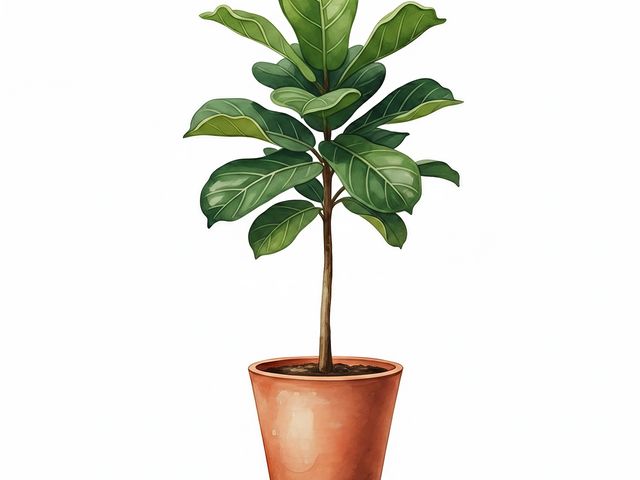
rhaphidophora tetrasperma
Comprehensive care and diagnosis guide for the Rhaphidophora Tetrasperma. Based on 11 verified community insights.
Care Requirements
At a Glance
Detailed care profile is currently being compiled by the Plant Grail swarm.
Start Here
Most Common Problems
Based on 11 analyzed cases — these are the issues you're most likely to encounter
Why does my Rhaphidophora Tetrasperma have light requirements variegated?
Rhaphidophora tetrasperma demonstrates exceptional shade tolerance through...
Why does my Rhaphidophora Tetrasperma have sunburn?
White variegated tissue on Rhaphidophora tetrasperma contains no chlorophyll,...
Why does my Rhaphidophora Tetrasperma have root rot?
Rhaphidophora tetrasperma has evolved for tropical understory conditions with...
Why does my Rhaphidophora Tetrasperma have variegated care?
Variegated Rhaphidophora tetrasperma exhibits white/cream sectors lacking...
Why does my Rhaphidophora Tetrasperma have fenestration development?
Fenestration (natural leaf splits) in Rhaphidophora tetrasperma develops when...
Verified Data
All Diagnoses
Complete analysis of 11 cases for this variety. Select an entry to expand rescue protocols.
Other Problems (3)
Propagation (2)
Watering Issues (1)
Common Questions
Frequently Asked Questions
Why does my rhaphidophora tetrasperma have Light requirements variegated?
Cause: Rhaphidophora tetrasperma demonstrates exceptional shade tolerance through specific leaf area adaptation mechanisms. Under low-light conditions (6.8 μmol m⁻² s⁻¹), plants increase specific leaf area to maximize light capture efficiency. However, the variegated form requires more light than the standard green form because white sectors contain zero chlorophyll and cannot photosynthesize. When light intensity drops below threshold levels, the plant cannot support the metabolic burden of non-photosynthetic tissue, leading to decline.
Solution: Measure current light with PAR meter or smartphone app—variegated R. tetrasperma needs 100-150 μmol m⁻² s⁻¹ minimum
Prevention: Provide bright indirect light at 100-150 μmol m⁻² s⁻¹ (approximately 800-1200 foot-candles) for variegated specimens—higher than green forms. Position near east-facing windows or 3-5 feet from south/west windows with sheer curtains. Monitor for loss of variegation (reversion to green) as a sign of insufficient light.
85% confidence · View full protocol →
Why does my rhaphidophora tetrasperma have Variegation sunburn?
Cause: White variegated tissue on Rhaphidophora tetrasperma contains no chlorophyll, eliminating photoprotective mechanisms. When exposed to direct sunlight or intense artificial light, the white cells undergo photooxidative damage—essentially sunburn without protective pigments. This appears as brown, crispy spots specifically on white/cream sectors while green tissue remains unaffected.
Solution: Immediate relocation: Move to bright INDIRECT light only—never direct sun on variegated tissue
Prevention: Position 4-6 feet from south-facing windows; use sheer curtains to diffuse direct sun; maintain 60%+ humidity to support stressed tissue; avoid fertilizing damaged plants; acclimate gradually over 7-10 days when relocating.
80% confidence · View full protocol →
Why does my rhaphidophora tetrasperma have Root rot?
Cause: Rhaphidophora tetrasperma has evolved for tropical understory conditions with well-draining forest floor substrates. Root rot develops when soil remains saturated for 7+ days, creating anaerobic conditions below 2mg/L dissolved oxygen. The fine, fibrous root system is particularly susceptible to hypoxic damage.
Solution: Inspect immediately: Unpot and examine root color—healthy roots are white/cream and firm
Prevention: Water only when top 2 inches of soil are dry; use chunky aroid mix (50% bark/perlite); ensure drainage holes allow water exit within 30 seconds; avoid oversized pots that retain excess moisture; maintain bright indirect light to support transpiration.
75% confidence · View full protocol →
Why does my rhaphidophora tetrasperma have Variegated care?
Cause: Variegated Rhaphidophora tetrasperma exhibits white/cream sectors lacking chlorophyll, reducing photosynthetic capacity by 40-60% compared to green specimens. Research shows the species sustains growth at 6.8 µmol m⁻² s⁻¹ white LED for 9h/day, but variegated forms require higher light intensity (12-15 µmol m⁻² s⁻¹) to compensate for reduced chlorophyll area. White tissue provides zero photoprotection, making variegated sectors susceptible to photooxidative damage under direct sunlight while simultaneously requiring brighter conditions than green forms.
Solution: Position in bright indirect light: East-facing window with sheer curtain or 3-5 feet from south/west windows
Prevention: Provide consistent bright indirect light (2000-4000 lux) measured with light meter. Variegated forms need more total light than green specimens to support equivalent growth rates. Maintain stable environment without sudden light changes that trigger stress responses.
75% confidence · View full protocol →
Why does my rhaphidophora tetrasperma have Fenestration development?
Cause: Fenestration (natural leaf splits) in Rhaphidophora tetrasperma develops when plants transition from juvenile to mature growth phase, triggered by adequate light intensity supporting robust photosynthesis. Research demonstrates that climbing plants allocate more biomass to stems under higher light (20.1 µmol m⁻² s⁻¹), altering morphology. Juvenile leaves remain entire (unsplit) until the plant reaches maturity markers: stem diameter >8mm, climbing support attachment, and minimum 6-8 nodes from base.
Solution: Provide climbing support early: Install moss pole or trellis when plant has 4-6 leaves to encourage vertical growth habit
Prevention: Start with climbing support from day one. Position in bright indirect light rather than low light corners. Understand that fenestration is a maturity marker—seedlings and young plants will not produce split leaves regardless of conditions.
75% confidence · View full protocol →