Etiolation on sedum
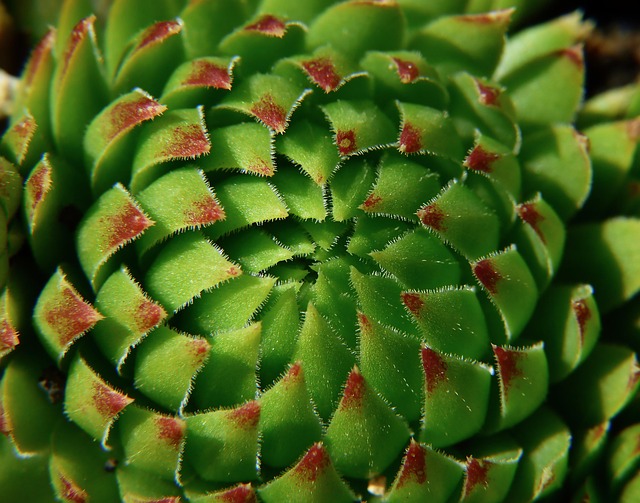
What's Happening
Sedum species experience etiolation when light levels drop below CAM photosynthesis thresholds (PAR < 200 μmol/m²/s). The photomorphogenic response triggers auxin-driven stem elongation as the plant seeks photons. Unlike Echeveria, Sedum exhibits more delicate leaves that readily drop during handling of stretched stems, making early detection critical. Sedum dasyphyllum and related species show particularly rapid etiolation in low-light office environments.
How to Fix It
- 1
1. Immediate light increase: Position within 1-2 feet of south- or west-facing window for 4-6 hours direct sun
- 2
2. Supplement with full-spectrum LED: Use quality grow lights (not cheap blurple USB models) on 12-14 hour photoperiod
- 3
3. Bury elongated stems: Gently bury stretched stems up to remaining rosettes, keeping heads facing upward to encourage rooting along stem length
- 4
4. Handle with care: Sedum leaves detach easily—avoid touching foliage during repositioning
- 5
5. Gradual acclimation: Increase light over 1-2 weeks to prevent sunburn, monitoring for bleaching
How to Prevent It
Maintain 1000-2000 foot-candles of light year-round for compact Sedum growth. Use timers for LED grow lights in low-light seasons. Rotate plant weekly to prevent unilateral stretch. Group with other succulents to maintain 40-60% humidity microclimate.