Stretching on sedum
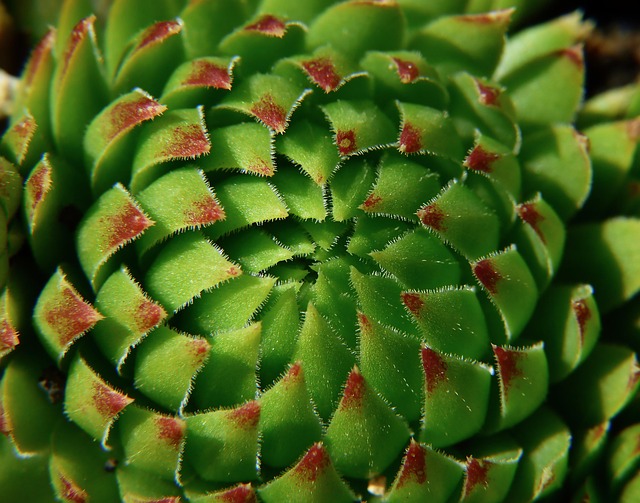
What's Happening
Sedum and other Crassulaceae family succulents become etiolated (leggy, stretched) when light intensity is insufficient for their photosynthetic needs. This photomorphogenic response involves auxin-driven stem elongation as the plant seeks brighter light. Etiolated growth is weak, pale, and unable to support the plant properly.
How to Fix It
- 1
1. Assess light levels using a meter app or device - etiolation occurs below 2000 lux for most succulents
- 2
2. Behead the plant by cutting the stem near the soil line, keeping the compact top rosette
- 3
3. Remove and save healthy leaves from the lower stem for leaf propagation
- 4
4. Allow all cut surfaces to callus for 2-3 days in shade before planting
- 5
5. Plant beheaded top and leaf cuttings in fresh soil; provide adequate light to prevent recurrence
How to Prevent It
Provide 6+ hours direct morning sun or 12-16 hours under full-spectrum LED grow lights delivering 200-400 µmol/m²/s PAR; rotate pots weekly for even exposure; acclimate gradually when moving from low to high light to prevent sunburn; choose appropriate species for available light conditions - Haworthia and Gasteria tolerate lower light than Sedum or Echeveria