Low Light on snake plant
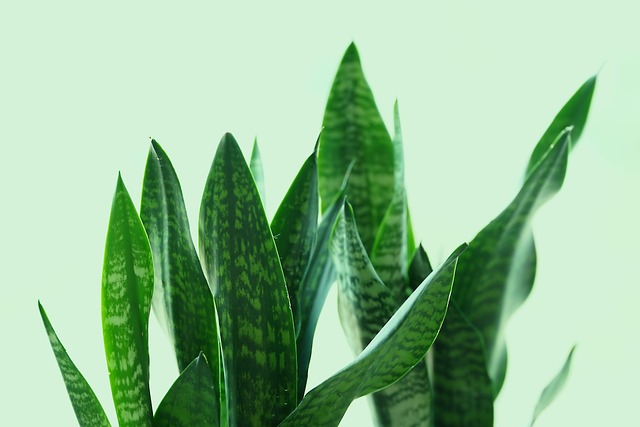
What's Happening
Snake plants are among the most low-light tolerant houseplants due to CAM photosynthesis, which allows them to survive in very dim conditions (50-100 lux). However, extremely low light causes etiolation - leaves become stretched, thin, and may bend or lean toward light sources. While the plant survives, it becomes less compact and attractive. In zero natural light, artificial grow lights are necessary for long-term health.
How to Fix It
- 1
For low light rooms: Provide bright indirect light when possible, even a few hours helps
- 2
For windowless rooms: Use full-spectrum LED grow light 12-14 hours daily
- 3
Rotate plant 90° every 2 weeks to prevent leaning
- 4
If etiolated: Move to brighter light gradually; new growth will be more compact
- 5
Accept slower growth in low light - this is normal, not a problem
How to Prevent It
Place in brightest available indirect light. East or west-facing windows are ideal. North-facing is acceptable. Dark corners require supplemental lighting. Snake plants will survive but not thrive in very low light.
Related Problems
Same Problem on Other Plants
Go Deeper
This is covered in-depth in the snake plant Mastery Pack — structured modules with video walkthroughs, advanced protocols, and rescue timelines.
Get the Mastery Pack — $37 →