Root Rot on snake plant
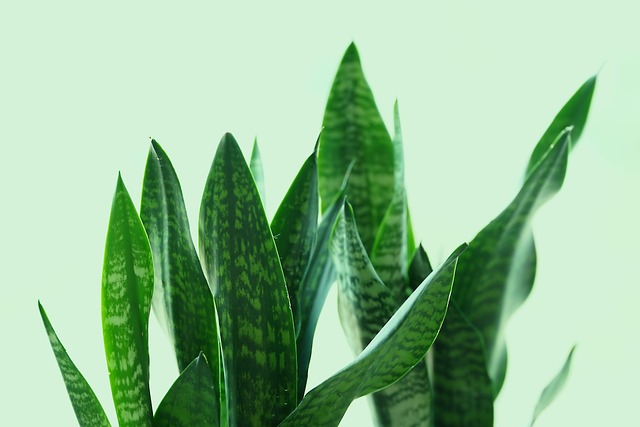
What's Happening
Root rot in Sansevieria trifasciata (snake plant) develops when the compact rhizomatous root system remains in waterlogged, poorly aerated soil for 7+ days. The succulent's thick, water-storing leaves mask root decline until structural failure occurs. Anaerobic conditions promote bacterial and fungal pathogens (Pythium, Fusarium) that break down root tissue, causing vascular collapse and stem weakness.
Alternative causes:
- • Pythium spp. (oomycete water molds) colonize root tissue when soil remains saturated for 7+ days, creating anaerobic conditions below 2mg/L dissolved oxygen. Pathogens enter through root hairs, destroying fine feeder roots first before attacking larger structural roots. In snake plants and ZZ plants, rhizomatous storage tissue delays visible symptoms until 40-60% of root mass is compromised.
How to Fix It
- 1
Inspect weekly: Remove plant from pot monthly to visually assess root health
- 2
Palpate rhizomes: Healthy tissue feels firm like a potato; rotting tissue yields to gentle pressure
- 3
Smell test: Healthy roots have earthy aroma; rot produces distinct sour/foul odor
- 4
Check drainage: Lift pot after watering—excess water should exit within 30 seconds
- 5
Monitor leaf texture: Sudden leaf spreading or basal softness indicates root failure
How to Prevent It
Water only when top 3 inches of soil are bone-dry (finger test or moisture meter). Use terracotta pots for natural moisture wicking. Maintain bright indirect light to support transpiration and prevent moisture retention.
Related Problems
Same Problem on Other Plants
Go Deeper
This is covered in-depth in the snake plant Mastery Pack — structured modules with video walkthroughs, advanced protocols, and rescue timelines.
Get the Mastery Pack — $37 →