Cold Stress on stress
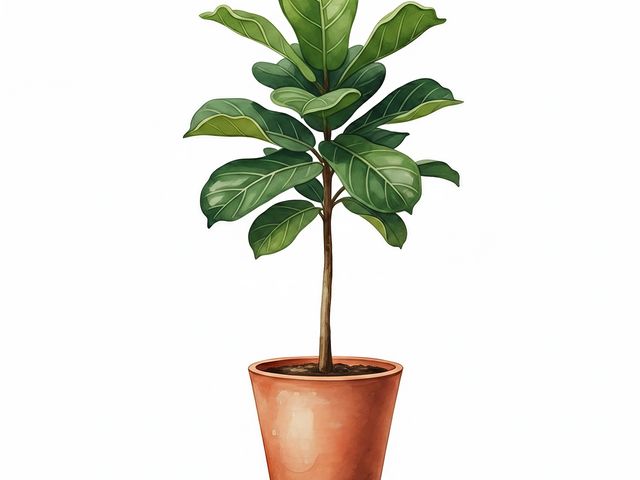
What's Happening
Cold stress occurs when tropical houseplants experience temperatures below 55°F (13°C), triggering membrane phase transitions that disrupt cellular function. Tropical species lack cold-acclimation mechanisms found in temperate plants. Exposure to 35-50°F (2-10°C) causes ice crystal formation in intercellular spaces, leading to mechanical damage to cell walls and organelle rupture. Vascular embolism occurs as water in xylem vessels freezes and expands, blocking nutrient transport.
How to Fix It
- 1
Immediately move plant to stable indoor location with temperatures above 65°F (18°C)
- 2
Perform cambium scratch test on stems: green tissue under bark indicates viable plant
- 3
Remove severely damaged or dropped leaves to reduce stress and prevent rot
- 4
Withhold watering if soil is moist; resume only when top 1-2 inches dry
- 5
Maintain bright indirect light and 40-60% humidity; avoid fertilizing until new growth appears
How to Prevent It
Maintain indoor temperatures consistently above 65°F; avoid drafty windows, AC vents, or exterior doors. Quarantine new acquisitions in stable microclimates for 14 days. Relocate plants when forecasts predict temperatures below 55°F.