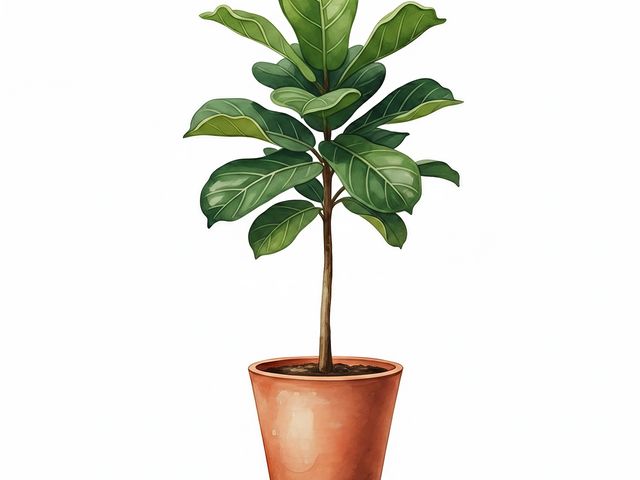
stress
Comprehensive care and diagnosis guide for the Stress. Based on 5 verified community insights.
Care Requirements
At a Glance
Detailed care profile is currently being compiled by the Plant Grail swarm.
Start Here
Most Common Problems
Based on 5 analyzed cases — these are the issues you're most likely to encounter
Why does my Stress have drought stress?
Drought stress occurs when soil moisture drops below the permanent wilting...
Why does my Stress have heat stress?
Heat stress in tropical houseplants occurs when temperatures exceed 85°F (29°C)...
Is my Stress suffering from cold damage?
Cold stress occurs when tropical houseplants experience temperatures below 55°F...
Why does my Stress have light stress?
Light stress manifests in two opposing forms: photoinhibition from excess light...
Why does my Stress have recovery protocols?
Plant stress recovery operates through three physiological phases:...
Verified Data
All Diagnoses
Complete analysis of 5 cases for this variety. Select an entry to expand rescue protocols.
Common Questions
Frequently Asked Questions
Why does my stress have Drought stress?
Cause: Drought stress occurs when soil moisture drops below the permanent wilting point (approximately -1.5 MPa), triggering cellular dehydration and loss of turgor pressure. In tropical houseplants, extended periods without water cause xylem cavitation, where air bubbles form in water-conducting vessels, blocking nutrient transport. The plant activates abscisic acid (ABA) signaling pathways to close stomata and reduce transpiration, but prolonged stress leads to chlorophyll degradation, leaf necrosis, and potential vascular collapse.
Solution: Check soil moisture 2 inches deep using finger test or moisture meter; water thoroughly until runoff if dry
Prevention: Maintain consistent soil moisture by checking top 2 inches every 3-5 days; water thoroughly when dry. Use well-draining soil with 30% perlite. Group plants for 40-60% humidity microclimates. Monitor for early stress indicators like slight leaf droop.
85% confidence · View full protocol →
Why does my stress have Heat stress?
Cause: Heat stress in tropical houseplants occurs when temperatures exceed 85°F (29°C) combined with intense light exposure, causing photoinhibition and protein denaturation. Direct sunlight exceeding 2,000-3,000 lux triggers photooxidative damage where reactive oxygen species overwhelm cellular antioxidant defenses. In shade-adapted species, leaf temperatures can exceed ambient air by 10-15°F due to direct solar radiation, causing irreversible chloroplast membrane damage and necrotic brown lesions.
Solution: Immediately relocate plant to bright indirect light location away from direct sun exposure
Prevention: Position plants in bright indirect light (1,000-2,000 lux) using sheer curtains or 3-6 feet from east/west windows. Acclimate gradually over 7-14 days when moving to brighter locations. Maintain 65-80°F temperatures with air circulation.
87% confidence · View full protocol →
Why does my stress have Cold stress?
Cause: Cold stress occurs when tropical houseplants experience temperatures below 55°F (13°C), triggering membrane phase transitions that disrupt cellular function. Tropical species lack cold-acclimation mechanisms found in temperate plants. Exposure to 35-50°F (2-10°C) causes ice crystal formation in intercellular spaces, leading to mechanical damage to cell walls and organelle rupture. Vascular embolism occurs as water in xylem vessels freezes and expands, blocking nutrient transport.
Solution: Immediately move plant to stable indoor location with temperatures above 65°F (18°C)
Prevention: Maintain indoor temperatures consistently above 65°F; avoid drafty windows, AC vents, or exterior doors. Quarantine new acquisitions in stable microclimates for 14 days. Relocate plants when forecasts predict temperatures below 55°F.
88% confidence · View full protocol →
Why does my stress have Light stress?
Cause: Light stress manifests in two opposing forms: photoinhibition from excess light (above 5,000 lux for shade-adapted species) and etiolation from insufficient light (below 500 lux). In photoinhibition, excessive photon flux overwhelms photosystem II reaction centers, generating reactive oxygen species that degrade chlorophyll and damage thylakoid membranes. In etiolation, insufficient light triggers shade-avoidance syndrome: plants stretch internodes, reduce leaf size, and develop smaller chloroplasts to maximize light capture.
Solution: Assess current light levels using phone light meter app or physical light meter
Prevention: Provide bright indirect light measuring 1,000-2,500 lux. Rotate plants 90° weekly for even distribution. Supplement with full-spectrum LED grow lights (12-14 hours/day) during winter or in north-facing rooms.
86% confidence · View full protocol →
Why does my stress have Recovery protocols?
Cause: Plant stress recovery operates through three physiological phases: stabilization (0-2 weeks), repair (2-8 weeks), and regeneration (8+ weeks). During stabilization, the plant downregulates metabolic activity and redirects resources from growth to cellular repair mechanisms. In the repair phase, damaged cellular components are cleared via autophagy, vascular pathways regenerate, and photosynthetic capacity gradually restores. The regeneration phase sees new primordia development from meristematic tissue.
Solution: Phase 1 (Weeks 1-2): Stabilize - Move to optimal location with bright indirect light (1,500-2,500 lux), 65-75°F, 50-70% humidity; withhold fertilizer; water only when top 2 inches soil dry
Prevention: Prevent recurrent stress by using moisture meters, installing sheer curtains for light management, maintaining temperature stability above 65°F, and grouping plants for humidity microclimates. Quarantine new plants for 14 days.
85% confidence · View full protocol →