Drought Stress on stress
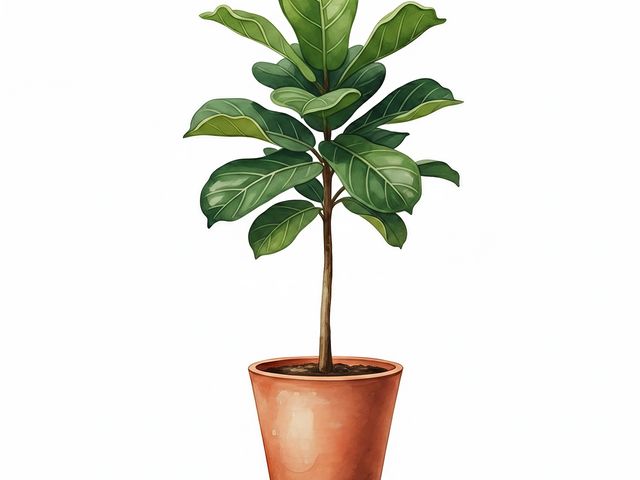
What's Happening
Drought stress occurs when soil moisture drops below the permanent wilting point (approximately -1.5 MPa), triggering cellular dehydration and loss of turgor pressure. In tropical houseplants, extended periods without water cause xylem cavitation, where air bubbles form in water-conducting vessels, blocking nutrient transport. The plant activates abscisic acid (ABA) signaling pathways to close stomata and reduce transpiration, but prolonged stress leads to chlorophyll degradation, leaf necrosis, and potential vascular collapse.
How to Fix It
- 1
Check soil moisture 2 inches deep using finger test or moisture meter; water thoroughly until runoff if dry
- 2
Mist leaves or use humidity tray to reduce transpiration stress during recovery
- 3
Move plant to stable location with bright indirect light (avoid direct sun during recovery)
- 4
Prune severely damaged leaves to redirect energy to healthy tissue and new growth
- 5
Monitor for 2-4 weeks; resume normal watering schedule when new growth appears
How to Prevent It
Maintain consistent soil moisture by checking top 2 inches every 3-5 days; water thoroughly when dry. Use well-draining soil with 30% perlite. Group plants for 40-60% humidity microclimates. Monitor for early stress indicators like slight leaf droop.