Mealybugs on string of pearls
What's Happening
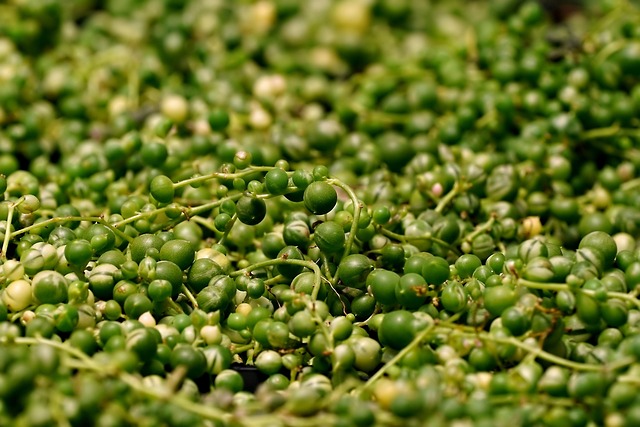
Mealybugs (Pseudococcidae) exploit the String of Pearls' unique architecture by establishing colonies at the base of pearls where the spherical leaves meet the stem. The waxy, cottony egg sacs blend with the plant's natural farina coating, making detection difficult until populations reach critical mass. Indoor ant species frequently farm mealybugs for honeydew, creating a mutualistic relationship that sustains reinfestation even after surface treatments.
How to Fix It
- 1
Targeted inspection: Use toothpick or bamboo skewer to gently part pearl clusters at stem joints; look for white cottony masses and sticky honeydew residue
- 2
Manual removal: Scrape visible mealybugs with toothpick and kill immediately; dab remaining individuals with 70% isopropyl alcohol on cotton swab
- 3
Alcohol treatment: Apply full-strength rubbing alcohol with spray bottle targeting pearl bases and soil surface where nymphs hide; repeat every 3-5 days for 2 weeks
- 4
Ant colony elimination: Deploy liquid ant bait (Terro or similar borax formula) near plant without disturbing trails; allow 1-2 weeks for colony collapse
- 5
Soil drench: For root mealybugs, unpot plant and treat with 3% hydrogen peroxide diluted 1:10 or systemic imidacloprid to reach hidden populations
- 6
Quarantine protocol: Isolate treated plant for minimum 4 weeks; inspect weekly with 10x loupe for surviving nymphs
What You'll Need
How to Prevent It
Inspect all new plants under bright light with magnification before introducing to collection. Place borax-based ant bait stations near plant shelves to eliminate ant colonies that protect and transport mealybugs. Maintain 40-50% humidity and excellent airflow to deter pest establishment.