Reverting To Green on variegated monstera
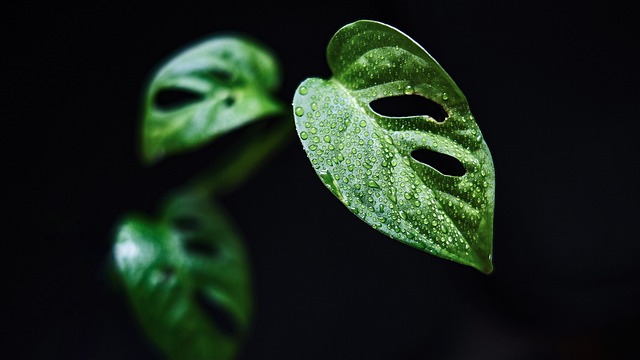
What's Happening
Chimeric variegation is an unstable mutation where chlorophyll-deficient cells (pink, white, cream sectors) lack photosynthetic capability and UV protection. These cells are genetically weaker and prone to die-off and reversion to solid green under suboptimal light conditions. Green cells photosynthesize more efficiently and outcompete variegated sectors when light is insufficient. Scientific evidence from Ficus microcarpa and Clivia miniata var. variegata studies confirms that albino sectors lack stacked thylakoids and have negligible photosynthetic rates.
How to Fix It
- 1
Gradually increase light exposure to bright indirect (avoid direct sun on variegated tissue). Use grow lights if natural light insufficient.
- 2
Prune solid-green leaves/stems back to nodes with desired variegation to redirect energy to variegated meristems
- 3
Propagate cuttings only from highly variegated sections - avoid propagating all-green growth
- 4
Monitor new growth weekly; adjust light immediately if green sheaths appear on emerging leaves
- 5
For Pink Princess specifically: provide 4-6 hours of direct natural sunlight or high-output grow lights to maintain pink expression
How to Prevent It
Maintain bright indirect light (2000-5000 lux depending on species) to give variegated sectors competitive advantage. Use automated light sensors for consistency. Select propagation material only from highly variegated nodes. Maintain high humidity (60-80%) and stable temperatures (70-85°F) to minimize stress-induced reversion.