Sunburn On Variegated Tissue on variegated monstera
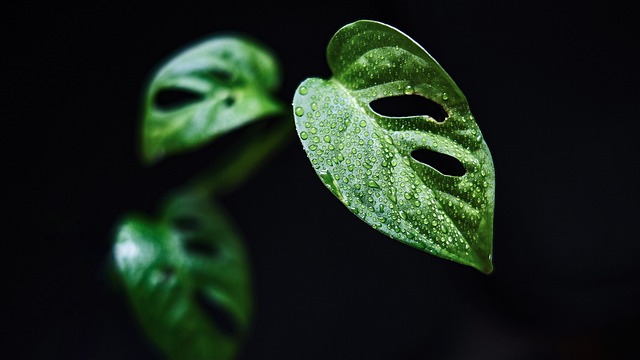
What's Happening
Variegated plant tissue contains reduced or zero chlorophyll, making it incapable of photosynthesis and photoprotection. When exposed to direct sunlight or intense grow lights, the white, cream, or pink cells suffer photooxidative damage without the protective mechanisms green tissue possesses. This appears as brown, crispy spots specifically on variegated areas. Scientific evidence from Dracaena fragrans studies shows that light green sectors can maintain oxygenic photosynthesis similar to normal tissue, but pigment-deficient (white/cream) sectors lack protective capacity.
How to Fix It
- 1
Immediate relocation to bright INDIRECT light only - east-facing window with sheer curtain ideal
- 2
If using grow lights: Maintain 12-18 inches distance; use hand-heat test (should not feel warmth)
- 3
Measure with light meter: Target varies by species - generally 5000-8000 lux maximum for most variegated houseplants
- 4
Trim affected brown areas with sterile scissors to prevent spread and improve aesthetics
- 5
Increase humidity to 60-80% to support stressed tissue recovery and reduce water loss from damaged cells
What You'll Need
How to Prevent It
Acclimate variegated plants to light over 7-10 days gradually; position 3-5 feet from south/west windows; use UV-filtering window film; maintain consistent 60%+ humidity year-round; avoid fertilizing stressed plants. Variegated plants paradoxically need MORE light than green varieties (to support reduced chlorophyll area) but must be INDIRECT and filtered.