alocasia dragon scale
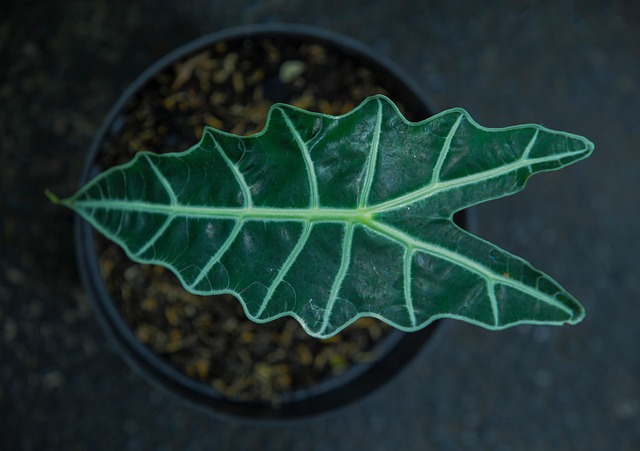
Alocasia baginda 'Dragon Scale'
Evidence-based care guide for Alocasia Dragon Scale (Alocasia baginda 'Dragon Scale'). Covers symptom diagnosis and disease treatment. Our analysis draws from 5 verified community cases with an average confidence score of 90%. Each protocol is synthesized from real rescue outcomes, not generic advice.
Care Essentials
Get to Know Your Alocasia Dragon Scale
The #1 killer? Overwatering. Let the soil dry between waterings and your Alocasia Dragon Scale will thrive.
Light
medium to bright indirect
Most comfortable in medium to bright indirect light. Avoid prolonged direct sun exposure.
💡 Grow lights: Thrives under artificial grow lights (LED or fluorescent, 10-12 hours/day). A great option if your space lacks natural light.
Watering
every 10-14 days
Let the soil dry out significantly between waterings — this plant is very sensitive to overwatering. When in doubt, wait another day.
Humidity & Temperature
Not fussy about humidity. Handles average indoor conditions without issue.
Standard room temperature (60-80°F / 15-27°C) is perfect. Avoid cold drafts and sudden temperature swings.
Soil
Needs well-draining soil — add perlite or orchid bark to a standard potting mix. Good drainage is critical to prevent root rot.
Care Requirements
At a Glance
Care Profile in Development
While our detailed care profile is being compiled, you can find specific care guidance in the 0 care-related diagnoses below — including watering schedules, light requirements, and propagation methods from real-world cases.
Start Here
Most Common Problems
Based on 5 analyzed cases — these are the issues you're most likely to encounter
Don't see your symptom? Search all 3 topics below, or run the Diagnostic.
Why are my Alocasia Dragon Scale leaves turning yellow?
Alocasia Dragon Scale (Alocasia baginda 'Dragon Scale') exhibits natural leaf...
Why does my Alocasia Dragon Scale have root rot?
Alocasia baginda 'Dragon Scale' can recover from advanced root rot through...
Alocasia Dragon Scale: Dormancy
Alocasia Dragon Scale enters dormancy (a survival mechanism for tuberous...
Which of the 7 Killers
is threatening your plants?
We analyzed 1,616 documented plant deaths to identify the 7 causes behind 78% of all losses. Answer 5 questions — we'll tell you exactly which ones apply to your setup.
Skip the quiz — get The 7 Killers course ($19) →Question 1 of 5
How do you decide when to water your plants?
Question 2 of 5
Where do most of your plants live?
Question 3 of 5
What's your home environment like?
Question 4 of 5
Have you lost a plant in the last 6 months?
Question 5 of 5
How often do you check your plants for pests?
Your diagnosis is ready
We've identified your top 2 risk killers. Enter your email to see the full breakdown and your personalized rescue protocol.
Your plants are most at risk from:
The 7 Killers mini-course covers every one of these in depth — mechanism, rescue protocol, prevention. 1,616 cases. 7 lessons. $19.
Get The 7 Killers — $19 →Get the Plant Mortality Checklist
The 7 killers behind 78% of houseplant deaths — and the exact fix for each. Free PDF based on 1,616 documented cases.
Your checklist is ready!
We also sent it to your inbox. Check your email for the full download.
Open the ChecklistFree. No spam. Unsubscribe anytime.
Verified Data
All Diagnoses
3 topics consolidated from 5 documented cases. Expand any topic to see all protocols.
Symptoms (1 topics · 2 cases)
Why are my Alocasia Dragon Scale leaves turning yellow?
Alocasia Dragon Scale (Alocasia baginda 'Dragon Scale') exhibits natural leaf senescence where older, outermost leaves yellow and die to redirect energy to new growth
2 protocols
90–91%
Why are my Alocasia Dragon Scale leaves turning yellow?
Alocasia Dragon Scale (Alocasia baginda 'Dragon Scale') exhibits natural leaf senescence where older, outermost leaves yellow and die to redirect energy to new growth
Protocol 1: yellow leaves - natural senescence vs root rot · 91% confidence
Cause
Alocasia Dragon Scale (Alocasia baginda 'Dragon Scale') exhibits natural leaf senescence where older, outermost leaves yellow and die to redirect energy to new growth. This monopodial growth pattern is normal aroid behavior, not a sign of disease or root rot. The plant maintains only 4-6 leaves at a time via this energy reallocation system.
Solutions
- Identify if yellowing affects only the oldest, outermost leaves—this confirms natural senescence, not root rot
- Inspect for new growth at the center of the plant; if present, the yellowing is part of normal cycling
- Allow yellow leaves to fully yellow before removing; they continue providing energy during senescence
- Remove only fully yellow leaves at the base with clean scissors to redirect energy
- Monitor new leaves for healthy green color and proper unfurling to confirm plant is thriving
Prevention
Maintain consistent care conditions: 60-80% humidity via pebble trays or humidifiers, bright indirect light (2000-5000 lux), and allow top 2 inches of soil to dry between waterings. Expect and accept that older leaves will naturally senesce when new growth emerges.
Protocol 2: yellow leaves · 90% confidence
Cause
Alocasia baginda 'Dragon Scale' exhibits programmed basal senescence where the oldest (outermost) leaf yellows and dies to redirect energy to new apical growth—a normal physiological process for this monopodial aroid. However, multiple leaves yellowing rapidly or new growth discoloring indicates root rot from anaerobic soil conditions (Pythium/Fusarium pathogens). The key differentiator is pattern: single oldest leaf drop with concurrent new leaf emergence equals natural cycling; widespread or rapid yellowing with wet soil and foul odor signals pathological root decay.
Solutions
- Inspect yellowing pattern: Single oldest outer leaf with new central growth = natural senescence; multiple leaves or new growth affected = investigate further
- Check soil and roots: If yellowing is widespread, gently unpot and examine roots—healthy roots are white/firm, rotting roots are black/mushy with sour odor
- For natural senescence: Allow leaf to fully yellow, then snip at base cleanly to redirect energy; do not remove prematurely
- For root rot: Trim all rotted roots with sterilized scissors, treat remaining roots with 3% hydrogen peroxide dip (1:1 with water for 20 minutes), repot in fresh chunky aroid mix
- Maintain recovery conditions: 60-80% humidity, bright indirect light (2000-5000 lux), and water only when top 2-3 inches of soil are dry
Prevention
Water only when top 2-3 inches of soil are completely dry; use well-draining chunky aroid mix (50% bark/perlite, 30% peat, 20% pumice); maintain 60-80% humidity via pebble trays or humidifiers; provide bright indirect light to support healthy growth cycles; inspect roots monthly during active growing season.
Diseases (1 topics · 2 cases)
Why does my Alocasia Dragon Scale have root rot?
Alocasia baginda 'Dragon Scale' can recover from advanced root rot through rhizome propagation even when nearly all roots are lost, provided the central rhizome remains firm
2 protocols
88–90%
Why does my Alocasia Dragon Scale have root rot?
Alocasia baginda 'Dragon Scale' can recover from advanced root rot through rhizome propagation even when nearly all roots are lost, provided the central rhizome remains firm
Protocol 1: root rot recovery protocol · 90% confidence
Cause
Alocasia baginda 'Dragon Scale' can recover from advanced root rot through rhizome propagation even when nearly all roots are lost, provided the central rhizome remains firm. The fleshy rhizome contains stored carbohydrates and meristematic tissue capable of regenerating new roots. Recovery fails when owners either give up prematurely or repot into oversized containers that recreate the anaerobic conditions that caused the original rot. The plant prioritizes root regeneration over leaf production during recovery, explaining the 2-3 month delay before visible new growth.
Solutions
- Assess rhizome viability: Gently squeeze the rhizome—firm tissue indicates recovery potential; mushy/squishy rhizome means propagation is unlikely
- Complete root removal: Trim ALL rotted roots until only clean, white tissue remains; do not leave partially damaged roots
- H2O2 sterilization: Soak rhizome in 3% hydrogen peroxide solution (1:1 with water) for 15-20 minutes to kill remaining pathogens
- Air-drying: Lay rhizome on paper towel in bright indirect light for 48-72 hours to allow cut surfaces to callus
- Propagation medium: Plant in damp long-fiber sphagnum moss or chunky aroid mix in a small clear pot to monitor root development
- Environmental recovery: Maintain 70-80% humidity, bright indirect light (2000-5000 lux), and temperatures 65-80°F
- Patience phase: Expect no visible growth for 2-3 months while roots regenerate underground; resist urge to disturb or overwater
Prevention
Post-recovery: Always use pots only 1 inch larger than the rhizome; implement strict 'dry out' watering schedule using moisture meter; maintain 60-80% humidity without saturating soil; use chunky, well-aerated aroid mix with 50% drainage amendments; inspect roots quarterly by gently unpotting.
Protocol 2: root rot · 88% confidence
Cause
Root rot in Alocasia Dragon Scale develops when the epiphytic root system remains in waterlogged, poorly aerated soil for extended periods. The chunky, bark-based soil mix typical for aroids breaks down over time, creating anaerobic conditions that promote Pythium and Fusarium pathogens. This is distinct from natural senescence—root rot causes rapid yellowing of multiple leaves simultaneously, not just the oldest leaf.
Solutions
- Unpot immediately and gently rinse all soil from roots to assess damage
- Trim ALL black, mushy, or foul-smelling roots with sterilized scissors—leave only firm, white healthy tissue
- Sterilize remaining roots: soak in 3% hydrogen peroxide solution (1:1 with water) for 20 minutes to kill pathogens and oxygenate
- Allow roots to air-dry for 48 hours to callus over cut wounds
- Repot in fresh, dry chunky aroid mix in a pot only 1-2 inches larger than the root ball
- Withhold water for 1 week post-repot, then resume light watering only when soil is nearly dry
Prevention
Use a chunky, well-draining aroid mix (50% bark/perlite, 30% peat/coco, 20% pumice). Ensure pot has drainage holes. Water only when top 2-3 inches of soil are dry. Maintain 60-80% humidity with good airflow to mimic epiphytic conditions.
Other Topics (1 topics · 1 cases)
Alocasia Dragon Scale: Dormancy
Alocasia Dragon Scale enters dormancy (a survival mechanism for tuberous aroids) when exposed to reduced light, colder temperatures, or environmental stress
89%
Alocasia Dragon Scale: Dormancy
Alocasia Dragon Scale enters dormancy (a survival mechanism for tuberous aroids) when exposed to reduced light, colder temperatures, or environmental stress
Cause
Alocasia Dragon Scale enters dormancy (a survival mechanism for tuberous aroids) when exposed to reduced light, colder temperatures, or environmental stress. The plant redirects energy to its underground bulb/corm for storage, causing rapid yellowing of all leaves. This distinguishes from root rot by the sudden uniform yellowing and the presence of a plump, healthy bulb when inspected.
Solutions
- Inspect roots and bulb immediately: gently unpot and check for firm, white roots and plump bulb (signs of dormancy) vs black, mushy roots (signs of rot)
- If bulb is healthy: reduce watering to keep soil barely moist every 2-3 weeks, do not remove yellow leaves yet as they support potential regrowth
- Maintain 65-75°F temperature range and indirect bright light to encourage spring rebound
- Patience: dormant Alocasias typically regrow from the bulb in 2-4 months when conditions improve
- Resume normal watering only when new growth emerges from the bulb
Prevention
Maintain stable growing conditions year-round: consistent bright indirect light (use grow lights in winter), temperatures 65-75°F (18-24°C), and 60-70% humidity. Avoid sudden environmental changes that trigger dormancy responses.
Common Questions
Frequently Asked Questions
Why does my alocasia dragon scale have Yellow leaves - natural senescence vs root rot?
Cause: Alocasia Dragon Scale (Alocasia baginda 'Dragon Scale') exhibits natural leaf senescence where older, outermost leaves yellow and die to redirect energy to new growth. This monopodial growth pattern is normal aroid behavior, not a sign of disease or root rot. The plant maintains only 4-6 leaves at a time via this energy reallocation system.
Solution: Identify if yellowing affects only the oldest, outermost leaves—this confirms natural senescence, not root rot
Prevention: Maintain consistent care conditions: 60-80% humidity via pebble trays or humidifiers, bright indirect light (2000-5000 lux), and allow top 2 inches of soil to dry between waterings. Expect and accept that older leaves will naturally senesce when new growth emerges.
91% confidence · View full protocol →
Why does my alocasia dragon scale have Root rot recovery protocol?
Cause: Alocasia baginda 'Dragon Scale' can recover from advanced root rot through rhizome propagation even when nearly all roots are lost, provided the central rhizome remains firm. The fleshy rhizome contains stored carbohydrates and meristematic tissue capable of regenerating new roots. Recovery fails when owners either give up prematurely or repot into oversized containers that recreate the anaerobic conditions that caused the original rot. The plant prioritizes root regeneration over leaf production during recovery, explaining the 2-3 month delay before visible new growth.
Solution: Assess rhizome viability: Gently squeeze the rhizome—firm tissue indicates recovery potential; mushy/squishy rhizome means propagation is unlikely
Prevention: Post-recovery: Always use pots only 1 inch larger than the rhizome; implement strict 'dry out' watering schedule using moisture meter; maintain 60-80% humidity without saturating soil; use chunky, well-aerated aroid mix with 50% drainage amendments; inspect roots quarterly by gently unpotting.
90% confidence · View full protocol →
Why does my alocasia dragon scale have Dormancy?
Cause: Alocasia Dragon Scale enters dormancy (a survival mechanism for tuberous aroids) when exposed to reduced light, colder temperatures, or environmental stress. The plant redirects energy to its underground bulb/corm for storage, causing rapid yellowing of all leaves. This distinguishes from root rot by the sudden uniform yellowing and the presence of a plump, healthy bulb when inspected.
Solution: Inspect roots and bulb immediately: gently unpot and check for firm, white roots and plump bulb (signs of dormancy) vs black, mushy roots (signs of rot)
Prevention: Maintain stable growing conditions year-round: consistent bright indirect light (use grow lights in winter), temperatures 65-75°F (18-24°C), and 60-70% humidity. Avoid sudden environmental changes that trigger dormancy responses.
89% confidence · View full protocol →
Common Questions
Frequently Asked About Alocasia Dragon Scale
What problems can Alocasia Dragon Scale get?
Our database contains 5 documented Alocasia Dragon Scale cases covering 3 distinct topics, including diseases, pest identification, environmental stress, propagation, and advanced care protocols — each with verified solutions.
Structured Learning
Ready to Go Deeper?
Explore our Mastery Packs for structured, video-based learning with step-by-step protocols from 20,000+ analyzed plant cases.
Browse All Courses →