Root Rot on alocasia dragon scale
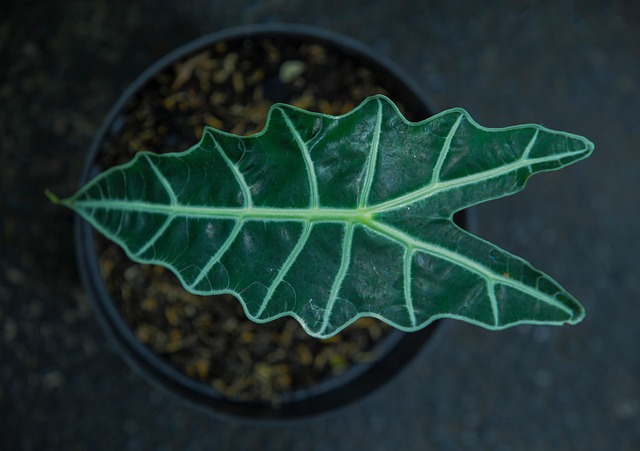
What's Happening
Root rot in Alocasia Dragon Scale develops when the epiphytic root system remains in waterlogged, poorly aerated soil for extended periods. The chunky, bark-based soil mix typical for aroids breaks down over time, creating anaerobic conditions that promote Pythium and Fusarium pathogens. This is distinct from natural senescence—root rot causes rapid yellowing of multiple leaves simultaneously, not just the oldest leaf.
How to Fix It
- 1
Unpot immediately and gently rinse all soil from roots to assess damage
- 2
Trim ALL black, mushy, or foul-smelling roots with sterilized scissors—leave only firm, white healthy tissue
- 3
Sterilize remaining roots: soak in 3% hydrogen peroxide solution (1:1 with water) for 20 minutes to kill pathogens and oxygenate
- 4
Allow roots to air-dry for 48 hours to callus over cut wounds
- 5
Repot in fresh, dry chunky aroid mix in a pot only 1-2 inches larger than the root ball
- 6
Withhold water for 1 week post-repot, then resume light watering only when soil is nearly dry
How to Prevent It
Use a chunky, well-draining aroid mix (50% bark/perlite, 30% peat/coco, 20% pumice). Ensure pot has drainage holes. Water only when top 2-3 inches of soil are dry. Maintain 60-80% humidity with good airflow to mimic epiphytic conditions.