alocasia frydek
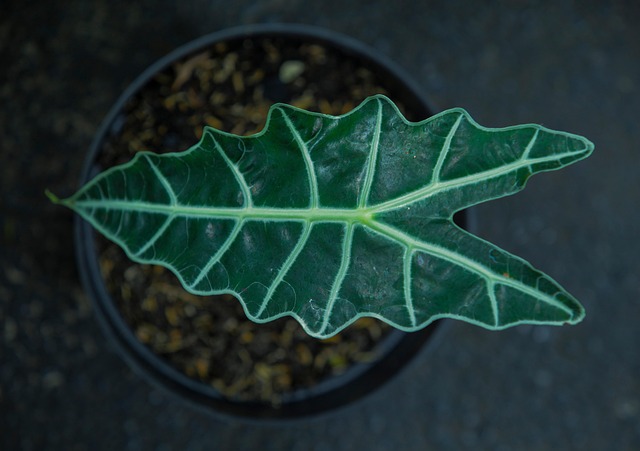
Alocasia micholitziana 'Frydek'
Evidence-based care guide for Alocasia Frydek (Alocasia micholitziana 'Frydek'). Covers symptom diagnosis, disease treatment and pest control. Our analysis draws from 11 verified community cases with an average confidence score of 79%. Each protocol is synthesized from real rescue outcomes, not generic advice.
Care Essentials
Get to Know Your Alocasia Frydek
The #1 killer? Overwatering. Let the soil dry between waterings and your Alocasia Frydek will thrive.
Light
medium to bright indirect
Tolerates lower light but grows best in medium to bright indirect light. Can get leggy without enough light.
💡 Grow lights: Thrives under artificial grow lights (LED or fluorescent, 10-12 hours/day). A great option if your space lacks natural light.
Watering
every 10-14 days
Let the soil dry out significantly between waterings — this plant is very sensitive to overwatering. When in doubt, wait another day.
Humidity & Temperature
Loves higher humidity (60%+). If your air is dry, group it with other plants, use a pebble tray, or run a humidifier nearby.
Standard room temperature (60-80°F / 15-27°C) is perfect. Avoid cold drafts and sudden temperature swings.
Soil
Needs well-draining soil — add perlite or orchid bark to a standard potting mix. Good drainage is critical to prevent root rot.
Care Requirements
At a Glance
Care Profile in Development
While our detailed care profile is being compiled, you can find specific care guidance in the 0 care-related diagnoses below — including watering schedules, light requirements, and propagation methods from real-world cases.
Start Here
Most Common Problems
Based on 11 analyzed cases — these are the issues you're most likely to encounter
Don't see your symptom? Search all 9 topics below, or run the Diagnostic.
Why does my Alocasia Frydek have spider mites?
Spider mite infestation on Alocasia Frydek is exacerbated by the plant's...
Why are my Alocasia Frydek leaves turning yellow?
Yellowing leaves on Alocasia Frydek (Alocasia micholitziana 'Frydek') primarily...
Why does my Alocasia Frydek have root rot?
Alocasia micholitziana 'Frydek' exhibits a paradoxical combination of traits:...
What disease does my Alocasia Frydek have?
Fungal leaf spot infection (likely Cercospora or similar pathogens) on Alocasia...
What are these brown spots on my Alocasia Frydek?
Brown spots on Frydek are usually fungal (Cercospora) from standing water on...
Which of the 7 Killers
is threatening your plants?
We analyzed 1,616 documented plant deaths to identify the 7 causes behind 78% of all losses. Answer 5 questions — we'll tell you exactly which ones apply to your setup.
Skip the quiz — get The 7 Killers course ($19) →Question 1 of 5
How do you decide when to water your plants?
Question 2 of 5
Where do most of your plants live?
Question 3 of 5
What's your home environment like?
Question 4 of 5
Have you lost a plant in the last 6 months?
Question 5 of 5
How often do you check your plants for pests?
Your diagnosis is ready
We've identified your top 2 risk killers. Enter your email to see the full breakdown and your personalized rescue protocol.
Your plants are most at risk from:
The 7 Killers mini-course covers every one of these in depth — mechanism, rescue protocol, prevention. 1,616 cases. 7 lessons. $19.
Get The 7 Killers — $19 →Get the Plant Mortality Checklist
The 7 killers behind 78% of houseplant deaths — and the exact fix for each. Free PDF based on 1,616 documented cases.
Your checklist is ready!
We also sent it to your inbox. Check your email for the full download.
Open the ChecklistFree. No spam. Unsubscribe anytime.
Verified Data
All Diagnoses
9 topics consolidated from 11 documented cases. Expand any topic to see all protocols.
Symptoms (4 topics · 5 cases)
What are these brown spots on my Alocasia Frydek?
Brown spots on Frydek are usually fungal (Cercospora) from standing water on leaves, spider mite stippling, or edema (burst cells from overwatering)
78%
What are these brown spots on my Alocasia Frydek?
Brown spots on Frydek are usually fungal (Cercospora) from standing water on leaves, spider mite stippling, or edema (burst cells from overwatering)
Cause
Brown spots on Frydek are usually fungal (Cercospora) from standing water on leaves, spider mite stippling, or edema (burst cells from overwatering). Phosphorus deficiency can also manifest as purplish or brown speckling.
Solutions
- Inspect leaf undersides for spider mites and treat with alcohol/soap if detected
- Apply a copper-based fungicide if spots have yellow halos and are spreading
- Improve ventilation with a fan to ensure leaves dry quickly after watering
- Switch to bottom-watering to prevent moisture from sitting on the velvet foliage
- Supplement with silica to strengthen cell walls against pathogens and pests
Prevention
Ensure 60-80% humidity without direct leaf misting. Maintain bright indirect light to support nutrient uptake. Use a sterile, chunky potting mix.
Why is my Alocasia Frydek wilting?
Drooping in Frydek is often due to light deficiency (needs bright indirect light to maintain turgor), heavy feeding needs (starvation causes limpness), or natural floppy growth in juvenile plants
69%
Why is my Alocasia Frydek wilting?
Drooping in Frydek is often due to light deficiency (needs bright indirect light to maintain turgor), heavy feeding needs (starvation causes limpness), or natural floppy growth in juvenile plants
Cause
Drooping in Frydek is often due to light deficiency (needs bright indirect light to maintain turgor), heavy feeding needs (starvation causes limpness), or natural floppy growth in juvenile plants. It can also be a sign of acclimation stress or root rot if soil is soggy.
Solutions
- Move to a brighter location (2000-5000 lux) or add a full-spectrum grow light
- Fertilize with 1/4 strength balanced liquid fertilizer at most waterings
- Check stem firmness; if firm but hanging, provide support or allow time to mature
- Ensure humidity is 60% or higher to maintain leaf turgor
- Verify roots are white and firm; repot in chunky aroid mix if rot is present
Prevention
Position within 1-2 meters of a bright window. Rotate weekly for even light. Use a chunky mix that allows roots to breathe. Maintain consistent warmth (above 18�C/65�F).
What disease does my Alocasia Frydek have?
Fungal leaf spot infection (likely Cercospora or similar pathogens) on Alocasia Frydek is triggered by prolonged leaf wetness from standing water or droplets
88%
What disease does my Alocasia Frydek have?
Fungal leaf spot infection (likely Cercospora or similar pathogens) on Alocasia Frydek is triggered by prolonged leaf wetness from standing water or droplets
Cause
Fungal leaf spot infection (likely Cercospora or similar pathogens) on Alocasia Frydek is triggered by prolonged leaf wetness from standing water or droplets. The velvety leaf texture retains moisture poorly in stagnant high-humidity indoor environments, creating ideal conditions for foliar fungal pathogens. This distinguishes from root issues like rot.
Solutions
- Isolate the plant immediately to prevent spread to other tropicals
- Apply a copper-based fungicide like Garden Safe or Captain Jack's Deadbug Brew, following label dilution and reapplication schedule (every 7-14 days)
- Gently wipe leaves dry with a soft cloth after any watering or humidity contact
- Improve air circulation with a small fan to speed leaf drying
- Switch to bottom-watering to prevent splashing foliage
- Remove severely affected leaves with sterile scissors to prevent further spread
Prevention
Optimize indoor environment with 60-80% humidity via pebble trays or humidifiers—avoid direct leaf misting. Ensure strong indirect light and airflow (small fan) to promote quick leaf drying. Use bottom-watering to keep foliage dry.
Why are my Alocasia Frydek leaves turning yellow?
Yellowing leaves on Alocasia Frydek (Alocasia micholitziana 'Frydek') primarily stems from low humidity (below 60%) causing transpiration stress, compounded by nutrient deficiency from insufficient fertilization
2 protocols
78–90%
Why are my Alocasia Frydek leaves turning yellow?
Yellowing leaves on Alocasia Frydek (Alocasia micholitziana 'Frydek') primarily stems from low humidity (below 60%) causing transpiration stress, compounded by nutrient deficiency from insufficient fertilization
Protocol 1: yellow leaves - humidity stress and nutrient deficiency · 90% confidence
Cause
Yellowing leaves on Alocasia Frydek (Alocasia micholitziana 'Frydek') primarily stems from low humidity (below 60%) causing transpiration stress, compounded by nutrient deficiency from insufficient fertilization. This heavy-feeding tropical aroid requires consistent nutrients to support its rapid growth. Variegated varieties show amplified symptoms due to reduced photosynthetic capacity in white areas.
Solutions
- Increase humidity immediately to 60-80% using a humidifier or pebble tray with daily misting
- Begin fertilizing with every watering: use 1/4 strength balanced liquid fertilizer (20-20-20 or aroid-specific formula)
- Inspect which leaves are yellowing—oldest leaves indicate natural senescence; newer or widespread yellowing confirms nutrient deficiency
- Ensure bright indirect light exposure (east-facing window or grow light 12-14 hours/day)
- Monitor for improvement over 2-4 weeks; new growth should emerge green and healthy
Prevention
Maintain 60-80% humidity year-round via pebble trays or humidifiers. Fertilize lightly with every watering during active growth (spring-fall) using 1/4 strength balanced NPK fertilizer. Ensure bright indirect light (2000-5000 lux) to support photosynthesis and nutrient uptake.
Protocol 2: yellow leaves · 78% confidence
Cause
Yellowing typically stems from root rot (overwatering), low humidity (<60%), acclimation/transplant shock, or nutrient deficiency. Heavy feeding habits and sensitivity to tap water (chloramine) also contribute to chlorosis.
Solutions
- Inspect roots for rot; trim mushy sections and treat with hydrogen peroxide
- Increase humidity to 60-80% using a humidifier or pebble tray
- Apply 1/4 strength balanced fertilizer with every watering during active growth
- Switch to distilled, rainwater, or RO water to avoid chloramine salt buildup
- Check undersides of leaves for spider mites and treat with insecticidal soap
Prevention
Use a chunky, well-draining aroid mix. Maintain consistent moisture (water when top 1-2 inches are dry) and high stable humidity. Provide bright indirect light (2000-5000 lux).
Diseases (1 topics · 1 cases)
Why does my Alocasia Frydek have root rot?
Alocasia micholitziana 'Frydek' exhibits a paradoxical combination of traits: it is both a heavy feeder requiring consistent nutrition and highly susceptible to root rot from overwatering
91%
Why does my Alocasia Frydek have root rot?
Alocasia micholitziana 'Frydek' exhibits a paradoxical combination of traits: it is both a heavy feeder requiring consistent nutrition and highly susceptible to root rot from overwatering
Cause
Alocasia micholitziana 'Frydek' exhibits a paradoxical combination of traits: it is both a heavy feeder requiring consistent nutrition and highly susceptible to root rot from overwatering. The plant's rapid growth rate and large velvety leaves demand regular fertilization, but its fleshy rhizome and fine root hairs are easily damaged by anaerobic conditions in waterlogged soil. Over-fertilization combined with poor drainage creates a toxic combination—excess salts damage roots while soggy soil promotes Pythium and Fusarium pathogens. This explains why Frydek is notorious among collectors for sudden decline despite seemingly attentive care.
Solutions
- Unpot and inspect: Gently remove plant, rinse roots, and trim ALL black, mushy, or foul-smelling roots with sterilized scissors
- Hydrogen peroxide treatment: Soak remaining healthy roots in 3% H2O2 solution (1:1 with water) for 15-20 minutes to sterilize
- Repot in chunky mix: Use well-draining aroid substrate (50% bark/perlite, 30% quality potting mix, 20% pumice) in appropriately sized pot
- Recovery watering: Keep soil lightly moist (not wet) using bottom-watering method for first 4-6 weeks
- Nutrient strategy: Resume fertilizing only after new growth appears—use diluted balanced fertilizer (1/4 strength) every 2-3 waterings during active growth
- Monitor root-to-shoot ratio: Frydek can only support 4-6 leaves per root system; yellowing oldest leaves during recovery is normal energy redirection
Prevention
Use only well-draining chunky aroid mix with minimum 50% drainage amendments; water only when top 2-3 inches are dry; fertilize lightly but consistently (every 2-3 waterings at 1/4 strength) during active growth; avoid oversized pots that retain excess moisture; ensure bright indirect light to drive transpiration and nutrient uptake; maintain 60-80% humidity to reduce water needs without leaf wetness.
Pests (1 topics · 2 cases)
Why does my Alocasia Frydek have spider mites?
Spider mite infestation on Alocasia Frydek is exacerbated by the plant's velvety leaf texture which traps dust and pest frass, and low humidity environments common indoors
2 protocols
88–91%
Why does my Alocasia Frydek have spider mites?
Spider mite infestation on Alocasia Frydek is exacerbated by the plant's velvety leaf texture which traps dust and pest frass, and low humidity environments common indoors
Protocol 1: spider mites on velvety leaves · 91% confidence
Cause
Spider mite infestation on Alocasia Frydek is exacerbated by the plant's velvety leaf texture which traps dust and pest frass, and low humidity environments common indoors. The velvety pubescence disguises early webbing and causes stippling damage (brown/white spots) that mimics fungal issues. Mites thrive in dry conditions below 50% humidity and spread rapidly from crowded nursery conditions.
Solutions
- Inspect undersides of leaves with 10x magnification for moving dots, fine webbing, or eggs—velvety leaves hide early infestations
- Isolate affected plant immediately to prevent spread to other Alocasias
- Flush leaves thoroughly with pressurized water (shower or hose) to dislodge mites, repeating every 3-5 days for 2 weeks
- Apply insecticidal soap, neem oil, or miticide after flushing, targeting leaf undersides; repeat weekly
- Boost humidity to 70%+ via enclosure misting or humidifier to create conditions unfavorable for mite reproduction
- Prune heavily damaged leaves to redirect plant energy
Prevention
Maintain 60-80% humidity via pebble trays or humidifiers—this creates an environment mites dislike. Quarantine all new plants for 2-4 weeks. Inspect undersides of velvety leaves weekly with 10x magnification. Group plants to create humidity microclimates.
Protocol 2: spider mite detection velvety · 88% confidence
Cause
Alocasia micholitziana 'Frydek' exhibits unique spider mite damage patterns due to its velvety leaf texture. Unlike glossy-leaved plants where mite stippling appears as textured surface damage, Frydek develops discrete brown spots, scattered dot patterns, and brown powdery residue on leaf undersides. The fine pubescence obscures early mite detection and webbing. Mite damage on Frydek often mimics fungal leaf spot disease, leading to misdiagnosis and delayed treatment. Low indoor humidity (<50%) combined with the velvety texture creates ideal microhabitats for rapid mite colonization.
Solutions
- Leaf inspection protocol: Use 10x magnification to examine leaf undersides weekly; look for tiny moving dots, fine silk webbing between leaf and stem, and brown powdery frass
- Tactile test: Run finger gently across suspected spots—mite stippling creates a rough texture distinct from fungal spots which feel smooth
- Early intervention: At first sign, rinse entire plant with lukewarm water, directing spray to undersides; wipe leaves with damp microfiber cloth
- Treatment cycle: Apply miticide (neem oil, insecticidal soap, or abamectin) weekly for 3 weeks minimum; ensure complete undersurface coverage
- Quarantine and monitor: Isolate treated plant for 4 weeks; inspect weekly; treat neighboring plants preventively
- Humidity management: Increase ambient humidity to 60-80% immediately—higher humidity reduces mite reproduction rates by 50% or more
Prevention
Maintain consistent 60-80% humidity using humidifiers or pebble trays; quarantine new acquisitions for 2-3 weeks with weekly inspections; avoid placement near heating/AC vents; apply preventive neem oil monthly during winter heating season when indoor humidity drops; ensure adequate air circulation without direct drafts.
Growth & Structure (1 topics · 1 cases)
Why is my Alocasia Frydek becoming etiolated?
Etiolation (leggy growth) occurs when light intensity is too low (below 1500 lux)
65%
Why is my Alocasia Frydek becoming etiolated?
Etiolation (leggy growth) occurs when light intensity is too low (below 1500 lux)
Cause
Etiolation (leggy growth) occurs when light intensity is too low (below 1500 lux). The petioles stretch excessively towards the light source, becoming thin and incapable of supporting the heavy velvet leaves.
Solutions
- Move the plant closer to a bright window or add a full-spectrum grow light (12-14 hours/day)
- Rotate the pot 90 degrees every week to ensure even growth and prevent severe leaning
- Stake large, floppy leaves with bamboo poles or plant ties until stems strengthen
- Supplement with silica to increase the structural integrity of the petiole cell walls
- Avoid over-fertilizing with nitrogen, which can promote rapid, weak growth
Prevention
Ensure the plant receives at least 2000-4000 lux of bright indirect light. Avoid placing in dark corners or far from light sources. Measure light levels using a phone app.
Other Topics (2 topics · 2 cases)
Why are my Alocasia Frydek leaves curling?
Downward curling is often a defense mechanism against low humidity (<50%) or underwatering (desiccation)
65%
Why are my Alocasia Frydek leaves curling?
Downward curling is often a defense mechanism against low humidity (<50%) or underwatering (desiccation)
Cause
Downward curling is often a defense mechanism against low humidity (<50%) or underwatering (desiccation). However, floppy curling can signal overwatering or root stress. In variegated cultivars, slight curling is common due to uneven growth rates between tissue types.
Solutions
- Diagnose by texture: Papery leaves need more humidity/water; mushy leaves need a dry-out and root check
- Increase humidity to 60-80% using a humidifier or grouped plants
- Verify substrate aeration; if soil is moss-heavy, repot into a chunky 50% perlite/bark aroid mix
- Isolate immediately if curling is accompanied by systemic yellow mottling (suspected mosaic virus)
- Provide bright indirect light (2000-5000 lux) to support healthy cell expansion
Prevention
Maintain stable high humidity and consistent soil moisture. Use inorganic amendments (pumice, perlite) in the mix to prevent compaction. Monitor for thrips which can cause new leaves to unfurl curled.
Alocasia Frydek: No New Growth
Frydeks may stop growing due to seasonal dormancy (triggered by cold/low light), root rot (energy diverted to survival), or nutrient starvation
68%
Alocasia Frydek: No New Growth
Frydeks may stop growing due to seasonal dormancy (triggered by cold/low light), root rot (energy diverted to survival), or nutrient starvation
Cause
Frydeks may stop growing due to seasonal dormancy (triggered by cold/low light), root rot (energy diverted to survival), or nutrient starvation. Being heavy feeders, they require consistent fertilization to push out new spears.
Solutions
- Check corm firmness; a mushy base indicates rot, while a firm one suggests dormancy or starvation
- If in growing season, apply 1/4 strength balanced fertilizer with every watering to stimulate new growth
- Verify light levels; growth typically stalls below 1500 lux. Add a grow light if needed
- Inspect for rootbound conditions; Frydeks prefer being slightly snug but need fresh nutrients every 1-2 years
- Maintain consistent warmth (above 18�C) to prevent the plant from entering deep winter dormancy
Prevention
Establish a consistent feeding routine during spring and summer. Use a heat mat in winter if indoor temps drop below 15�C. Monitor light levels seasonally.
Common Questions
Frequently Asked Questions
Why does my alocasia frydek have Spider mites on velvety leaves?
Cause: Spider mite infestation on Alocasia Frydek is exacerbated by the plant's velvety leaf texture which traps dust and pest frass, and low humidity environments common indoors. The velvety pubescence disguises early webbing and causes stippling damage (brown/white spots) that mimics fungal issues. Mites thrive in dry conditions below 50% humidity and spread rapidly from crowded nursery conditions.
Solution: Inspect undersides of leaves with 10x magnification for moving dots, fine webbing, or eggs—velvety leaves hide early infestations
Prevention: Maintain 60-80% humidity via pebble trays or humidifiers—this creates an environment mites dislike. Quarantine all new plants for 2-4 weeks. Inspect undersides of velvety leaves weekly with 10x magnification. Group plants to create humidity microclimates.
91% confidence · View full protocol →
Why does my alocasia frydek have Yellow leaves - humidity stress and nutrient deficiency?
Cause: Yellowing leaves on Alocasia Frydek (Alocasia micholitziana 'Frydek') primarily stems from low humidity (below 60%) causing transpiration stress, compounded by nutrient deficiency from insufficient fertilization. This heavy-feeding tropical aroid requires consistent nutrients to support its rapid growth. Variegated varieties show amplified symptoms due to reduced photosynthetic capacity in white areas.
Solution: Increase humidity immediately to 60-80% using a humidifier or pebble tray with daily misting
Prevention: Maintain 60-80% humidity year-round via pebble trays or humidifiers. Fertilize lightly with every watering during active growth (spring-fall) using 1/4 strength balanced NPK fertilizer. Ensure bright indirect light (2000-5000 lux) to support photosynthesis and nutrient uptake.
90% confidence · View full protocol →
Why does my alocasia frydek have Root rot heavy feeders?
Cause: Alocasia micholitziana 'Frydek' exhibits a paradoxical combination of traits: it is both a heavy feeder requiring consistent nutrition and highly susceptible to root rot from overwatering. The plant's rapid growth rate and large velvety leaves demand regular fertilization, but its fleshy rhizome and fine root hairs are easily damaged by anaerobic conditions in waterlogged soil. Over-fertilization combined with poor drainage creates a toxic combination—excess salts damage roots while soggy soil promotes Pythium and Fusarium pathogens. This explains why Frydek is notorious among collectors for sudden decline despite seemingly attentive care.
Solution: Unpot and inspect: Gently remove plant, rinse roots, and trim ALL black, mushy, or foul-smelling roots with sterilized scissors
Prevention: Use only well-draining chunky aroid mix with minimum 50% drainage amendments; water only when top 2-3 inches are dry; fertilize lightly but consistently (every 2-3 waterings at 1/4 strength) during active growth; avoid oversized pots that retain excess moisture; ensure bright indirect light to drive transpiration and nutrient uptake; maintain 60-80% humidity to reduce water needs without leaf wetness.
91% confidence · View full protocol →
Why does my alocasia frydek have Fungal leaf spot?
Cause: Fungal leaf spot infection (likely Cercospora or similar pathogens) on Alocasia Frydek is triggered by prolonged leaf wetness from standing water or droplets. The velvety leaf texture retains moisture poorly in stagnant high-humidity indoor environments, creating ideal conditions for foliar fungal pathogens. This distinguishes from root issues like rot.
Solution: Isolate the plant immediately to prevent spread to other tropicals
Prevention: Optimize indoor environment with 60-80% humidity via pebble trays or humidifiers—avoid direct leaf misting. Ensure strong indirect light and airflow (small fan) to promote quick leaf drying. Use bottom-watering to keep foliage dry.
88% confidence · View full protocol →
Why does my alocasia frydek have Brown spots?
Cause: Brown spots on Frydek are usually fungal (Cercospora) from standing water on leaves, spider mite stippling, or edema (burst cells from overwatering). Phosphorus deficiency can also manifest as purplish or brown speckling.
Solution: Inspect leaf undersides for spider mites and treat with alcohol/soap if detected
Prevention: Ensure 60-80% humidity without direct leaf misting. Maintain bright indirect light to support nutrient uptake. Use a sterile, chunky potting mix.
78% confidence · View full protocol →
Common Questions
Frequently Asked About Alocasia Frydek
What problems can Alocasia Frydek get?
Our database contains 11 documented Alocasia Frydek cases covering 9 distinct topics, including diseases, pest identification, environmental stress, propagation, and advanced care protocols — each with verified solutions.
Structured Learning
Ready to Go Deeper?
Explore our Mastery Packs for structured, video-based learning with step-by-step protocols from 20,000+ analyzed plant cases.
Browse All Courses →