Root Rot on alocasia
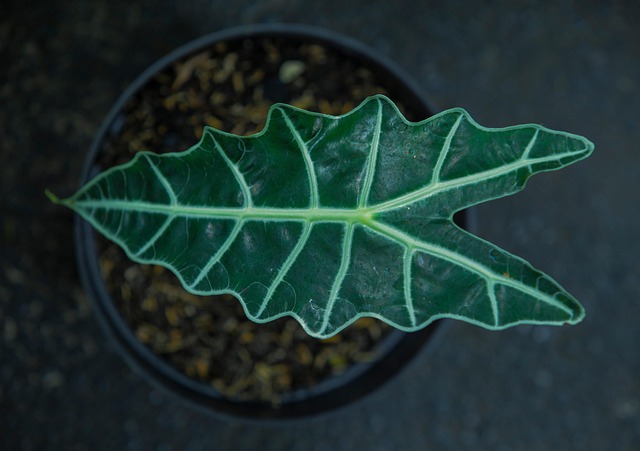
What's Happening
Alocasia corms (bulbous storage organs) can survive extreme root loss and regenerate through adventitious root formation, unlike fibrous-rooted plants. When root rot occurs, the corm stores sufficient carbohydrates and meristematic tissue to initiate new root primordia within 2-4 weeks under optimal conditions. This 'zombie' regeneration capability explains why Alocasias recover from 90% root loss that would kill other houseplants.
How to Fix It
- 1
Remove all soil and gently rinse corm under lukewarm water to assess damage
- 2
Trim any soft, mushy, or foul-smelling corm tissue with sterile scissors until only firm, white/pale tissue remains
- 3
Apply cinnamon powder or diluted hydrogen peroxide (3% at 1:1 with water) to cut surfaces to prevent reinfection
- 4
Place corm in moist perlite filled 2/3 up in clear container, or water propagate with tip above waterline
- 5
Maintain 70-85°F temperature, 70-90% humidity, and bright indirect light; expect new white root tips in 2-4 weeks
- 6
Repot in aroid mix only when roots reach 1-2 inches long, keeping corm partially exposed at soil surface
How to Prevent It
Maintain corm health by using chunky, well-draining aroid mix (40% bark, 30% perlite, 30% potting soil); water only when top 2 inches dry; ensure bright indirect light to support corm metabolism; inspect corms monthly by gently unpotting to check for firmness (healthy corms feel like firm potatoes).