Root Rot Hydrogen Peroxide on begonia
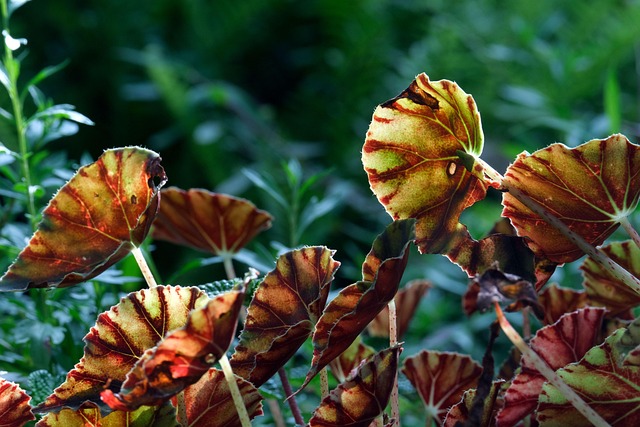
What's Happening
Advanced begonia root rot occurs when anaerobic bacteria and oomycetes (Pythium spp.) have colonized beyond root hairs into the central vascular tissue. The fibrous root architecture offers limited reserves for recovery once infection penetrates deeply. Hydrogen peroxide (H2O2) provides immediate oxygenation to suffocating tissue while oxidizing pathogen cell membranes, creating a window for root regeneration before secondary fungal infection establishes.
How to Fix It
- 1
Complete soil removal: Unpot and rinse ALL soil from roots using gentle lukewarm water stream; inspect entire root system under good light
- 2
Aggressive pruning: Sterilize scissors with 70% alcohol; remove ALL discolored, mushy, or foul-smelling roots plus 1 inch into apparently healthy tissue
- 3
H2O2 treatment preparation: Mix 3% hydrogen peroxide with distilled water 1:1 ratio in container large enough to submerge entire root system
- 4
Oxygenation soak: Submerge roots for 20 minutes; gently agitate to ensure solution reaches all tissue; solution will fizz as it oxidizes pathogens
- 5
Post-treatment care: Lay plant on dry paper towel in shade for 48 hours allowing cut surfaces to callus and seal
- 6
Repotting in sterile mix: Use completely fresh soil (50% peat, 30% perlite, 20% bark); ensure pot has excellent drainage; water only after 7 days
- 7
Recovery monitoring: New white root tips visible at 3-4 weeks indicate success; yellowing leaves normal during recovery; remove if completely desiccated
How to Prevent It
Post-recovery: Switch to terracotta pots for moisture wicking; extend watering intervals to 10-14 days minimum; aerate soil with chopstick before each watering; never allow standing water in drainage saucer