Low-Humidity-Damage on boston fern
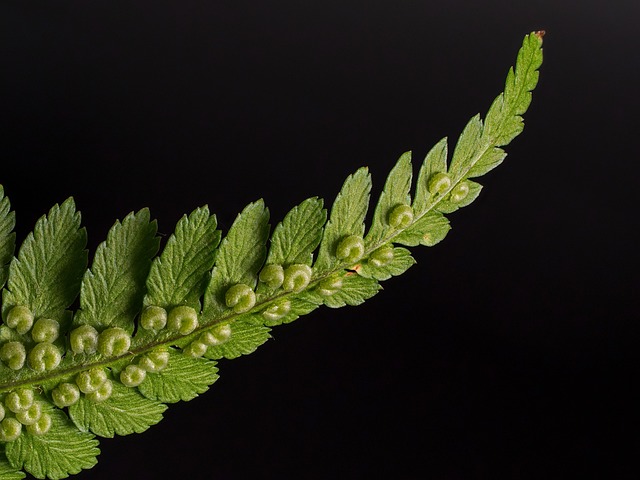
What's Happening
Dry indoor air below 40% relative humidity causes fern fronds to brown and dry at the edges due to excessive transpiration from delicate leaf tissue. Ferns naturally grow in moist, shaded forest environments where humidity remains above 60%.
How to Fix It
- 1
Place fern pots on saucers filled with wet pebbles or clay granules to create evaporative humidity around the plant
- 2
Mist fern fronds regularly with tepid, lime-free water, especially during warm periods when air conditioning or heating reduces ambient moisture
- 3
Group ferns together to create a microclimate of shared transpiration humidity
- 4
Position ferns away from direct heat sources, radiators, and air vents that accelerate moisture loss
- 5
Use a room humidifier to maintain 50-60% relative humidity in the growing area
How to Prevent It
Maintain humidity above 50% year-round by using pebble trays or room humidifiers; never allow ferns to sit in drafty or consistently dry air.