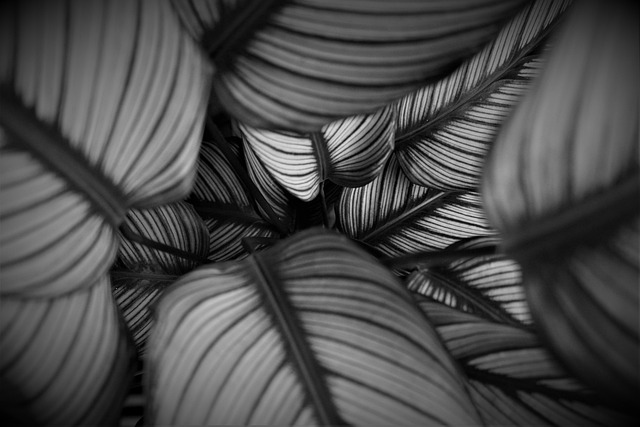
calathea orbifolia
Goeppertia orbifolia
Evidence-based care guide for Calathea Orbifolia (Goeppertia orbifolia). Covers symptom diagnosis, disease treatment and lighting. Our analysis draws from 10 verified community cases with an average confidence score of 89%. Each protocol is synthesized from real rescue outcomes, not generic advice.
Care Essentials
Get to Know Your Calathea Orbifolia
Watch the humidity — a little extra moisture in the air goes a long way with this plant.
Light
medium to bright indirect
Tolerates lower light but grows best in medium to bright indirect light. Can get leggy without enough light.
💡 Grow lights: Thrives under artificial grow lights (LED or fluorescent, 10-12 hours/day). A great option if your space lacks natural light.
Watering
every 7-10 days
Water when the top 1-2 inches of soil feel dry. Adjust with the seasons — less in winter, more in summer.
Humidity & Temperature
Loves higher humidity (60%+). If your air is dry, group it with other plants, use a pebble tray, or run a humidifier nearby.
Standard room temperature (60-80°F / 15-27°C) is perfect. Avoid cold drafts and sudden temperature swings.
Soil
Needs well-draining soil — add perlite or orchid bark to a standard potting mix. Good drainage is critical to prevent root rot.
Care Requirements
At a Glance
Care Profile in Development
While our detailed care profile is being compiled, you can find specific care guidance in the 2 care-related diagnoses below — including watering schedules, light requirements, and propagation methods from real-world cases.
Start Here
Most Common Problems
Based on 10 analyzed cases — these are the issues you're most likely to encounter
Don't see your symptom? Search all 9 topics below, or run the Diagnostic.
Does my Calathea Orbifolia need more humidity?
Calathea orbifolia requires 60-80% relative humidity (RH) for optimal...
Care Guide: Calathea Orbifolia Guide
Calathea Orbifolia exhibits extreme sensitivity to water chemistry due to its...
Why do my Calathea Orbifolia leaves have brown tips?
Calathea orbifolia leaves exhibit edge browning primarily due to water quality...
How much light does my Calathea Orbifolia need?
Calathea Orbifolia thrives as an understory plant in its native Bolivian...
Calathea Orbifolia: Common Problems
Calathea Orbifolia develops shallow, fine fibrous root systems adapted to...
Which of the 7 Killers
is threatening your plants?
We analyzed 1,616 documented plant deaths to identify the 7 causes behind 78% of all losses. Answer 5 questions — we'll tell you exactly which ones apply to your setup.
Skip the quiz — get The 7 Killers course ($19) →Question 1 of 5
How do you decide when to water your plants?
Question 2 of 5
Where do most of your plants live?
Question 3 of 5
What's your home environment like?
Question 4 of 5
Have you lost a plant in the last 6 months?
Question 5 of 5
How often do you check your plants for pests?
Your diagnosis is ready
We've identified your top 2 risk killers. Enter your email to see the full breakdown and your personalized rescue protocol.
Your plants are most at risk from:
The 7 Killers mini-course covers every one of these in depth — mechanism, rescue protocol, prevention. 1,616 cases. 7 lessons. $19.
Get The 7 Killers — $19 →Get the Plant Mortality Checklist
The 7 killers behind 78% of houseplant deaths — and the exact fix for each. Free PDF based on 1,616 documented cases.
Your checklist is ready!
We also sent it to your inbox. Check your email for the full download.
Open the ChecklistFree. No spam. Unsubscribe anytime.
Verified Data
All Diagnoses
9 topics consolidated from 10 documented cases. Expand any topic to see all protocols.
Symptoms (2 topics · 2 cases)
Why do my Calathea Orbifolia leaves have brown tips?
Calathea orbifolia leaves exhibit edge browning primarily due to water quality sensitivity rather than low humidity alone
91%
Why do my Calathea Orbifolia leaves have brown tips?
Calathea orbifolia leaves exhibit edge browning primarily due to water quality sensitivity rather than low humidity alone
Cause
Calathea orbifolia leaves exhibit edge browning primarily due to water quality sensitivity rather than low humidity alone. The plant's epidermal cells accumulate fluoride, chlorine, and mineral salts from tap water, disrupting cellular osmotic balance and causing localized necrosis at leaf margins. Even filtered tap water (Brita-style) often retains fluoride and dissolved solids that trigger tip burn. The nyctinastic movement (prayer folding) is suppressed during water stress but returns once water quality improves.
Solutions
- Switch to distilled, rainwater, or aquarium water immediately—filtered tap water retains fluoride and salts that cause tip burn
- Flush soil thoroughly: Pour distilled water through until runoff is clear to remove accumulated mineral buildup
- Trim affected brown tips with sterile scissors, cutting at 45-degree angle just above the healthy green tissue
- Monitor water source with TDS meter; keep total dissolved solids below 50ppm for Calathea species
- Resume watering only when top 1-2 inches of soil are dry, using the purified water source exclusively
Prevention
Use only distilled, rainwater, reverse osmosis (RO), or aquarium water (dechlorinated) for all watering. Avoid filtered municipal water. Flush soil quarterly with distilled water to leach accumulated salts. Maintain soil pH between 6.0-6.5 to optimize nutrient uptake and minimize salt precipitation.
Why are my Calathea Orbifolia leaves turning yellow?
Calathea orbifolia yellowing presents two distinct etiologies that require differential diagnosis
88%
Why are my Calathea Orbifolia leaves turning yellow?
Calathea orbifolia yellowing presents two distinct etiologies that require differential diagnosis
Cause
Calathea orbifolia yellowing presents two distinct etiologies that require differential diagnosis. NATURAL SENESCENCE: The oldest, smallest basal leaves yellow over 2-4 weeks as the plant redirects metabolic resources to new growth—this is healthy and expected. PATHOLOGICAL YELLOWING: Multiple leaves yellow rapidly (within days), often accompanied by soft texture, fungus gnats, and wilting, indicating root rot from anaerobic soil conditions. Key diagnostic differentiator: Natural senescence affects only the single oldest leaf at the base; pathological yellowing affects multiple leaves simultaneously and includes additional stress signals.
Solutions
- Inspect the pattern: Single oldest basal leaf = natural senescence; multiple leaves with wilting = overwatering/root rot
- Check soil moisture: If wet below surface despite 7+ days since watering, suspect overwatering
- Look for fungus gnats: Flying adults around pot confirm soggy anaerobic soil conditions
- For natural senescence: Allow leaf to fully yellow, then snip at base with sterile scissors
- For pathological yellowing: Unpot immediately, inspect roots for black/mushy tissue, trim affected sections, repot in dry fresh mix
- Increase humidity to 70-80% during recovery to support stressed root metabolism
Prevention
Use finger test: Water only when top 2 inches of soil are completely dry. Ensure pot has adequate drainage holes; avoid automated watering systems. Maintain 60-80% humidity to reduce transpiration stress and water demand. Repot annually in fresh well-draining mix to prevent soil compaction and anaerobic pockets.
Diseases (1 topics · 1 cases)
Why does my Calathea Orbifolia have root rot?
Calathea orbifolia root rot develops when the fine, fibrous root system remains in waterlogged, anaerobic soil for 5-7+ days
86%
Why does my Calathea Orbifolia have root rot?
Calathea orbifolia root rot develops when the fine, fibrous root system remains in waterlogged, anaerobic soil for 5-7+ days
Cause
Calathea orbifolia root rot develops when the fine, fibrous root system remains in waterlogged, anaerobic soil for 5-7+ days. Unlike drought-tolerant plants, Calatheas lack water storage tissues and require consistent moisture—but not saturation. When soil remains saturated below the surface, oxygen levels drop below 2mg/L, triggering anaerobic bacterial proliferation (Pythium, Phytophthora) that breaks down root cortex cells. Early warning signs include subtle yellowing of newest leaves first (indicating vascular uptake failure), softening leaf texture, and fungus gnat presence.
Solutions
- Unpot immediately: Gently remove plant from soil, shake off medium, rinse roots in lukewarm water
- Inspect and trim: Cut away all black, mushy, or foul-smelling roots with sterilized scissors until only white/firm tissue remains
- Sterilize remaining roots: Soak in 3% hydrogen peroxide solution (1:1 with water) for 15 minutes to oxygenate and kill pathogens
- Allow callus formation: Lay plant on dry paper towel in shade for 48 hours to seal cut wounds
- Repot in fresh dry mix: Use new well-draining aroid mix; do not water for 5-7 days post-repot
- Resume minimal watering: After 1 week, water sparingly until new growth indicates recovery (typically 3-5 weeks)
Prevention
Use well-draining aroid mix: 40% peat/coco coir, 30% perlite, 20% orchid bark, 10% charcoal. Ensure pot has 4-6 drainage holes minimum. Water only when top 2 inches of soil are dry to touch—use finger test or moisture meter. Elevate pot on feet to allow drainage and airflow beneath. Avoid decorative cache pots that trap water.
Environment (1 topics · 2 cases)
Does my Calathea Orbifolia need more humidity?
Calathea orbifolia requires 60-80% relative humidity (RH) for optimal physiological function, significantly higher than typical indoor environments (30-40%)
2 protocols
88–90%
Does my Calathea Orbifolia need more humidity?
Calathea orbifolia requires 60-80% relative humidity (RH) for optimal physiological function, significantly higher than typical indoor environments (30-40%)
Protocol 1: humidity · 90% confidence
Cause
Calathea orbifolia requires 60-80% relative humidity (RH) for optimal physiological function, significantly higher than typical indoor environments (30-40%). The plant's large, thin leaves adapted to Brazilian rainforest understory have high stomatal density and rapid transpiration rates. When humidity drops below 50%, stomata close to prevent desiccation, halting photosynthesis and triggering stress responses including edge browning, curling, and stunted growth. Water quality issues (fluoride/chlorine) can mask humidity deficiencies by causing similar tip burn symptoms.
Solutions
- Run humidifier 8-12 hours daily: Target 60-80% RH; use humidistat-controlled unit for automation
- Create plant grouping cluster: Place 3+ tropical plants within 18-inch radius to multiply transpiration humidity
- Use pebble tray method: Fill tray with pebbles and water; place pot on top (not in water) for evaporative humidity
- Mist strategically: Daily misting provides temporary 15-20% humidity boost; focus on early morning when stomata open
- Monitor with hygrometer: Digital display enables precise tracking; place sensor at plant canopy height
- Avoid misting if air circulation poor: Stagnant moisture promotes bacterial leaf spot—add small fan for airflow
Prevention
Install digital hygrometer near plant to monitor ambient humidity continuously. Use ultrasonic cool-mist humidifier running 8-12 hours daily to maintain 60%+ RH. Group tropical plants within 18 inches to create humidity microclimate via collective transpiration. Position away from heating vents, radiators, and air conditioning units that dehumidify air. Use pebble trays as supplementary humidity boost (not primary solution).
Protocol 2: humidity requirements · 88% confidence
Cause
Calathea Orbifolia (Goeppertia orbifolia) evolved in Bolivian tropical understories where ambient humidity remains 70-90% year-round. The plant's large, thin leaves with high stomatal density transpire rapidly in dry air, causing cellular dehydration within 24-48 hours. Unlike succulent plants that store water, Calatheas lack water retention adaptations and depend entirely on environmental humidity to maintain turgor pressure in leaf cells. When humidity drops below 50%, leaf margins lose moisture faster than the vascular system can replenish, resulting in crispy, brown edges that cannot be reversed.
Solutions
- Install humidifier within 3 feet of plant set to maintain 60-80% humidity continuously; target 70% for optimal growth
- Group with other tropical plants to create humidity microclimate through collective transpiration
- Use pebble trays filled with water placed beneath pots—evaporation increases localized humidity by 10-15%
- Mist foliage ONLY if using distilled water and providing air circulation to prevent fungal issues; tap water misting causes mineral deposits
Prevention
Maintain humidity above 60% year-round using automated humidistat-controlled humidifiers. Avoid placement near heating vents, air conditioners, or drafty windows where humidity fluctuates. Monitor with digital hygrometer placed at plant level.
Care Methods (1 topics · 1 cases)
Care Guide: Calathea Orbifolia Guide
Calathea Orbifolia exhibits extreme sensitivity to water chemistry due to its evolution in rainforest environments with pure precipitation
91%
Care Guide: Calathea Orbifolia Guide
Calathea Orbifolia exhibits extreme sensitivity to water chemistry due to its evolution in rainforest environments with pure precipitation
Cause
Calathea Orbifolia exhibits extreme sensitivity to water chemistry due to its evolution in rainforest environments with pure precipitation. Tap water contains fluoride, chlorine, and dissolved mineral salts (calcium, magnesium) that accumulate in leaf tissue, causing cellular toxicity and marginal necrosis. The plant's fibrous root system lacks the filtering capacity to exclude these compounds, leading to salt buildup in leaf margins that manifests as brown, crispy edges. This sensitivity often overrides other care factors—even perfect humidity and light cannot compensate for poor water quality.
Solutions
- Switch to distilled, filtered, or rainwater exclusively for all watering; never use tap water
- If tap water is the only option: let it sit uncovered for 24 hours to allow chlorine to evaporate, then filter through activated carbon
- Water thoroughly until excess drains from bottom, then discard drainage to prevent salt reabsorption
- Flush soil monthly by watering 3-4 times pot volume to leach accumulated mineral salts
Prevention
Use only purified water sources year-round. Install reverse osmosis system or collect rainwater for plant care. Test water with TDS meter—keep total dissolved solids below 50 ppm for optimal results.
Other Topics (4 topics · 4 cases)
Calathea Orbifolia: Common Problems
Calathea Orbifolia develops shallow, fine fibrous root systems adapted to rapidly draining forest floor leaf litter
89%
Calathea Orbifolia: Common Problems
Calathea Orbifolia develops shallow, fine fibrous root systems adapted to rapidly draining forest floor leaf litter
Cause
Calathea Orbifolia develops shallow, fine fibrous root systems adapted to rapidly draining forest floor leaf litter. When placed in oversized pots, the root mass cannot absorb moisture from the excess soil volume, creating chronically saturated conditions that promote anaerobic bacterial growth and root rot. The plant's reduced root-to-soil ratio mimics overwatering symptoms—yellowing, drooping, and stunted growth—even when watering frequency is appropriate. This is particularly common with nursery plants sold in decorative pots too large for their root development.
Solutions
- Select pots with diameter 1-2 inches smaller than foliage spread to match root absorption capacity
- Use shallow containers—Calathea roots spread horizontally rather than deeply
- Repot only when roots visibly circle pot bottom or emerge from drainage holes
- When repotting, increase pot size by maximum 1 inch diameter to prevent soil excess
- Use extremely well-draining aroid mix: 40% peat or coco coir, 30% perlite, 20% orchid bark, 10% charcoal
Prevention
Match pot size to root ball at every stage. Choose containers where roots fill 70-80% of soil volume. Avoid decorative cache pots without drainage. Monitor soil moisture 3 inches deep—water only when dry at this depth.
Why are my Calathea Orbifolia leaves curling?
Calathea orbifolia leaf curling (epinasty) is primarily a thigmonastic defensive response triggered by low atmospheric humidity below 50%
89%
Why are my Calathea Orbifolia leaves curling?
Calathea orbifolia leaf curling (epinasty) is primarily a thigmonastic defensive response triggered by low atmospheric humidity below 50%
Cause
Calathea orbifolia leaf curling (epinasty) is primarily a thigmonastic defensive response triggered by low atmospheric humidity below 50%. The plant's native Brazilian understory habitat maintains 70-90% RH year-round; indoor environments (especially heated winter air) drop to 20-30%, causing rapid transpiration stress. The leaf edges curl inward to reduce surface area and conserve moisture. Secondary curling factors include inconsistent watering leading to dry soil pockets and sensitivity to cold water shock (temperature below 18°C/65°F causes vascular constriction and edge curling).
Solutions
- Increase humidity immediately: Run humidifier 24/7 or place pot on pebble tray with water below pot level
- Switch to bottom-watering: Place pot in water bowl for 30 minutes, allowing soil to absorb moisture evenly from below
- Check water temperature: Ensure water is room temperature (20-24°C) before watering—cold water causes vascular shock
- Group plants together: Create microclimate humidity zone by clustering tropical plants within 12 inches of each other
- Monitor with hygrometer: Maintain 60%+ relative humidity; add humidifier if readings drop below 50%
- Trim severely curled leaves if they fail to unfurl after 2 weeks of humidity correction
Prevention
Maintain humidity at 60-80% using humidifier, pebble tray, or plant grouping. Position away from heating vents, radiators, and drafty windows. Use room-temperature water (20-24°C) exclusively—never cold tap water. Water via bottom-soaking method to ensure even soil saturation without surface drying.
How much light does my Calathea Orbifolia need?
Calathea Orbifolia thrives as an understory plant in its native Bolivian forests, receiving filtered light through canopy gaps
90%
How much light does my Calathea Orbifolia need?
Calathea Orbifolia thrives as an understory plant in its native Bolivian forests, receiving filtered light through canopy gaps
Cause
Calathea Orbifolia thrives as an understory plant in its native Bolivian forests, receiving filtered light through canopy gaps. Scientific studies (PMID 29494547) confirm Calathea species have low light saturation points (600 μmol photons·m⁻²·s⁻¹ PPFD) with photosynthetic rates declining at higher intensities. However, insufficient light (below 100 μmol·m⁻²·s⁻¹) triggers etiolation—leggy growth with small, pale leaves and loss of striking silver-striped variegation. The paradox: this shade plant requires brighter light than typically assumed to maintain its characteristic leaf patterns and compact form.
Solutions
- Position 3-5 feet from east-facing windows for optimal morning light without afternoon intensity
- Use sheer curtains on south/west windows to filter direct sun and reduce intensity by 50-70%
- Supplement with full-spectrum LED grow lights (2000-4000 lux) during winter months when natural light drops below 1000 lux
- Monitor for light stress: brown crispy spots indicate too much direct sun; leggy growth with small leaves indicates insufficient light
Prevention
Acclimate new plants to light over 7-10 days gradually. Rotate plant monthly for even exposure. Use light meter app to maintain 1500-3000 lux consistently. Avoid sudden light changes that trigger leaf drop.
Calathea Orbifolia: Prayer Movement
Calathea orbifolia's nyctinastic (prayer) movement is a circadian rhythm-driven process controlled by pulvini—specialized motor organs at the leaf base
87%
Calathea Orbifolia: Prayer Movement
Calathea orbifolia's nyctinastic (prayer) movement is a circadian rhythm-driven process controlled by pulvini—specialized motor organs at the leaf base
Cause
Calathea orbifolia's nyctinastic (prayer) movement is a circadian rhythm-driven process controlled by pulvini—specialized motor organs at the leaf base. During daylight, cells on the upper pulvinus side accumulate potassium ions, causing water influx and upward leaf positioning. At night, ion redistribution triggers water efflux and downward folding. Reduced or absent prayer movement indicates stress: insufficient light (PPFD below 100 μmol·m⁻²·s⁻¹) disrupts circadian signaling, while low humidity (<50%) suppresses the energy-intensive movement to conserve water. Newly acquired plants often show minimal movement during 2-4 week acclimation period.
Solutions
- Measure light intensity: Use PAR meter or smartphone app to verify 200-600 μmol·m⁻²·s⁻¹; supplement with LED grow light if below threshold
- Increase humidity to 60-80% via humidifier—low humidity forces plant to conserve energy, suppressing prayer movement
- Maintain consistent location for 4+ weeks—frequent moving disrupts circadian rhythm establishment
- Observe at correct times: Prayer folding occurs 30-60 minutes after sunset; unfurling begins 1-2 hours after sunrise
- Be patient with new plants: Transplant shock and acclimation suppress movement for 2-4 weeks; monitor rather than intervene
- If movement absent after 6+ weeks: Check for root health (prayer movement requires healthy vascular system)
Prevention
Provide bright indirect light at 200-600 μmol·m⁻²·s⁻¹ PPFD (measured with PAR meter) to maintain healthy circadian rhythms. Maintain humidity above 60% to support energy allocation to movement rather than stress responses. Allow 2-4 week acclimation period for new plants before expecting full prayer movement. Avoid relocating plant frequently as environmental changes disrupt nyctinastic timing.
Common Questions
Frequently Asked Questions
Why does my calathea orbifolia have Humidity?
Cause: Calathea orbifolia requires 60-80% relative humidity (RH) for optimal physiological function, significantly higher than typical indoor environments (30-40%). The plant's large, thin leaves adapted to Brazilian rainforest understory have high stomatal density and rapid transpiration rates. When humidity drops below 50%, stomata close to prevent desiccation, halting photosynthesis and triggering stress responses including edge browning, curling, and stunted growth. Water quality issues (fluoride/chlorine) can mask humidity deficiencies by causing similar tip burn symptoms.
Solution: Run humidifier 8-12 hours daily: Target 60-80% RH; use humidistat-controlled unit for automation
Prevention: Install digital hygrometer near plant to monitor ambient humidity continuously. Use ultrasonic cool-mist humidifier running 8-12 hours daily to maintain 60%+ RH. Group tropical plants within 18 inches to create humidity microclimate via collective transpiration. Position away from heating vents, radiators, and air conditioning units that dehumidify air. Use pebble trays as supplementary humidity boost (not primary solution).
90% confidence · View full protocol →
Why does my calathea orbifolia have Care guide?
Cause: Calathea Orbifolia exhibits extreme sensitivity to water chemistry due to its evolution in rainforest environments with pure precipitation. Tap water contains fluoride, chlorine, and dissolved mineral salts (calcium, magnesium) that accumulate in leaf tissue, causing cellular toxicity and marginal necrosis. The plant's fibrous root system lacks the filtering capacity to exclude these compounds, leading to salt buildup in leaf margins that manifests as brown, crispy edges. This sensitivity often overrides other care factors—even perfect humidity and light cannot compensate for poor water quality.
Solution: Switch to distilled, filtered, or rainwater exclusively for all watering; never use tap water
Prevention: Use only purified water sources year-round. Install reverse osmosis system or collect rainwater for plant care. Test water with TDS meter—keep total dissolved solids below 50 ppm for optimal results.
91% confidence · View full protocol →
Why does my calathea orbifolia have Brown tips?
Cause: Calathea orbifolia leaves exhibit edge browning primarily due to water quality sensitivity rather than low humidity alone. The plant's epidermal cells accumulate fluoride, chlorine, and mineral salts from tap water, disrupting cellular osmotic balance and causing localized necrosis at leaf margins. Even filtered tap water (Brita-style) often retains fluoride and dissolved solids that trigger tip burn. The nyctinastic movement (prayer folding) is suppressed during water stress but returns once water quality improves.
Solution: Switch to distilled, rainwater, or aquarium water immediately—filtered tap water retains fluoride and salts that cause tip burn
Prevention: Use only distilled, rainwater, reverse osmosis (RO), or aquarium water (dechlorinated) for all watering. Avoid filtered municipal water. Flush soil quarterly with distilled water to leach accumulated salts. Maintain soil pH between 6.0-6.5 to optimize nutrient uptake and minimize salt precipitation.
91% confidence · View full protocol →
Why does my calathea orbifolia have Light needs?
Cause: Calathea Orbifolia thrives as an understory plant in its native Bolivian forests, receiving filtered light through canopy gaps. Scientific studies (PMID 29494547) confirm Calathea species have low light saturation points (600 μmol photons·m⁻²·s⁻¹ PPFD) with photosynthetic rates declining at higher intensities. However, insufficient light (below 100 μmol·m⁻²·s⁻¹) triggers etiolation—leggy growth with small, pale leaves and loss of striking silver-striped variegation. The paradox: this shade plant requires brighter light than typically assumed to maintain its characteristic leaf patterns and compact form.
Solution: Position 3-5 feet from east-facing windows for optimal morning light without afternoon intensity
Prevention: Acclimate new plants to light over 7-10 days gradually. Rotate plant monthly for even exposure. Use light meter app to maintain 1500-3000 lux consistently. Avoid sudden light changes that trigger leaf drop.
90% confidence · View full protocol →
Why does my calathea orbifolia have Common problems?
Cause: Calathea Orbifolia develops shallow, fine fibrous root systems adapted to rapidly draining forest floor leaf litter. When placed in oversized pots, the root mass cannot absorb moisture from the excess soil volume, creating chronically saturated conditions that promote anaerobic bacterial growth and root rot. The plant's reduced root-to-soil ratio mimics overwatering symptoms—yellowing, drooping, and stunted growth—even when watering frequency is appropriate. This is particularly common with nursery plants sold in decorative pots too large for their root development.
Solution: Select pots with diameter 1-2 inches smaller than foliage spread to match root absorption capacity
Prevention: Match pot size to root ball at every stage. Choose containers where roots fill 70-80% of soil volume. Avoid decorative cache pots without drainage. Monitor soil moisture 3 inches deep—water only when dry at this depth.
89% confidence · View full protocol →
Common Questions
Frequently Asked About Calathea Orbifolia
What problems can Calathea Orbifolia get?
Our database contains 10 documented Calathea Orbifolia cases covering 9 distinct topics, including diseases, pest identification, environmental stress, propagation, and advanced care protocols — each with verified solutions.
Structured Learning
Ready to Go Deeper?
Explore our Mastery Packs for structured, video-based learning with step-by-step protocols from 20,000+ analyzed plant cases.
Browse All Courses →