
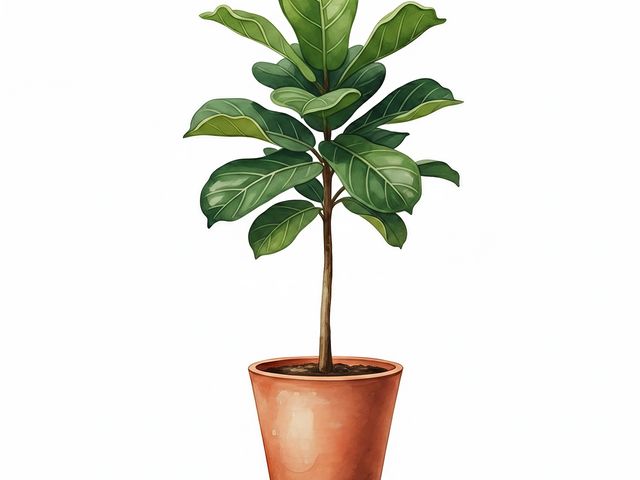
cast iron plant
Aspidistra elatior
Also known as: Aspidistra
Evidence-based care guide for Cast Iron Plant (Aspidistra elatior). Covers symptom diagnosis, pest control and care. Our analysis draws from 15 verified community cases with an average confidence score of 66%. Each protocol is synthesized from real rescue outcomes, not generic advice.
Care Essentials
Get to Know Your Cast Iron Plant
Light is everything for this plant. Get the placement right and everything else falls into place.
Light
bright indirect
Wants bright, indirect light — sensitive to both extremes. Too much direct sun causes burns, too little causes stretching.
💡 Grow lights: Thrives under artificial grow lights (LED or fluorescent, 10-12 hours/day). A great option if your space lacks natural light.
Watering
every 10-14 days
Let the soil dry out significantly between waterings — this plant is very sensitive to overwatering. When in doubt, wait another day.
Humidity & Temperature
Appreciates some humidity but adapts to average home conditions. Brown tips in winter? Your air might be too dry — a light misting helps.
Sensitive to cold — keep above 55°F (13°C). Avoid placing near drafty windows or exterior doors in winter.
Soil
Standard well-draining potting mix works well. Add perlite for extra drainage if you tend to overwater.
Care Requirements
At a Glance
Care Profile in Development
While our detailed care profile is being compiled, you can find specific care guidance in the 0 care-related diagnoses below — including watering schedules, light requirements, and propagation methods from real-world cases.
Start Here
Most Common Problems
Based on 15 analyzed cases — these are the issues you're most likely to encounter
Don't see your symptom? Search all 15 topics below, or run the Diagnostic.
Why does my Cast Iron Plant have spider mites?
Dry air and low humidity allow spider mites to thrive; stressed plants more...
Why does my Cast Iron Plant have scale insects?
Scale insects feed on plant sap; can spread from other plants or new purchases
Why are my Cast Iron Plant leaves turning yellow?
Overwatering leading to fungal infection or root rot. The soil retains moisture...
Cast Iron Plant: No New Growth
Insufficient light; rootbound conditions; poor soil; buried too deep
Why do my Cast Iron Plant leaves have brown tips?
Multiple causes: overwatering, soil too heavy/organic, cold drafts, sunburn, or...
Which of the 7 Killers
is threatening your plants?
We analyzed 1,616 documented plant deaths to identify the 7 causes behind 78% of all losses. Answer 5 questions — we'll tell you exactly which ones apply to your setup.
Skip the quiz — get The 7 Killers course ($19) →Question 1 of 5
How do you decide when to water your plants?
Question 2 of 5
Where do most of your plants live?
Question 3 of 5
What's your home environment like?
Question 4 of 5
Have you lost a plant in the last 6 months?
Question 5 of 5
How often do you check your plants for pests?
Your diagnosis is ready
We've identified your top 2 risk killers. Enter your email to see the full breakdown and your personalized rescue protocol.
Your plants are most at risk from:
The 7 Killers mini-course covers every one of these in depth — mechanism, rescue protocol, prevention. 1,616 cases. 7 lessons. $19.
Get The 7 Killers — $19 →Get the Plant Mortality Checklist
The 7 killers behind 78% of houseplant deaths — and the exact fix for each. Free PDF based on 1,616 documented cases.
Your checklist is ready!
We also sent it to your inbox. Check your email for the full download.
Open the ChecklistFree. No spam. Unsubscribe anytime.
Verified Data
All Diagnoses
15 topics consolidated from 15 documented cases. Expand any topic to see all protocols.
Symptoms (3 topics · 3 cases)
Why do my Cast Iron Plant leaves have brown tips?
Multiple causes: overwatering, soil too heavy/organic, cold drafts, sunburn, or low humidity
84%
Why do my Cast Iron Plant leaves have brown tips?
Multiple causes: overwatering, soil too heavy/organic, cold drafts, sunburn, or low humidity
Cause
Multiple causes: overwatering, soil too heavy/organic, cold drafts, sunburn, or low humidity
Solutions
- Check soil composition - add perlite for better drainage
- Move away from cold windows/drafts
- Avoid direct sunlight which can scorch leaves
- Water with distilled water if mineral buildup suspected
- Trim damaged leaf edges with clean scissors
Prevention
Well-draining soil; consistent watering schedule; protect from temperature extremes
Cast Iron Plant: White Spots
Multiple possibilities: mealybugs, scale, water spots/mineral deposits, or thrips
79%
Cast Iron Plant: White Spots
Multiple possibilities: mealybugs, scale, water spots/mineral deposits, or thrips
Cause
Multiple possibilities: mealybugs, scale, water spots/mineral deposits, or thrips
Solutions
- Wipe spots with white paper towel - if yellow/orange streaks appear = spider mites
- If powdery and removable = mealybugs (treat with rubbing alcohol)
- If hard bumps = scale (scrape off)
- If water spots = wipe with damp cloth; use distilled water
- For thrips: systemic insecticide + regular wiping
Prevention
Regular leaf wiping; use distilled water; quarantine new plants
Why are my Cast Iron Plant leaves turning yellow?
Overwatering leading to fungal infection or root rot
87%
Why are my Cast Iron Plant leaves turning yellow?
Overwatering leading to fungal infection or root rot
Cause
Overwatering leading to fungal infection or root rot. The soil retains moisture too long, especially if too organic/heavy.
Solutions
- Let soil dry completely between waterings (top 2-3 inches dry)
- Repot in well-draining soil with added perlite
- Treat with copper fungicide if fungal infection present
- Check roots for rot - trim black/rotten roots and repot in fresh mix
Prevention
Use gritty, well-draining mix; water only when fully dry; avoid heavy organic soils
Pests (2 topics · 2 cases)
Why does my Cast Iron Plant have scale insects?
Scale insects feed on plant sap; can spread from other plants or new purchases
88%
Why does my Cast Iron Plant have scale insects?
Scale insects feed on plant sap; can spread from other plants or new purchases
Cause
Scale insects feed on plant sap; can spread from other plants or new purchases
Solutions
- Manually scrape off with alcohol-dipped cotton swab or soft toothbrush
- Treat with neem oil or insecticidal soap
- Full repot: discard soil, rinse roots, clean pot with bleach
- Use systemic insecticide for persistent infestations
- Isolate plant for 2-4 weeks minimum
Prevention
Quarantine new plants; inspect regularly; maintain good airflow
Why does my Cast Iron Plant have spider mites?
Dry air and low humidity allow spider mites to thrive; stressed plants more susceptible
92%
Why does my Cast Iron Plant have spider mites?
Dry air and low humidity allow spider mites to thrive; stressed plants more susceptible
Cause
Dry air and low humidity allow spider mites to thrive; stressed plants more susceptible
Solutions
- Isolate plant immediately
- Wipe all leaves thoroughly with damp cloth (check undersides)
- Spray with neem oil or insecticidal soap weekly for 3-4 weeks
- Increase humidity around plant
- Consider systemic insecticide for severe infestations
Prevention
Maintain 40-60% humidity; wipe leaves monthly; inspect regularly; quarantine new plants
Environment (1 topics · 1 cases)
Is my Cast Iron Plant suffering from cold damage?
Exposure to temperatures below 7C (45F) during transport or from window drafts causing membrane damage
50%
Is my Cast Iron Plant suffering from cold damage?
Exposure to temperatures below 7C (45F) during transport or from window drafts causing membrane damage
Cause
Exposure to temperatures below 7C (45F) during transport or from window drafts causing membrane damage.
Solutions
- Double-bag in plastic when transporting in winter
- Avoid placing near direct furnace vents or AC drafts
- Sprint between store and pre-heated car
Prevention
Buy during mild weather; install window seals to block cold drafts.
Other Topics (9 topics · 9 cases)
Why isn't my Cast Iron Plant flowering?
Flowers triggered by optimal conditions mimicking woodland habitat - good light, stable moisture, moss/organic matter at base
82%
Why isn't my Cast Iron Plant flowering?
Flowers triggered by optimal conditions mimicking woodland habitat - good light, stable moisture, moss/organic matter at base
Cause
Flowers triggered by optimal conditions mimicking woodland habitat - good light, stable moisture, moss/organic matter at base
Solutions
- Provide bright indirect light (west-facing window worked for multiple users)
- Add moss around base to retain moisture (simulates natural woodland floor)
- Maintain consistent watering
- Flowers emerge at soil level - do not mistake for mushrooms
Prevention
Maintain optimal growing conditions year-round
What is the best soil mix for Cast Iron Plant?
Chronic shallow watering (e
50%
What is the best soil mix for Cast Iron Plant?
Chronic shallow watering (e
Cause
Chronic shallow watering (e.g., 2 tbsp) leading to dry pockets and hydrophobic soil that repels water.
Solutions
- Bottom water by soaking pot in tray for 30-60 minutes
- Remove absorbent materials like tissue from soil surface
- Check soil moisture weekly with finger test
Prevention
Drench thoroughly until water drains from bottom; avoid schedule-based shallow watering.
Cast Iron Plant: Misidentification
Resemblance to Snake Plant (Sansevieria) or Ti Plant (Cordyline) leads to improper care
50%
Cast Iron Plant: Misidentification
Resemblance to Snake Plant (Sansevieria) or Ti Plant (Cordyline) leads to improper care
Cause
Resemblance to Snake Plant (Sansevieria) or Ti Plant (Cordyline) leads to improper care.
Solutions
- Check leaf texture: Aspidistra is tough/leathery but more flexible than Snake Plant
- Check growth pattern: Aspidistra grows from rhizomes with long petioles
- Snake Plant is succulent and stores water in leaves
Prevention
Use photo AI apps to confirm species before applying specific care protocols.
Cast Iron Plant: No New Growth
Insufficient light; rootbound conditions; poor soil; buried too deep
85%
Cast Iron Plant: No New Growth
Insufficient light; rootbound conditions; poor soil; buried too deep
Cause
Insufficient light; rootbound conditions; poor soil; buried too deep
Solutions
- Move to brighter location - Milky Way variety needs more light than standard
- Check if plant is rootbound - Aspidistra actually tolerate being rootbound well
- Ensure plant is not buried too deep (crown should be at soil level)
- Use Purived fertilizer or liquid seaweed during growing season
- Be patient - they are naturally slow growers (new leaves once per year typical)
Prevention
Provide moderate indirect light; fertilize during spring/summer; proper planting depth
Cast Iron Plant: Pet Safety
Mistaking toxic lookalikes (e
50%
Cast Iron Plant: Pet Safety
Mistaking toxic lookalikes (e
Cause
Mistaking toxic lookalikes (e.g., Ti Plant) for the non-toxic Cast Iron Plant in nurseries.
Solutions
- Verify ID: Aspidistra has rigid, dark green lanceolate leaves
- Cross-reference with ASPCA non-toxic list
- Introduce gradually to pets with positive reinforcement
Prevention
Ensure nursery labels match botanical names; use pre-verified pet-safe plant lists.
Cast Iron Plant: Rhizome Stress
Mistaking the thick nutrient-storing rhizome for rot or an indicator for fertilizer
50%
Cast Iron Plant: Rhizome Stress
Mistaking the thick nutrient-storing rhizome for rot or an indicator for fertilizer
Cause
Mistaking the thick nutrient-storing rhizome for rot or an indicator for fertilizer.
Solutions
- Probe soil with finger to ensure dryness before watering
- Avoid over-fertilizing the rhizome system
- Ensure pots have adequate drainage holes
Prevention
Understand rhizomatic anatomy: drought-tolerant but moisture-sensitive.
Cast Iron Plant: Root Competition
Mixed pots leading to species identification confusion and root competition
50%
Cast Iron Plant: Root Competition
Mixed pots leading to species identification confusion and root competition
Cause
Mixed pots leading to species identification confusion and root competition.
Solutions
- Identify Cast Iron by its thick leathery leaves
- Separate into individual pots to monitor health
- Maintain low-medium indirect light for the Aspidistra portion
Prevention
Avoid long-term housing in mixed arrangements with high-competition species.
Is my Cast Iron Plant rootbound?
Plant physically outgrowing its container over 2-3 years, potentially leading to pot distortion
50%
Is my Cast Iron Plant rootbound?
Plant physically outgrowing its container over 2-3 years, potentially leading to pot distortion
Cause
Plant physically outgrowing its container over 2-3 years, potentially leading to pot distortion.
Solutions
- Wait until spring to repot for higher success rate
- Gently tap sides to remove from pot
- Slightly size up (1-2 inches) with well-draining mix
Prevention
Monitor root growth every 2 years; Aspidistra tolerates being rootbound better than most.
Why is my Cast Iron Plant losing its variegation?
Rare somatic mutation or sectoral chimera activation in a typically solid-green species; not a disease or stress response
50%
Why is my Cast Iron Plant losing its variegation?
Rare somatic mutation or sectoral chimera activation in a typically solid-green species; not a disease or stress response
Cause
Rare somatic mutation or sectoral chimera activation in a typically solid-green species; not a disease or stress response.
Solutions
- Document variegated growth with photos
- Isolate and propagate variegated shoot via division
- Provide bright indirect light (2000-5000 lux) to stabilize mutation
Prevention
Maintain stable environment; variegation is desirable, so focus on preserving it.
Common Questions
Frequently Asked Questions
Why does my cast iron plant have Spider mites?
Cause: Dry air and low humidity allow spider mites to thrive; stressed plants more susceptible
Solution: Isolate plant immediately
Prevention: Maintain 40-60% humidity; wipe leaves monthly; inspect regularly; quarantine new plants
92% confidence · View full protocol →
Why does my cast iron plant have Scale?
Cause: Scale insects feed on plant sap; can spread from other plants or new purchases
Solution: Manually scrape off with alcohol-dipped cotton swab or soft toothbrush
Prevention: Quarantine new plants; inspect regularly; maintain good airflow
88% confidence · View full protocol →
Why does my cast iron plant have Yellow leaves?
Cause: Overwatering leading to fungal infection or root rot. The soil retains moisture too long, especially if too organic/heavy.
Solution: Let soil dry completely between waterings (top 2-3 inches dry)
Prevention: Use gritty, well-draining mix; water only when fully dry; avoid heavy organic soils
87% confidence · View full protocol →
Why does my cast iron plant have No new growth?
Cause: Insufficient light; rootbound conditions; poor soil; buried too deep
Solution: Move to brighter location - Milky Way variety needs more light than standard
Prevention: Provide moderate indirect light; fertilize during spring/summer; proper planting depth
85% confidence · View full protocol →
Why does my cast iron plant have Brown tips?
Cause: Multiple causes: overwatering, soil too heavy/organic, cold drafts, sunburn, or low humidity
Solution: Check soil composition - add perlite for better drainage
Prevention: Well-draining soil; consistent watering schedule; protect from temperature extremes
84% confidence · View full protocol →
Common Questions
Frequently Asked About Cast Iron Plant
What problems can Cast Iron Plant get?
Our database contains 15 documented Cast Iron Plant cases covering 15 distinct topics, including diseases, pest identification, environmental stress, propagation, and advanced care protocols — each with verified solutions.
Structured Learning
Ready to Go Deeper?
Explore our Mastery Packs for structured, video-based learning with step-by-step protocols from 20,000+ analyzed plant cases.
Browse All Courses →