Root Rot on croton
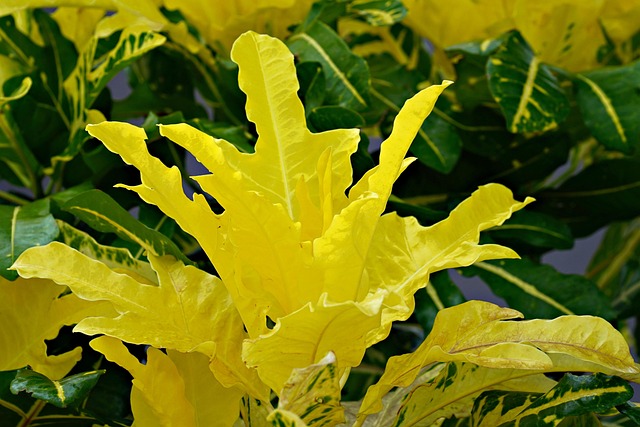
What's Happening
Root rot in Croton (Codiaeum variegatum) develops when thin, fibrous roots remain in waterlogged, poorly aerated soil for extended periods. Unlike succulents with water-storing tissues, crotons require oxygen exchange at root level. Oversized pots retain excess moisture that slow-drying dense potting soil exacerbates, creating anaerobic conditions favoring Pythium and Fusarium pathogens. The plant's drooping leaves often mimic underwatering, leading to more watering and accelerating rot.
How to Fix It
- 1
Unpot immediately: Gently remove from container and inspect root ball
- 2
Trim affected tissue: Cut all black, mushy, or foul-smelling roots with sterilized scissors, extending 0.5 inches into healthy white tissue
- 3
Sterilize remaining roots: Soak in 3% hydrogen peroxide solution (1:1 with water) for 20 minutes to kill pathogens
- 4
Repot in appropriate container: Select pot only 1-2 inches wider than trimmed root ball with drainage holes
- 5
Use fresh airy mix: Combine 50% potting soil + 30% perlite + 20% orchid bark to prevent future compaction
- 6
Resume watering carefully: Wait 7 days after repotting, then water only when top 2-3 inches are dry
How to Prevent It
Use well-draining mix: 50% potting soil, 30% perlite, 20% orchid bark. Match pot size to root ball—excess soil volume retains unwanted moisture. Water only when top 2 inches are completely dry. Ensure pot has drainage holes; avoid decorative cache pots without drainage.