Light Requirements on echeveria
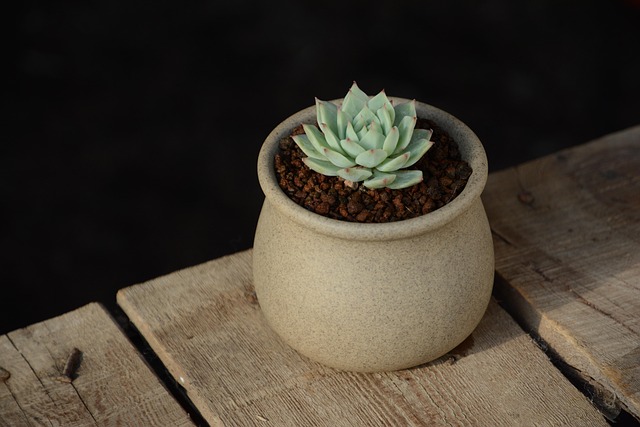
What's Happening
Echeveria etiolation stems from three critical environmental failures: (1) Insufficient light intensity below CAM photosynthesis thresholds (Echeveria require 1000-3000 foot-candles minimum), (2) Poor light quality from narrow-spectrum LEDs (cheap blurple lights lack full PAR range), and (3) Inconsistent photoperiods disrupting circadian growth rhythms. Indoor environments typically provide only 100-500 lux near windows versus the 10,000+ lux Echeveria require for compact growth.
How to Fix It
- 1
1. Light measurement: Download lux meter app, measure at plant position—target minimum 10,000 lux for compact growth
- 2
2. Upgrade lighting: Replace cheap blurple USB lights with full-spectrum white LED panels (3000-6500K color temperature)
- 3
3. Distance optimization: Position grow lights 12-18 inches from Echeveria crowns—use hand heat test (should not feel warmth)
- 4
4. Timer automation: Set 12-14 hour consistent photoperiod with programmable timer to maintain circadian consistency
- 5
5. Window optimization: South-facing windows provide brightest light; east-facing acceptable for 4-6 hours morning sun
- 6
6. Seasonal adjustment: Increase supplemental lighting duration to 16 hours in winter when natural light decreases
- 7
7. Acclimation protocol: When increasing light, raise intensity gradually over 7-10 days to prevent photobleaching/sunburn
How to Prevent It
Implement year-round supplemental lighting strategy: Position plants within 12-18 inches of full-spectrum LED panels delivering 200-400 μmol/m²/s PAR. Use programmable timers for consistent 12-16 hour photoperiods. Rotate plants weekly to prevent unilateral phototropism. Group Echeveria to create microclimate with 40-60% humidity.