Overwatering Root Rot on echeveria
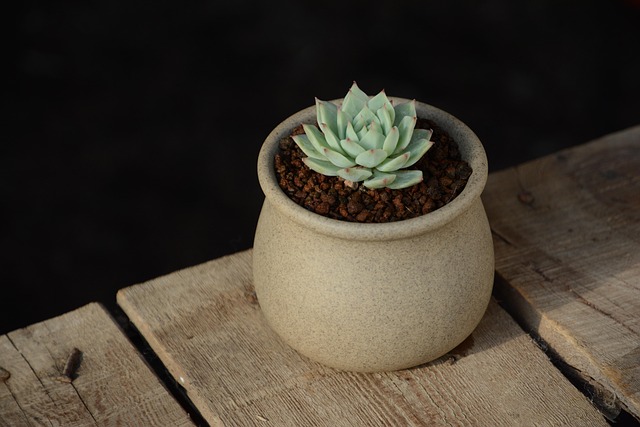
What's Happening
Echeveria succulents store water in fleshy leaves and rosettes, making them highly susceptible to root rot when soil remains moist for extended periods. Anaerobic conditions develop when the soil water content exceeds field capacity for 7+ days, promoting bacterial and fungal pathogens (Pythium, Fusarium) that colonize the shallow, fine root system. The rosette growth habit traps moisture at the stem base, accelerating crown rot that can kill the plant within 2-4 weeks of symptom onset.
How to Fix It
- 1
Inspect immediately: Remove plant from pot and examine roots—healthy roots are white and firm, rotted roots are black/brown and mushy
- 2
Surgical removal: Trim ALL rotted roots and any affected stem tissue with sterilized scissors until only healthy white tissue remains
- 3
Sterilize: Treat cut surfaces with cinnamon powder or 3% hydrogen peroxide (1:1 with water) for 20 minutes to kill remaining pathogens
- 4
Callus period: Lay plant on dry paper towel in bright indirect light for 48-72 hours until wounds seal
- 5
Repot in dry mix: Use fresh gritty succulent soil (50% perlite/pumice, 50% cactus mix) in a pot with drainage holes—do NOT water for 1 week
What You'll Need
How to Prevent It
Implement 'soak and dry' watering: Water only when top 2-3 inches of soil are bone-dry (typically every 2-3 weeks indoors). Use terracotta pots with drainage holes to wick excess moisture. Maintain 40-50% humidity and bright indirect light to accelerate soil drying. Never let Echeveria sit in saucers of standing water.