Overwatering Root Rot on haworthia
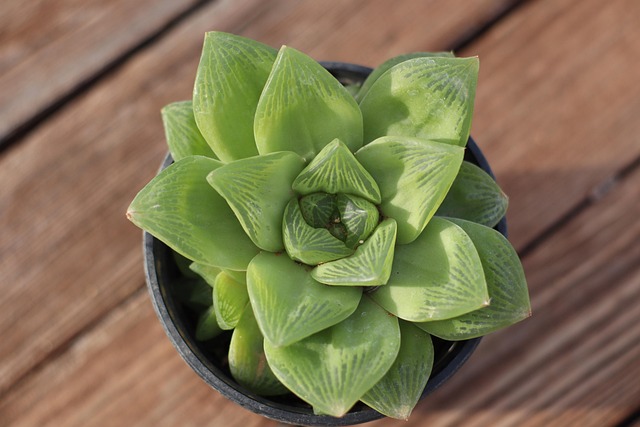
What's Happening
Haworthia species possess shallow, fibrous root systems adapted to rocky, fast-draining habitats. When overwatered, these roots rot rapidly in anaerobic soil conditions, often leaving the plant seemingly healthy above-ground while the root crown decays below. Unlike Echeveria, Haworthia can regenerate entirely new root systems from the basal stem meristem even after total root loss, making recovery possible from seemingly catastrophic rot.
How to Fix It
- 1
Inspect roots: Gently remove from pot and identify mushy/brown rot versus firm white healthy tissue
- 2
Aggressive pruning: Remove ALL rotted roots and any affected crown tissue with sterilized tools—Haworthia can recover from complete root removal if the stem core remains intact
- 3
Air dry: Place the plant on dry paper towel in bright indirect light with good airflow for 3-7 days to thoroughly callus all wounds
- 4
Repot shallow: Use gritty mix (60% perlite/pumice, 40% cactus soil) in a shallow pot that matches root ball size—excess soil retains unwanted moisture
- 5
Dry start: Do NOT water for 2 weeks post-repotting; wait for visible signs of thirst (slightly wrinkled leaves) before first watering
What You'll Need
How to Prevent It
Water only when leaves show visible wrinkling and begin to curl inward—this is Haworthia's natural thirst signal. Use shallow terracotta pots that dry quickly. Position in bright indirect light (2000-5000 lux) to accelerate evaporation. Reduce watering to monthly in winter when growth slows.