Root Rot on haworthia
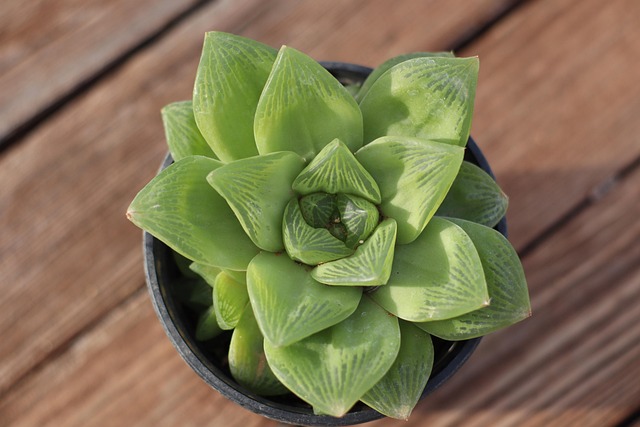
What's Happening
Primarily overwatering or lack of drainage holes. Haworthia have thick, contractile roots that thrive in gritty substrates. In stagnant, wet soil, they succumb to fungal rot. They may also 'yeet' (shed) their roots entirely due to extreme stress, including root girdling from retail synthetic netting.
How to Fix It
- 1
Remove plant and inspect roots. Firm white roots are healthy; brown mushy roots must be removed.
- 2
Use a sterile blade to excise all rot from the basal core until only healthy white tissue remains.
- 3
Allow the core to callus (dry) for 7-10 days in a bright, shaded spot with high airflow.
- 4
Repot in a highly gritty mix (50% pumice/perlite, 50% succulent soil) in a terracotta pot.
- 5
Wait 14 days before the first light watering to allow root nodes to activate.
How to Prevent It
Adopt a strict 'soak and dry' method. Water only when the soil is 100% dry and the lower leaves feel slightly less firm. Remove any retail mesh or plastic cages from roots immediately after purchase.