Overwatering on haworthia
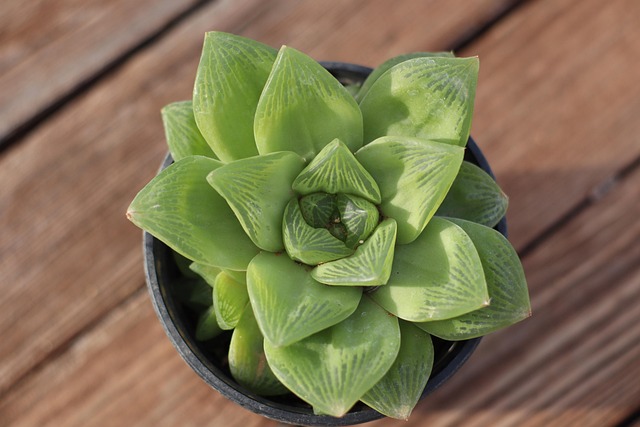
What's Happening
Succulents utilize Crassulacean Acid Metabolism (CAM) photosynthesis, opening stomata at night to minimize water loss. During winter dormancy (triggered by photoperiod <10 hours and temperatures <65°F), metabolic rate drops 70-80%, eliminating water needs for growth. Continued summer watering frequency (every 2 weeks) during dormancy creates chronically moist soil that promotes Pythium and Fusarium proliferation. The plant's CAM-adapted physiology makes it 3-5x more vulnerable to root rot during dormancy than tropical plants with C3 metabolism.
How to Fix It
- 1
Establish season markers: When daylight drops below 10 hours or indoor temps consistently <65°F, transition to dormancy schedule
- 2
Summer schedule (active growth): Water every 2-3 weeks when soil is completely dry; succulents can utilize moderate moisture during growth
- 3
Winter schedule (dormancy): Extend to every 4-6 weeks minimum; soil should remain dry for extended periods
- 4
Spring transition: Gradually increase frequency over 3-4 weeks as photoperiod extends and new growth emerges
- 5
Use environmental cues: New compact central growth indicates active metabolism; stretched etiolated growth indicates insufficient light (not thirst)
What You'll Need
How to Prevent It
Never water on calendar autopilot. Test soil dryness 2-3 inches deep with wooden skewer or moisture meter—succulents tolerate drought stress far better than waterlogging during any season.