
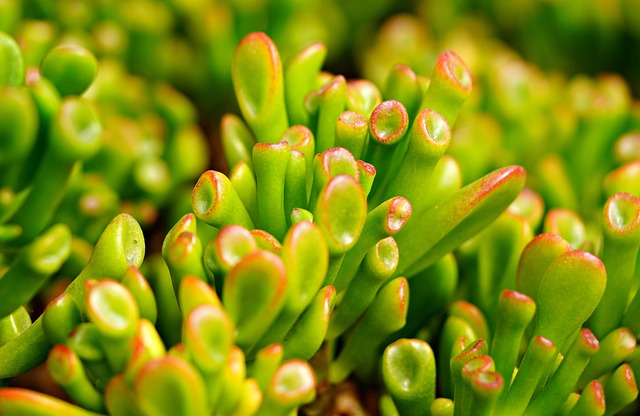
jade plant
Crassula ovata
Also known as: Money Tree, Crassula Ovata
Evidence-based care guide for Jade Plant (Crassula ovata). Covers symptom diagnosis, disease treatment, pest control, propagation methods, lighting and watering. Our analysis draws from 45 verified community cases with an average confidence score of 88%. Each protocol is synthesized from real rescue outcomes, not generic advice.
Care Essentials
Get to Know Your Jade Plant
The #1 killer? Overwatering. Let the soil dry between waterings and your Jade Plant will thrive.
Light
bright indirect
Wants bright, indirect light — sensitive to both extremes. Too much direct sun causes burns, too little causes stretching.
💡 Grow lights: Thrives under artificial grow lights (LED or fluorescent, 10-12 hours/day). A great option if your space lacks natural light.
Watering
every 10-14 days
Let the soil dry out significantly between waterings — this plant is very sensitive to overwatering. When in doubt, wait another day.
Humidity & Temperature
Loves higher humidity (60%+). If your air is dry, group it with other plants, use a pebble tray, or run a humidifier nearby.
Prefers moderate temperatures (60-80°F). Keep away from radiators and intense afternoon sun windows.
Soil
Needs well-draining soil — add perlite or orchid bark to a standard potting mix. Good drainage is critical to prevent root rot.
Care Requirements
At a Glance
Care Profile in Development
While our detailed care profile is being compiled, you can find specific care guidance in the 6 care-related diagnoses below — including watering schedules, light requirements, and propagation methods from real-world cases.
Start Here
Most Common Problems
Based on 45 analyzed cases — these are the issues you're most likely to encounter
Don't see your symptom? Search all 37 topics below, or run the Diagnostic.
How do I propagate my Jade Plant?
Jade leaf cuttings require callus formation (2-7 days) before rooting to...
Why are my Jade Plant leaves turning yellow?
Overwatering causing basal leaf yellowing. Jade succulents store water in...
Why does my Jade Plant have root rot?
Soil saturation beyond 7-10 days triggers anaerobic bacterial proliferation in...
Why does my Jade Plant have mealybugs?
Mealybugs (Pseudococcidae) on jade plants cluster in leaf axils and stems,...
Why is my Jade Plant wilting?
Insufficient sunlight reduces transpiration, preventing soil from drying out...
Which of the 7 Killers
is threatening your plants?
We analyzed 1,616 documented plant deaths to identify the 7 causes behind 78% of all losses. Answer 5 questions — we'll tell you exactly which ones apply to your setup.
Skip the quiz — get The 7 Killers course ($19) →Question 1 of 5
How do you decide when to water your plants?
Question 2 of 5
Where do most of your plants live?
Question 3 of 5
What's your home environment like?
Question 4 of 5
Have you lost a plant in the last 6 months?
Question 5 of 5
How often do you check your plants for pests?
Your diagnosis is ready
We've identified your top 2 risk killers. Enter your email to see the full breakdown and your personalized rescue protocol.
Your plants are most at risk from:
The 7 Killers mini-course covers every one of these in depth — mechanism, rescue protocol, prevention. 1,616 cases. 7 lessons. $19.
Get The 7 Killers — $19 →Get the Plant Mortality Checklist
The 7 killers behind 78% of houseplant deaths — and the exact fix for each. Free PDF based on 1,616 documented cases.
Your checklist is ready!
We also sent it to your inbox. Check your email for the full download.
Open the ChecklistFree. No spam. Unsubscribe anytime.
Verified Data
All Diagnoses
37 topics consolidated from 45 documented cases. Expand any topic to see all protocols.
Symptoms (3 topics · 6 cases)
What are these brown spots on my Jade Plant?
Edema in jade plants occurs when the succulent leaves absorb water faster than they can transpire it, causing cells to rupture and create corky brown spots
88%
What are these brown spots on my Jade Plant?
Edema in jade plants occurs when the succulent leaves absorb water faster than they can transpire it, causing cells to rupture and create corky brown spots
Cause
Edema in jade plants occurs when the succulent leaves absorb water faster than they can transpire it, causing cells to rupture and create corky brown spots. This is often triggered by inconsistent watering patterns (long dry periods followed by heavy watering), poor drainage, or high humidity combined with low light. Unlike sunburn which appears on exposed surfaces, edema spots appear randomly on leaf undersides and are slightly raised.
Solutions
- Allow soil to dry completely between waterings (typically 2-3 weeks)
- Repot in well-draining cactus mix with 50% perlite if drainage is poor
- Remove affected leaves to prevent bacterial colonization of damaged tissue
- Switch to soak-and-dry method: water thoroughly until it drains, then wait for full dryness
- Increase air circulation around the plant to promote leaf drying
Prevention
Water jade plants only when the top 2-3 inches of soil are completely dry. Use terracotta pots with drainage holes to wick excess moisture. Avoid misting or high-humidity environments. Maintain bright indirect light to promote steady transpiration and prevent water retention in leaves.
Why is my Jade Plant wilting?
Insufficient sunlight reduces transpiration, preventing soil from drying out and causing root hypoxia (lack of oxygen)
2 protocols
85–87%
Why is my Jade Plant wilting?
Insufficient sunlight reduces transpiration, preventing soil from drying out and causing root hypoxia (lack of oxygen)
Protocol 1: drooping · 87% confidence
Cause
Insufficient sunlight reduces transpiration, preventing soil from drying out and causing root hypoxia (lack of oxygen). Low light plus moisture-retentive soil creates a compounding effect.
Solutions
- Move plant to brighter location with 6+ hours of direct or bright indirect sunlight daily
- Repot into well-draining soil mix amended with pumice, perlite, or gravel
- Verify pot has drainage holes to prevent waterlogging
Prevention
Maintain consistent bright light exposure; use succulent-specific gritty soil mixes; adopt soak-and-dry watering cycle based on soil moisture checks
Protocol 2: drooping · 85% confidence
Cause
Overwatering causing root stress and drooping. User mistook winter growth slowdown for dormancy, but persistent drooping indicates chronic overwatering with frequent shallow applications preventing full soil dry-out.
Solutions
- Check pot for drainage holes; repot into well-draining succulent soil if absent
- Allow soil to dry completely (check by weight or finger test 2-3 inches deep)
- Water deeply every 10-15 days only when leaves wrinkle, until water exits drainage holes
- Maintain bright indirect light or grow light (12-14 hours/day) to support recovery
Prevention
Use moisture meter for precise bone-dry checks; wait until leaves show slight wrinkling before watering; avoid watering on a fixed schedule
Why are my Jade Plant leaves turning yellow?
Overwatering causing basal leaf yellowing
3 protocols
86–88%
Why are my Jade Plant leaves turning yellow?
Overwatering causing basal leaf yellowing
Protocol 1: yellow leaves · 88% confidence
Cause
Overwatering causing basal leaf yellowing. Jade succulents store water in thickened leaves; excess soil moisture leads to root oxygen deprivation and basal leaf senescence where older, lower leaves are first affected.
Solutions
- Assess soil moisture: insert finger 2-3 inches deep; if damp, withhold water until fully dry
- Remove yellowed leaves with sterilized shears to prevent fungal spread
- Inspect roots: unpot if soil remains wet; trim black/mushy roots, repot in fresh succulent mix
- Resume watering only when top 50% of soil is dry
Prevention
Switch to gritty, well-draining soil; use pots with drainage holes; implement soak-and-dry cycle; avoid cold drafts and high humidity
Protocol 2: yellow leaves · 88% confidence
Cause
Basal yellowing in Crassula ovata has two distinct causes requiring different interventions. ROOT ROT YELLOWING: Lower leaves turn yellow rapidly (within days) when anaerobic soil conditions (<2mg/L oxygen) promote Pythium/Fusarium pathogens that compromise root uptake. Accompanied by thin/wilted leaves, fungus gnats, and soft stem tissue. NATURAL SENESCENCE: Single oldest leaf yellows over 2+ months as plant redirects energy to new growth—healthy, firm texture with no other symptoms. The confusion stems from both affecting bottom leaves first. Key differentiator: Natural senescence affects ONLY the single oldest leaf; rot affects multiple leaves with systemic stress signals.
Solutions
- Inspect the pattern: Single oldest leaf only = natural senescence; multiple basal leaves = investigate further.
- Check stem firmness: Squeeze base where stem meets soil. Mushy texture confirms rot; firm texture suggests natural aging or underwatering.
- Soil moisture check: Insert finger 3 inches deep. If wet despite 7+ days since watering, confirms overwatering/rot.
- For natural senescence: Allow leaf to fully yellow and dry, then snip at base with sterile scissors.
- For rot indication: Unpot, inspect roots for black/mushy tissue. Trim affected roots, repot in fresh dry mix, withhold water 2-3 weeks.
Prevention
Use finger test: Water only when top 2 inches are dry; avoid automated watering systems; ensure pot has drainage holes; maintain 60-80% humidity to reduce water needs; bottom-water only when necessary to control soil saturation.
Protocol 3: yellow leaves · 86% confidence
Cause
Seasonal environmental shifts (temperature drops, reduced humidity) causing effective overwatering. Yellowing of oldest basal leaves in consistent pattern from trunk outward indicates root stress from soil staying too wet in cooler conditions.
Solutions
- Identify subtle recent changes in temperature, humidity, or light exposure
- Inspect thoroughly for insects under leaves and at soil line
- Verify soil drainage; allow top 2-3 inches to dry completely before watering
- Apply balanced fertilizer at 50% dosage to support stress recovery
Prevention
Reduce watering volume and frequency in fall/winter (every 2-3 weeks); maintain temperatures above 55�F (13�C); use gritty well-draining succulent soil mix
Diseases (2 topics · 3 cases)
Why does my Jade Plant have root rot?
Soil saturation beyond 7-10 days triggers anaerobic bacterial proliferation in Crassula ovata's fine, fibrous root system
2 protocols
88–94%
Why does my Jade Plant have root rot?
Soil saturation beyond 7-10 days triggers anaerobic bacterial proliferation in Crassula ovata's fine, fibrous root system
Protocol 1: root rot · 94% confidence
Cause
Soil saturation beyond 7-10 days triggers anaerobic bacterial proliferation in Crassula ovata's fine, fibrous root system. Unlike woody plants, jade's succulent roots lack lignified tissue, making them vulnerable to rapid cellular breakdown when oxygen levels drop below 2mg/L. The combination of moisture-retentive peat-based soil and glazed ceramic pots creates a perfect anaerobic environment. Fusarium oxysporum (PMID 30732030) has been documented as a primary pathogen causing vascular discoloration and stem collapse in commercial jade operations.
Solutions
- Unpot immediately: Remove entire root ball, gently wash away soil to expose all roots
- Surgical triage: Trim ALL black, mushy, or foul-smelling roots with sterilized scissors until only firm white tissue remains
- H2O2 sterilization: Soak remaining roots in 3% hydrogen peroxide solution (1:1 with water) for 20 minutes to oxygenate tissue and kill anaerobic bacteria
- Callus period: Lay plant on dry paper towel in shade for 48-72 hours to seal cut wounds
- Repot in gritty mix: Use 50% perlite/pumice + 50% cactus soil; avoid peat-heavy mixes
- Withhold water: Do not water for 7-10 days post-repot to encourage new root growth
Prevention
Water only when top 2-3 inches of soil are bone-dry; use unglazed terracotta pots for passive moisture wicking; maintain 50%+ inorganic soil content (perlite/pumice); ensure drainage holes exceed 3/8 inch diameter; position in bright direct sun (4-6 hours) to accelerate transpiration.
Protocol 2: root rot recovery · 88% confidence
Cause
Jade plants in recovery from root rot experience a delayed visible response. The plant prioritizes root system repair before allocating energy to new leaf production, creating a 4-8 week lag where above-ground appearance remains unchanged. This delay causes premature abandonment of viable plants as owners conclude treatment failed. Recovery requires patience as the plant rebuilds its vascular transport system from remaining healthy tissue.
Solutions
- Week 1-2: No visible changes expected; plant is callusing wounds and initiating root primordia—be patient
- Week 3-4: First new white root tips may appear when gently unpotting to check—look for firm, white, thread-like growth
- Week 5-6: Existing leaves should firm up; any remaining soft leaves can be removed to redirect energy
- Week 7-8: New leaf growth emerges from center when root system has recovered sufficiently
- Month 3+: Resume minimal fertilization at 1/4 strength; plant enters active growth phase
- Month 6+: Normal care resumes; plant should show vigorous new growth
Prevention
Mark calendar when treating rot to track expected timeline; resist urge to check roots more than once every 2 weeks—disturbance delays recovery; maintain consistent environmental conditions (light, temperature, humidity) during recovery period; avoid fertilizing until month 3 to prevent root burn.
Why is my Jade Plant's stem turning black?
Stem rot in jade progresses from roots into the central growing point where leaves emerge
90%
Why is my Jade Plant's stem turning black?
Stem rot in jade progresses from roots into the central growing point where leaves emerge
Cause
Stem rot in jade progresses from roots into the central growing point where leaves emerge. The rhizome crown—the modified stem that stores water and nutrients—becomes soft and discolored when compromised by anaerobic bacterial infection. Unlike root rot alone, crown rot threatens the entire plant's structural integrity and ability to produce new growth. The progression appears as yellowing or browning at leaf bases where they emerge from the crown, accompanied by softening of the basal stem.
Solutions
- Palpation test: Gently squeeze base where leaves meet soil—healthy rhizomes feel firm like a potato
- Visual inspection: Look for yellowing or browning at leaf bases where they emerge from crown
- Immediate action: Remove from soil, trim all soft/mushy crown tissue until only firm tissue remains
- Sterilization: Treat cut surfaces with cinnamon powder or diluted hydrogen peroxide to prevent reinfection
- Recovery: Allow to callus 3-5 days, then repot in completely dry succulent mix
- Prevention: Switch to shallow pots that match root ball depth to reduce crown moisture exposure
Prevention
Use shallow pots matching root ball size—deep pots retain excess moisture around rhizome; ensure soil dries completely between waterings; avoid watering directly onto leaf bases where water pools; inspect stem base monthly by gently squeezing to detect early softening.
Pests (3 topics · 4 cases)
Why does my Jade Plant have mealybugs?
Mealybugs (Pseudococcidae) on jade plants cluster in leaf axils and stems, sucking sap and excreting honeydew that promotes sooty mold
2 protocols
81–92%
Why does my Jade Plant have mealybugs?
Mealybugs (Pseudococcidae) on jade plants cluster in leaf axils and stems, sucking sap and excreting honeydew that promotes sooty mold
Protocol 1: mealybugs · 92% confidence
Cause
Mealybugs (Pseudococcidae) on jade plants cluster in leaf axils and stems, sucking sap and excreting honeydew that promotes sooty mold. Root mealybugs (Rhizoecus spp.) lay eggs in soil that hatch in 7-10 day cycles, making single treatments ineffective. Jade's thick, waxy leaves tolerate alcohol desiccation but soil-borne eggs require systemic intervention.
Solutions
- Isolate plant immediately to prevent spread to other plants
- Apply 70% isopropyl alcohol via q-tip spot treatment on visible bugs/eggs (avoid soil saturation)
- Repot in fresh sterile succulent mix after rinsing roots gently to remove soil-borne eggs
- Apply insecticidal soap (potassium salts of fatty acids) 3x per week for 2 weeks to hit crawler stage
- Monitor every 3 days for 2-3 weeks; introduce systemic granules for persistent infestations
Prevention
Quarantine new plants 4 weeks with weekly root inspections; maintain bright indirect light (2000-5000 lux), water sparingly (soil fully dry between waterings), 60-75°F, low humidity (<50%) to deter pests; use neem oil prophylactically monthly during active growth.
Protocol 2: mealybugs · 81% confidence
Cause
Mealybug infestation common on jade plants, particularly in crevices between leaves and stems. These sap-sucking pests weaken the plant and leave sticky honeydew residue.
Solutions
- Isolate infested plant immediately
- Remove visible mealybugs with cotton swab dipped in 70% isopropyl alcohol
- Spray entire plant with neem oil or insecticidal soap solution
- Repeat treatment weekly for 3-4 weeks to catch hatchlings
Prevention
Inspect new plants before bringing indoors; maintain good air circulation; wipe leaves regularly with damp cloth; avoid over-fertilizing which attracts pests
Why does my Jade Plant have scale insects?
Scale insects (Diaspididae/soft scale) on jade plants appear as uniform raised bumps on stems and leaf undersides
88%
Why does my Jade Plant have scale insects?
Scale insects (Diaspididae/soft scale) on jade plants appear as uniform raised bumps on stems and leaf undersides
Cause
Scale insects (Diaspididae/soft scale) on jade plants appear as uniform raised bumps on stems and leaf undersides. Armored scale forms hard waxy tests that protect nymphs from contact treatments. Early-stage infestations show plant health overall, but crawlers (mobile nymphs) spread rapidly in stagnant air conditions typical of indoor environments.
Solutions
- Confirm ID: Check for uniform raised bumps that pick off easily without plant damage
- Manual removal: Gently pick off scales with tweezers or fingernail, focusing on stems and undersides
- Spot treatment: Wipe with 70% isopropyl alcohol on cotton swab to kill nymphs and residue
- Apply neem oil or insecticidal soap weekly for 2-3 weeks to target crawler emergence
- Isolate and monitor 4 weeks; inspect weekly for crawlers
Prevention
Quarantine new plants 2 weeks; promote airflow with fans, maintain bright indirect light and low humidity (<50%); avoid over-fertilizing to reduce sap attractants; weekly leaf inspections during routine care.
What pests are on my Jade Plant?
Scale insects (primarily Coccus hesperidum and related species) infest jade plants, appearing as small brown or tan bumps on leaves and stems
88%
What pests are on my Jade Plant?
Scale insects (primarily Coccus hesperidum and related species) infest jade plants, appearing as small brown or tan bumps on leaves and stems
Cause
Scale insects (primarily Coccus hesperidum and related species) infest jade plants, appearing as small brown or tan bumps on leaves and stems. These sap-sucking pests attach permanently to plant tissue, feeding on phloem and excreting honeydew that promotes sooty mold growth. Jade plants are particularly susceptible due to their fleshy, nutrient-rich tissue and the sheltered environment of leaf axils where scales colonize undetected.
Solutions
- Inspect entire plant with magnifying glass to identify all scale locations
- Wipe visible scales with cotton swab dipped in 70% isopropyl alcohol to dissolve protective coating
- Apply neem oil or horticultural oil every 7-10 days for 4-6 weeks to smother crawlers
- For severe infestations: Use systemic insecticide containing imidacloprid as soil drench
- Isolate infected plant until 2 weeks after last visible scale is removed
Prevention
Quarantine new plants for 14 days before introducing to collection. Inspect leaf undersides and stem joints weekly with 10x magnification. Maintain proper spacing between plants for airflow. Avoid over-fertilization which produces soft, nitrogen-rich growth that attracts scales.
Watering Issues (4 topics · 4 cases)
Is my Jade Plant overwatered?
Crassula ovata exhibits a diagnostic paradox where overwatered plants display wrinkled, deflated leaves that mimic underwatering
91%
Is my Jade Plant overwatered?
Crassula ovata exhibits a diagnostic paradox where overwatered plants display wrinkled, deflated leaves that mimic underwatering
Cause
Crassula ovata exhibits a diagnostic paradox where overwatered plants display wrinkled, deflated leaves that mimic underwatering. This occurs because rotted roots lose the ability to uptake water entirely, causing the plant to deplete stored water reserves in its succulent leaves. The confusion leads owners to water more, accelerating the rot-dehydration cycle. Root rot develops in 3-7 days of saturated soil, while visible leaf wrinkling appears 2-3 weeks later as stored water depletes.
Solutions
- Finger test: Insert finger 3 inches deep—moist soil with wrinkled leaves confirms overwatering, not thirst
- Pot weight test: Lift pot—heavy pot with wrinkled leaves indicates waterlogged roots
- Root inspection: Unpot plant—healthy roots are white/firm/turgid; rotting roots are black/mushy/foul-smelling
- Cease watering immediately: Stop all irrigation until soil is bone-dry throughout
- Surgical intervention: Trim rotted roots, repot in dry succulent mix, resume watering only when bone-dry
Prevention
Use finger test to 3-inch depth before watering; employ pot weight test (heavy pot + wrinkled leaves = overwatering, not underwatering); inspect roots monthly by unpotting; use moisture meter calibrated for succulents; prioritize terracotta pots for wicking.
Is my Jade Plant underwatered?
Underwatering and overwatering produce similar wrinkled leaf symptoms, creating diagnostic confusion
87%
Is my Jade Plant underwatered?
Underwatering and overwatering produce similar wrinkled leaf symptoms, creating diagnostic confusion
Cause
Underwatering and overwatering produce similar wrinkled leaf symptoms, creating diagnostic confusion. Underwatering causes gradual water depletion from healthy roots with dry soil throughout; overwatering causes rapid root death from anaerobic conditions with moist/wet soil. Distinguishing between them is critical because treatments are opposite—one requires more water, the other requires complete drying. Misdiagnosis accelerates plant decline.
Solutions
- Soil check: Moist/wet soil with wrinkled leaves = overwatering; bone-dry soil = underwatering
- Root check: Unpot and inspect—rotting roots (black/mushy/foul) indicate overwatering; dry/shriveled but intact roots indicate underwatering
- Leaf texture: Soft, translucent leaves indicate rot (overwatering); crispy, paper-like leaves indicate dehydration (underwatering)
- Odor test: Sour/foul smell from soil confirms bacterial overwatering; no odor suggests simple drought
- Treatment: Underwatered plants need thorough soaking; overwatered plants need complete drying and possible root surgery
Prevention
Use finger test to 3-inch depth combined with pot weight assessment; inspect roots monthly by unpotting; maintain consistent watering schedule based on soil dryness rather than leaf appearance; document watering dates and plant responses to build pattern recognition.
How often should I water my Jade Plant?
Jade plants evolved for arid savanna conditions with extended dry periods between rainfall events
87%
How often should I water my Jade Plant?
Jade plants evolved for arid savanna conditions with extended dry periods between rainfall events
Cause
Jade plants evolved for arid savanna conditions with extended dry periods between rainfall events. Their CAM photosynthesis minimizes water loss, and stems/leaves store reserves for 4-6+ weeks. Watering every 7-10 days—even small amounts—creates chronically moist soil promoting anaerobic bacterial growth and root rot. Overwatering is fundamentally about frequency, not volume. The plant prefers thorough, infrequent watering mimicking natural rainfall patterns.
Solutions
- Volume rule: When watering, drench soil until water exits drainage holes—mimics natural rainfall
- Frequency rule: Wait 3-4 weeks minimum between waterings (longer in winter dormancy)
- Test method: Use wooden skewer or moisture meter—water only when probe comes out completely dry
- Pot selection: Use terracotta or unglazed ceramic to wick excess moisture between waterings
- Seasonal schedule: Summer (every 2-3 weeks), Winter (every 4-6+ weeks)
- Leaf cue: Wrinkled leaves indicate thirst—combine with soil test for confirmation
Prevention
Establish soak-and-dry cycle: thorough saturation followed by complete soil dryness; never water on fixed calendar schedule; adjust frequency seasonally: summer (2-3 weeks), winter (4-6+ weeks); use finger test to 3-inch depth or wooden skewer to verify bone-dry conditions throughout pot.
How often should I water my Jade Plant?
Succulents including jade plants have distinct growing (spring/summer) and dormant (winter) periods tied to seasonal light and temperature
83%
How often should I water my Jade Plant?
Succulents including jade plants have distinct growing (spring/summer) and dormant (winter) periods tied to seasonal light and temperature
Cause
Succulents including jade plants have distinct growing (spring/summer) and dormant (winter) periods tied to seasonal light and temperature. During active growth, they utilize water for cell division. During dormancy, metabolic processes slow and water remains unused in soil, creating anaerobic rot conditions.
Solutions
- 1. Growing season (spring/summer): Water every 2-4 weeks when top inch is dry. Signs: new leaf formation, firm leaves, vibrant color.
- 2. Dormant season (winter): Reduce to monthly watering or less. Wrinkled leaves indicate thirst; mushy leaves indicate overwatering.
- 3. Transitional periods (fall/spring): Monitor closely as day length changes - gradually shift frequency over 3-4 weeks.
- 4. Environmental adjustments: Increase frequency slightly if temperature exceeds 80°F with low humidity; decrease if below 50°F.
Prevention
Use the 'soak and dry' approach: Thoroughly saturate soil, then allow complete drying before next watering. Finger test to first knuckle is most reliable indicator.
Environment (2 topics · 2 cases)
Is my Jade Plant suffering from cold damage?
Jade plants are native to South Africa and have evolved in frost-free subtropical climates
80%
Is my Jade Plant suffering from cold damage?
Jade plants are native to South Africa and have evolved in frost-free subtropical climates
Cause
Jade plants are native to South Africa and have evolved in frost-free subtropical climates. Their succulent tissues contain high water content that freezes and expands at temperatures below 40°F (4°C), rupturing cell walls. Cold damage typically appears within 24-48 hours of exposure and is irreversible.
Solutions
- 1. Move immediately: Relocate affected plant to warm area (65-75°F) with bright indirect light.
- 2. Assess damage: Soft, translucent leaves indicate severe freezing - remove these immediately. Firm leaves with dark spots may recover.
- 3. Withhold water: Do not water for 2 weeks post-cold exposure as damaged roots cannot process moisture and rot risk increases.
- 4. Prune cautiously: Remove only clearly mushy/damaged tissue. Wait 3-4 weeks to see if firm damaged leaves recover before removing.
- 5. Propagate if necessary: Take healthy stem cuttings above damage, allow to callus 5-7 days, then root in dry succulent mix.
Prevention
Maintain minimum temperature of 50°F (10°C). Avoid placing near drafty windows in winter. Move plants away from air conditioning vents during summer.
Why does my Jade Plant have sunburn?
Jade plants (Crassula ovata) grown in low-light indoor conditions develop thin, delicate cuticles and reduced chlorophyll density
91%
Why does my Jade Plant have sunburn?
Jade plants (Crassula ovata) grown in low-light indoor conditions develop thin, delicate cuticles and reduced chlorophyll density
Cause
Jade plants (Crassula ovata) grown in low-light indoor conditions develop thin, delicate cuticles and reduced chlorophyll density. When abruptly exposed to direct sunlight (even 2-3 hours), the leaf cells cannot dissipate excess photon energy, triggering photooxidative damage. This appears as brown, crispy spots on leaf surfaces within 24-72 hours. The damage is permanent and occurs because the plant lacks photoprotective pigments that develop gradually under increasing light exposure.
Solutions
- Immediately relocate the plant to bright indirect light only
- Remove damaged leaves with sterile scissors to prevent secondary infection
- Allow plant to recover in stable conditions for 2-3 weeks
- Gradually reintroduce direct sunlight using 14-day acclimation protocol
- Monitor new growth for signs of successful adaptation
Prevention
Acclimate jade plants to direct sunlight over 14-21 days: start with 30 minutes of morning sun, increasing by 30 minutes every 3 days. Maintain bright indirect light (east-facing window) during the acclimation period. Never move shade-grown jades directly to south-facing windows or outdoor full sun without gradual transition.
Growth & Structure (3 topics · 3 cases)
Why is my Jade Plant becoming etiolated?
Etiolation in jade plants is a phototropism response to insufficient light intensity (below 500-1000 lux)
89%
Why is my Jade Plant becoming etiolated?
Etiolation in jade plants is a phototropism response to insufficient light intensity (below 500-1000 lux)
Cause
Etiolation in jade plants is a phototropism response to insufficient light intensity (below 500-1000 lux). The plant stretches internodes and grows leggy, reaching toward light sources while producing smaller, weaker leaves. This is a survival mechanism that prioritizes light capture over structural integrity. Extended etiolation weakens the plant's ability to support its own weight and makes it susceptible to sunburn when eventually exposed to proper light.
Solutions
- Relocate to brighter location immediately - east or west-facing window with sheer curtain
- Prune leggy stems back to compact nodes to encourage bushy regrowth
- Propagate pruned sections as cuttings to restart compact plants
- Install grow lights providing 12-16 hours of light at 2000+ lux
- Stake or support severely drooping branches until new root establishment
Prevention
Provide 4-6 hours of bright indirect light daily (south or west-facing window). Use full-spectrum grow lights (2000-5000 lux) positioned 6-12 inches above the plant if natural light is inadequate. Rotate the plant weekly to ensure even growth and prevent one-sided stretching.
Why is my Jade Plant growing leggy?
Insufficient light causing etiolation
87%
Why is my Jade Plant growing leggy?
Insufficient light causing etiolation
Cause
Insufficient light causing etiolation. Stretched weak stems with sparse leaf spacing occur when jade plants do not receive enough direct sunlight, causing them to stretch toward light sources.
Solutions
- Move to brightest location with 6+ hours direct or bright indirect light
- Prune leggy stems back by 1/3 to encourage bushier growth
- Use grow lights 12-16 hours daily if natural light is insufficient
- Root cuttings from pruned stems for propagation
Prevention
Provide consistent high light 2000+ lux; rotate plant weekly for even growth; avoid low-light north-facing windows
Why is my Jade Plant growing leggy?
Stem etiolation in jade plants occurs when the central growing point and main branches stretch vertically toward inadequate light sources
86%
Why is my Jade Plant growing leggy?
Stem etiolation in jade plants occurs when the central growing point and main branches stretch vertically toward inadequate light sources
Cause
Stem etiolation in jade plants occurs when the central growing point and main branches stretch vertically toward inadequate light sources. Unlike leaf etiolation which affects new growth only, stem etiolation indicates chronic long-term light deficiency that has compromised the plant's structural integrity. The stems become thin, weak, and unable to support the weight of fleshy leaves, creating a top-heavy, unstable plant prone to collapse.
Solutions
- Prune elongated stems back to 1/3 their length, cutting just above a node
- Remove weak, drooping branches entirely - these will not regain strength
- Place plant in bright indirect light for 2 weeks without direct sun to reduce stress
- New compact growth will emerge from pruned nodes within 4-6 weeks
- Stake remaining branches temporarily if needed, removing supports once new growth firms up
Prevention
Position jade plants in locations receiving minimum 4-6 hours of bright indirect light daily. Use grow lights (2000-5000 lux) positioned 8-12 inches above plant for 12-14 hours daily if natural light is insufficient. Rotate plants weekly to ensure even light exposure on all sides.
Propagation (1 topics · 3 cases)
How do I propagate my Jade Plant?
Jade leaf cuttings require callus formation (2-7 days) before rooting to prevent rot
3 protocols
86–91%
How do I propagate my Jade Plant?
Jade leaf cuttings require callus formation (2-7 days) before rooting to prevent rot
Protocol 1: leaf propagation · 91% confidence
Cause
Jade leaf cuttings require callus formation (2-7 days) before rooting to prevent rot. Soil propagation has higher success than water because extended submersion promotes bacterial soft rot in succulent tissue. New growth emerges from leaf base meristems in 4-8 weeks when conditions are optimal.
Solutions
- Select healthy leaves with clean break at stem; let callus 2-7 days until cut end forms dry scab
- Place callused leaves on top of moist succulent soil (do not bury)
- Mist soil lightly every 2-3 days only when surface is dry
- Provide bright indirect light; avoid direct sun which desiccates cuttings
- Wait 4-8 weeks for roots and pup emergence; do not tug to check progress
Prevention
Use healthy, plump leaves twisted cleanly from stem; allow cut end to callus 2-7 days in bright indirect light; use gritty well-draining mix (50% perlite); maintain 40-50% humidity and 65-75°F.
Protocol 2: propagation rescue · 90% confidence
Cause
When root rot reaches the main stem or crown, the entire root system becomes non-viable. However, Crassula ovata leaves and stems store sufficient water and nutrients to support adventitious root formation from healthy tissue above the rot line. This survival mechanism allows plant recovery even when the root crown is compromised, provided viable stem tissue remains. Propagation from affected plants requires proper callusing to prevent bacterial infection in cut tissue.
Solutions
- Select healthy tissue: Choose firm, non-wrinkled stem sections with no yellowing or soft spots
- Sterile cutting: Use clean razor blade to cut stem 2-3 inches above rot line
- Section method: Cut healthy stem into 3-4 inch segments, marking bottom end with notch
- Callus formation: Lay sections on dry paper towel for 48-72 hours until cut end forms dry scab—critical step
- Rooting medium: Plant cuttings 1 inch deep in moist perlite or coarse sand (NOT water)
- Environment: Maintain 65-75°F with bright indirect light; roots emerge in 4-8 weeks
- Post-rooting care: Transition to succulent mix when roots reach 2 inches; water sparingly
Prevention
Inspect new plants for hidden rot before purchase; avoid water propagation for snake plants and jades—soil propagation has higher success rates; use sterile tools and fresh soil to prevent infection; propagate from healthy parent plants only when possible.
Protocol 3: water propagation risks · 86% confidence
Cause
While water propagation works for many houseplants, jade cuttings are particularly vulnerable to bacterial soft rot during extended water submersion. The thick, succulent leaf and stem tissue releases sugars and nutrients into the water, creating ideal breeding conditions for anaerobic bacteria (Pythium, Erwinia). Chlorine in tap water stresses cut tissue further, and stagnant water promotes rapid pathogen proliferation. Soil propagation with proper callusing yields higher success rates.
Solutions
- Soil preference: Use perlite, coarse sand, or dry succulent mix for propagation instead of water
- Callus first: Allow cuttings to dry 48-72 hours before planting to seal wound—critical step
- If using water: Change water every 3-4 days using room-temperature dechlorinated water only
- Transition timing: Move to soil immediately when roots reach 1 inch—do not leave in water long-term
- Sterilization: Rinse containers with hydrogen peroxide between water changes to prevent biofilm
- Monitoring: Check for softening or discoloration at cut end—signs of bacterial infection
Prevention
Avoid water propagation for jade plants when possible; use soil propagation for all stem and leaf cuttings; allow cuttings to dry 48-72 hours before planting to seal wounds; use sterile, fast-draining succulent mix for propagation; maintain 65-75°F and bright indirect light during rooting.
Other Topics (19 topics · 20 cases)
Why is my Jade Plant's stem turning black?
Black stem discoloration at the soil line indicates Fusarium oxysporum infection (PMID 30732030) that has progressed from roots into the vascular cambium
92%
Why is my Jade Plant's stem turning black?
Black stem discoloration at the soil line indicates Fusarium oxysporum infection (PMID 30732030) that has progressed from roots into the vascular cambium
Cause
Black stem discoloration at the soil line indicates Fusarium oxysporum infection (PMID 30732030) that has progressed from roots into the vascular cambium. The pathogen produces microconidia that colonize xylem vessels, causing vascular browning that manifests as black streaks on stems. This differs from physical damage (which affects outer bark only) and thrips damage (which creates superficial scarring). Once vascular tissue is compromised, the plant cannot transport water, leading to rapid decline.
Solutions
- Immediate inspection: Unpot and examine stem base for black streaks extending into vascular tissue
- Sterilize tools: Wipe scissors with 70% isopropyl alcohol before cutting
- Aggressive pruning: Cut stem 2-3 inches above blackened tissue until only healthy green/white tissue remains
- Callus period: Lay cuttings on dry paper towel in shade for 72 hours to seal wounds
- Rooting hormone: Dip cut end in rooting hormone powder to accelerate adventitious root formation
- Fresh soil only: Repot in sterile succulent mix; never reuse soil from infected plant
- Isolate: Keep propagated plant separate for 30 days to monitor for reinfection
Prevention
Inspect new plants for vascular discoloration before purchase; use sterile soil to prevent pathogen introduction; avoid overhead watering that splashes soil-borne fungi onto stems; maintain soil pH 6.0-6.5 to discourage Fusarium proliferation; ensure airflow around stem base.
Jade Plant: Dormancy Vs Stress
Jade plants enter semi-dormancy in low light/cool temperatures (<60°F), slowing or halting growth
88%
Jade Plant: Dormancy Vs Stress
Jade plants enter semi-dormancy in low light/cool temperatures (<60°F), slowing or halting growth
Cause
Jade plants enter semi-dormancy in low light/cool temperatures (<60°F), slowing or halting growth. Winter dormancy is normal; spring/summer stagnation indicates issues. Oversized pots redirect energy to root filling; insufficient light causes etiolation; overwatering stresses roots.
Solutions
- Assess season: winter slowdown normal; spring/summer issues need intervention
- Check light levels with meter; increase to 2000-5000 lux minimum
- Inspect roots: if pot-bound, repot; if oversized, downsize container
- Reduce watering frequency; allow soil to dry completely between waterings
- Apply diluted succulent fertilizer (1/4 strength) monthly during active growth
Prevention
Maintain 65-75°F year-round; provide 4-6 hours bright light; water sparingly in winter (monthly); use pot only 1-2 inches larger than root ball; fertilize monthly spring-summer only.
Jade Plant: Dropping Leaves
Jade plants naturally abscise older lower leaves as they elongate stems—a process accelerated by insufficient direct sunlight
93%
Jade Plant: Dropping Leaves
Jade plants naturally abscise older lower leaves as they elongate stems—a process accelerated by insufficient direct sunlight
Cause
Jade plants naturally abscise older lower leaves as they elongate stems—a process accelerated by insufficient direct sunlight. Bright filtered skylight causes etiolation (thin, stretched growth), leading to weakened petioles that cannot support leaf weight. Unlike root rot (which causes mushy leaves), light-stress leaf drop presents as intact, firm green leaves detaching from thinning stems. New growth emerges weak and elongated rather than compact.
Solutions
- Relocate to brighter exposure: Move to south or west-facing window with 4-6 hours direct sun
- Gradual acclimation: Increase light exposure by 30 minutes daily over 2 weeks to prevent sunburn
- Prune leggy stems: Cut back elongated branches to encourage compact, thick growth
- Propagate cuttings: Root pruned sections in well-draining soil for backup plants
- Monitor new growth: Expect thicker, more compact leaves within 4-6 weeks of improved light
Prevention
Provide 4-6+ hours of direct morning sun daily; acclimate gradually over 2 weeks to prevent sunburn; maintain bright indirect light minimum 2000-4000 lux; rotate plant quarterly for even exposure; prune leggy growth every 6-12 months to encourage bushy habit.
Why does my Jade Plant have edema (water spots)?
Edema appears as small corky bumps or blisters on jade leaves from irregular watering
85%
Why does my Jade Plant have edema (water spots)?
Edema appears as small corky bumps or blisters on jade leaves from irregular watering
Cause
Edema appears as small corky bumps or blisters on jade leaves from irregular watering. Plant cells absorb water faster than transpiration can release it, causing cell rupture. Common in spring/summer growth spurts or after drought-then-deluge cycles. Harmless but indicates watering inconsistency.
Solutions
- Assess watering pattern: identify drought-to-flood cycles causing edema
- Establish consistent schedule: deep watering every 2-3 weeks when soil fully dry
- Remove severely affected leaves for aesthetics (optional - edema is cosmetic)
- Improve airflow around plant to support transpiration
- Monitor new growth: should appear smooth with consistent watering
Prevention
Maintain consistent watering schedule; water deeply when top 2-3 inches dry (not sporadic small amounts); ensure good airflow; avoid sudden humidity changes; use moisture meter for accuracy.
Jade Plant: Fusarium Wilt
Fusarium oxysporum causes vascular wilt in jade plants, first observed in Italy 2010
87%
Jade Plant: Fusarium Wilt
Fusarium oxysporum causes vascular wilt in jade plants, first observed in Italy 2010
Cause
Fusarium oxysporum causes vascular wilt in jade plants, first observed in Italy 2010. Symptoms progress from chlorosis and premature leaf drop to stem wilting and basal rot. Brown vascular discoloration confirms fungal colonization. Pathogen persists in soil and spreads via contaminated tools/water.
Solutions
- Isolate affected plant immediately; remove and destroy severely wilted leaves/stems
- Unpot and inspect roots/vascular tissue for brown discoloration
- Soak roots in fungicide solution (thiophanate-methyl or copper-based) per label instructions
- Repot in completely fresh sterile mix; discard old soil and pot or sterilize thoroughly
- Monitor closely; if symptoms progress, dispose of plant to prevent spread
Prevention
Use sterile potting mix; never reuse soil from affected plants; sterilize tools between plants; avoid overhead watering; maintain good drainage and airflow.
How much light does my Jade Plant need?
Improper LED grow light placement causes two distinct problems in jade plants: too close (under 6 inches) creates heat stress and photobleaching; too far (over 18 inches) results in etiolation
84%
How much light does my Jade Plant need?
Improper LED grow light placement causes two distinct problems in jade plants: too close (under 6 inches) creates heat stress and photobleaching; too far (over 18 inches) results in etiolation
Cause
Improper LED grow light placement causes two distinct problems in jade plants: too close (under 6 inches) creates heat stress and photobleaching; too far (over 18 inches) results in etiolation. The inverse square law means light intensity decreases exponentially with distance - doubling the distance reduces intensity by 75%. Jade plants require 2000-5000 lux for optimal growth, which is difficult to achieve without proper positioning and measurement.
Solutions
- Measure current light intensity at leaf level using phone light meter app
- Adjust distance: Move to 6-8 inches if etiolated; move to 12-15 inches if showing burn/stress
- Set timer for 12-16 hours daily - jades need consistent photoperiods
- Rotate plant 1/4 turn weekly to ensure even light distribution
- Use small fan near grow light to dissipate heat and strengthen stems
Prevention
Use a light meter (smartphone apps work adequately) to measure lux at plant canopy level. Start with grow lights at 12 inches, measure, then adjust. Target 3000-4000 lux for optimal growth. Use full-spectrum LED lights (5000-6500K color temperature) that provide both blue and red wavelengths. Set timers for consistent 14-hour light cycles to support CAM photosynthesis.
Jade Plant: Indoor To Outdoor Shock
Jade plants transitioning from low-light indoor conditions to outdoor environments experience severe photooxidative shock
87%
Jade Plant: Indoor To Outdoor Shock
Jade plants transitioning from low-light indoor conditions to outdoor environments experience severe photooxidative shock
Cause
Jade plants transitioning from low-light indoor conditions to outdoor environments experience severe photooxidative shock. The combination of intense UV radiation (UV-A and UV-B), heat buildup, and increased transpiration demand overwhelms the plant's protective mechanisms. Leaves grown indoors have thinner cuticles and lower concentrations of protective pigments, making them 5-10x more susceptible to UV damage than outdoor-acclimated specimens. This shock often manifests within 24-48 hours as widespread leaf damage and drop.
Solutions
- Immediately move shocked plant back to indoor location or deep shade
- Remove severely damaged leaves but retain any with less than 50% damage
- Water sparingly - shocked plants require 50% less water while recovering
- Allow 3-4 weeks recovery time before attempting outdoor transition again
- Consider maintaining plant indoors with supplemental lighting instead of outdoor transition
Prevention
Implement a hardening-off protocol over 14-21 days before permanent outdoor placement. Start with 15 minutes of early morning sun (7-9 AM) in a sheltered location, gradually increasing exposure by 15-30 minutes every 2-3 days. Monitor for wilting or yellowing and reduce exposure immediately if observed. Avoid afternoon sun (11 AM - 3 PM) entirely during acclimation.
Why is my Jade Plant dropping leaves?
Jade plants (Crassula ovata) exhibit rapid leaf abscission as a survival mechanism when exposed to sudden environmental changes
87%
Why is my Jade Plant dropping leaves?
Jade plants (Crassula ovata) exhibit rapid leaf abscission as a survival mechanism when exposed to sudden environmental changes
Cause
Jade plants (Crassula ovata) exhibit rapid leaf abscission as a survival mechanism when exposed to sudden environmental changes. When moved from high to low light, subjected to temperature fluctuations, or relocated post-purchase, the plant activates pre-formed abscission layers at leaf bases. This stress response affects lower leaves first, progressing upward if stress persists. Unlike root rot (which causes yellowing before dropping), shock-induced leaf drop preserves leaf color—green healthy leaves detach intact. The mechanism is evolutionary adaptation to unpredictable African dry seasons where rapid shedding conserves resources during unfavorable periods.
Solutions
- Maintain stable location for minimum 2-4 weeks after any environmental change—resist urge to relocate repeatedly.
- Provide bright indirect light (2000-5000 lux) immediately to halt further drop; avoid multiple changes simultaneously.
- Check for root health: Gently unpot and inspect—firm white roots confirm shock rather than rot.
- Gradually acclimate over 7-14 days when moving to permanent location: increase light exposure 30 minutes daily.
- Expect 2-8 week recovery period; new growth emerges only from stem tips, not dropped leaf nodes.
Prevention
Quarantine new plants for 14 days in stable environment before integrating into home. Gradual acclimation to light changes over 7-10 days. Maintain consistent 65-85°F temperatures and 40-60% humidity year-round. Avoid repotting within 2 weeks of purchase.
Why is my Jade Plant losing its variegation?
Variegated jade plants (Crassula ovata 'Variegata') lose their cream and yellow markings when kept in low-light conditions
2 protocols
82–87%
Why is my Jade Plant losing its variegation?
Variegated jade plants (Crassula ovata 'Variegata') lose their cream and yellow markings when kept in low-light conditions
Protocol 1: loss of variegation · 87% confidence
Cause
Variegated jade plants (Crassula ovata 'Variegata') lose their cream and yellow markings when kept in low-light conditions. The variegated tissue contains minimal chlorophyll and cannot photosynthesize efficiently. In response to light deprivation, the plant prioritizes survival by reverting to all-green growth, which maximizes chlorophyll production and photosynthetic capacity. This is an irreversible loss of the variegation pattern.
Solutions
- Move to brightest available location immediately
- Remove reverted all-green branches to encourage variegated regrowth
- Install full-spectrum grow lights positioned 8-10 inches above foliage
- Prune to reshape and propagate variegated cuttings as backup
- Accept that severely reverted areas will remain green permanently
Prevention
Maintain bright indirect light (2000-4000 lux) year-round for variegated varieties. Rotate plants monthly to ensure all sides receive adequate light. Use supplemental grow lights during winter months when natural light is reduced. Avoid placing variegated jades in north-facing windows or dim corners.
Protocol 2: loss of variegation · 82% confidence
Cause
Insufficient light causing reversion to green. Variegated jade varieties (like Variegata or Tricolor) lose their cream/pink edges when light levels are too low, as the plant prioritizes chlorophyll production over variegation.
Solutions
- Move to brighter location with 4-6 hours of direct morning sun or bright indirect light
- Rotate plant weekly for even light exposure
- Prune reverted green growth to encourage new variegated shoots
Prevention
Maintain high light levels year-round; use grow lights in winter if natural light is insufficient; avoid low-light north-facing windows
Jade Plant: Mineral Deposits
White, crusty spots on jade leaves result from hard water mineral deposits (primarily calcium carbonate and magnesium) left behind as water evaporates from leaf surfaces
89%
Jade Plant: Mineral Deposits
White, crusty spots on jade leaves result from hard water mineral deposits (primarily calcium carbonate and magnesium) left behind as water evaporates from leaf surfaces
Cause
White, crusty spots on jade leaves result from hard water mineral deposits (primarily calcium carbonate and magnesium) left behind as water evaporates from leaf surfaces. These deposits block stomata (leaf pores), reducing gas exchange and photosynthetic efficiency. Unlike pest damage or fungal issues, mineral spots are flat, chalky in appearance, and can be completely wiped away. The condition worsens in areas with hard tap water (over 120 ppm calcium).
Solutions
- Gently wipe affected leaves with soft damp cloth - deposits should remove easily
- For stubborn deposits: Mix 1 tablespoon white vinegar per cup of distilled water, apply sparingly with cloth
- Rinse leaves with distilled water after cleaning to remove any residue
- Switch to filtered or distilled water for all future watering immediately
- Increase air circulation around plant to speed leaf drying after any water contact
Prevention
Use filtered, distilled, or rainwater for jade plants. Water at soil level only - avoid overhead watering or misting that wets foliage. If tap water must be used, allow it to sit uncovered for 24 hours to allow chlorine evaporation and some mineral precipitation. Wipe leaves monthly with damp microfiber cloth.
Jade Plant: No New Growth
Jade plants require 4-6 hours direct sun or equivalent artificial light (2000-5000 lux minimum)
90%
Jade Plant: No New Growth
Jade plants require 4-6 hours direct sun or equivalent artificial light (2000-5000 lux minimum)
Cause
Jade plants require 4-6 hours direct sun or equivalent artificial light (2000-5000 lux minimum). Insufficient light triggers etiolation: stems elongate seeking photons while reducing leaf size due to limited photosynthetic energy. New growth appears small, thin, and spaced widely along stretched stems.
Solutions
- Gradually relocate to south- or west-facing window with 6+ hours direct sun
- Supplement with full-spectrum LED grow lights (12-16 hours/day) if natural light limited
- Prune etiolated stems at nodes to promote bushier growth
- Fertilize lightly after acclimation to support new leaf expansion
- Expect 4-8 weeks for compact new growth to emerge
Prevention
Maintain 4-6 hours direct sun daily or equivalent artificial light; rotate plant weekly for even exposure; monitor with light meter app (2000-5000 lux minimum); fertilize sparingly with diluted succulent formula during growing season.
Jade Plant: Nursery Constriction
Nursery-grown jade plants arrive with rubber bands, plastic ties, or wire around root balls that restrict water and nutrient flow
88%
Jade Plant: Nursery Constriction
Nursery-grown jade plants arrive with rubber bands, plastic ties, or wire around root balls that restrict water and nutrient flow
Cause
Nursery-grown jade plants arrive with rubber bands, plastic ties, or wire around root balls that restrict water and nutrient flow. This constriction causes localized tissue damage appearing as mushy basal leaves that mimics root rot symptoms. The restriction prevents proper root expansion and creates anaerobic conditions at the constriction point, leading to secondary bacterial infection. Many owners treat this as rot when it's actually physical damage.
Solutions
- Immediate inspection: Unpot all new jade plants and examine root ball for binding materials
- Band removal: Carefully cut away all rubber bands, plastic ties, or wire without damaging roots
- Root spread: Gently tease apart bound roots to encourage outward growth
- Pruning: Trim any roots damaged by constriction (blackened or crushed sections)
- Repotting: Plant in appropriate-sized pot with well-draining mix; roots should fill 60-80% of pot volume
- Recovery monitoring: Watch for improved firmness in stem base within 1-2 weeks
Prevention
Always inspect nursery plants before potting; reject plants with severely bound roots or deep constriction marks; choose plants in fabric pots or loose nursery containers when possible; unpot all new jade plants within 48 hours of acquisition to check for binding materials.
What is the best soil mix for Jade Plant?
Standard potting soil retains too much moisture for drought-adapted jade plant roots
87%
What is the best soil mix for Jade Plant?
Standard potting soil retains too much moisture for drought-adapted jade plant roots
Cause
Standard potting soil retains too much moisture for drought-adapted jade plant roots. Fine peat particles compact over time, creating anaerobic zones that promote bacterial growth and root rot even with careful watering. Crassula evolved in lean, sandy, fast-draining soils.
Solutions
- Mix: 50% sterile potting soil + 50% succulent/cactus mix containing sand for drainage
- Add perlite or pumice (30%) for air pockets and orchid bark (20%) to prevent compaction
- Ensure containers have drainage holes—3-5 minimum; drill additional if needed
- Water should exit drainage holes within 30 seconds; if slower, increase perlite ratio
- Refresh soil mix every 12-18 months as organic components break down
Prevention
Use unglazed terracotta pots that wick moisture through porous walls. Match pot size to root ball—only 1-2 inches larger than roots. Clear containers allow visual monitoring of root health without disturbance.
Jade Plant: Pot Too Small
Root-bound conditions causing inefficient water and nutrient uptake
83%
Jade Plant: Pot Too Small
Root-bound conditions causing inefficient water and nutrient uptake
Cause
Root-bound conditions causing inefficient water and nutrient uptake. As jade plants grow, their thick roots fill the pot, leading to stunted growth and potential decline.
Solutions
- Repot into a pot 1-2 inches larger in diameter
- Use well-draining succulent/cactus mix with added perlite
- Gently loosen circling roots before repotting
- Water sparingly for 2 weeks after repotting to reduce shock
Prevention
Repot every 2-3 years or when roots fill 80% of the pot; check annually by gently removing plant from pot to inspect root mass
Jade Plant: Powdery Mildew
Powdery mildew (Erysiphe/Oidium spp
89%
Jade Plant: Powdery Mildew
Powdery mildew (Erysiphe/Oidium spp
Cause
Powdery mildew (Erysiphe/Oidium spp.) on jade stems signals high stem-base humidity from soggy soil, unique to succulents in organic retail media. Poor air circulation and overhead watering create microclimates where fungal spores germinate. Jade's succulent physiology makes it intolerant to prolonged humidity >60% RH.
Solutions
- Isolate plant to prevent spore spread
- Prepare spray: 2 tsp baking soda, 1/2 tsp dish soap (non-antibacterial), 2 quarts water
- Apply spray to all affected areas in early morning/evening, avoiding direct sun; repeat every 7-10 days
- Improve airflow with fan or spacing; prune infected parts and dispose
- Repot in sterile fast-draining succulent mix (50% perlite/pumice) with terracotta pot
Prevention
Maintain 40-50% RH with dehumidifier or silica gel; ensure bright indirect light (2000-5000 lux); water at soil level only; quarantine new plants; always repot retail jade into inorganic-heavy mixes immediately.
Jade Plant: Red Leaf Edges
Red leaf margins and edges on jade plants indicate healthy sun stress (anthocyanin production) rather than damage
85%
Jade Plant: Red Leaf Edges
Red leaf margins and edges on jade plants indicate healthy sun stress (anthocyanin production) rather than damage
Cause
Red leaf margins and edges on jade plants indicate healthy sun stress (anthocyanin production) rather than damage. This pigmentation acts as a natural sunscreen, protecting leaf cells from photoxidative stress when exposed to bright light (1500-3000 lux). Unlike brown crispy sunburn, red stress coloring is reversible and indicates optimal light levels for compact growth. The coloration typically appears on newer growth and intensifies with increased light exposure.
Solutions
- Distinguish stress from damage: Red/pink edges = healthy adaptation; brown crispy spots = sunburn requiring relocation
- If stress color is desired: Maintain current light levels and enjoy the aesthetic enhancement
- To reduce reddening: Move plant slightly further from light source or provide afternoon shade
- Expect color to fade naturally in winter as light levels decrease
- Use red edges as visual indicator of proper light exposure for future jade placements
Prevention
Maintain consistent bright light exposure (2000-4000 lux) to encourage healthy stress coloring without crossing into burn territory. Gradually increase light over 2-3 weeks when moving plants to brighter locations. Monitor leaf texture - red color with firm leaves is healthy; red with soft or wrinkled leaves indicates other issues.
Jade Plant: Stem Cutting
Stem cuttings root faster than leaves (2-4 weeks) but require callus formation and well-draining medium
92%
Jade Plant: Stem Cutting
Stem cuttings root faster than leaves (2-4 weeks) but require callus formation and well-draining medium
Cause
Stem cuttings root faster than leaves (2-4 weeks) but require callus formation and well-draining medium. Overwatering during rooting causes rot before roots establish. Jade stems store sufficient water to survive dry periods during callusing phase.
Solutions
- Cut stem 3-4 inches long with sterilized shears; remove lower leaves leaving 2-3 pairs at top
- Allow cut end to callus 3-5 days in bright indirect light until dry and sealed
- Insert callused end 1-2 inches deep into moist perlite or succulent mix
- Water sparingly: mist medium every 5-7 days only when completely dry
- Place in bright indirect light; roots emerge in 2-4 weeks, new growth in 6-8 weeks
Prevention
Use clean cuts with at least 2-3 leaf pairs; allow cut end to callus 3-5 days; use perlite or pumice-only medium for rooting; maintain 65-75°F and bright indirect light.
Jade Plant: Terracotta Prevention
Unglazed terracotta pots wick moisture through porous walls, accelerating soil drying by 30-50% compared to plastic or glazed ceramic
89%
Jade Plant: Terracotta Prevention
Unglazed terracotta pots wick moisture through porous walls, accelerating soil drying by 30-50% compared to plastic or glazed ceramic
Cause
Unglazed terracotta pots wick moisture through porous walls, accelerating soil drying by 30-50% compared to plastic or glazed ceramic. This passive evaporation prevents the anaerobic conditions that cause root rot in jade plants. The clay's breathability mimics the rapid drainage of jade's native rocky South African habitat. Plastic pots trap moisture, maintaining elevated soil moisture for weeks after watering—conditions jade cannot tolerate.
Solutions
- Switch to terracotta: Unglazed clay pots wick moisture through porous walls, accelerating soil drying
- Pot sizing: Use pots only 1-2 inches larger than root ball—excess soil volume retains unwanted moisture
- Drainage verification: Ensure pot has 3-5 drainage holes minimum; drill additional if needed
- Soil pairing: Combine terracotta with 50% perlite soil mix for maximum aeration
- Monitoring advantage: Terracotta's dry appearance on exterior indicates soil moisture levels without disturbing plant
- Seasonal adjustment: Terracotta dries faster in summer heat—increase watering frequency monitoring
Prevention
Always use unglazed terracotta or clay pots for jade plants; avoid decorative cache pots without drainage; match pot size to root ball—excess soil volume retains unwanted moisture; when transplanting, gradually increase pot size by maximum 2 inches; never jump to oversized containers.
Jade Plant: White Deposits
White mineral deposits from tap water or fertilizer salts excreted via leaf hydathodes mimic mealybug ovisacs
89%
Jade Plant: White Deposits
White mineral deposits from tap water or fertilizer salts excreted via leaf hydathodes mimic mealybug ovisacs
Cause
White mineral deposits from tap water or fertilizer salts excreted via leaf hydathodes mimic mealybug ovisacs. Salts dissolve in water while pests resist. Jade's succulent physiology excretes excess minerals through marginal leaf pores under high humidity or over-fertilization.
Solutions
- Dampen cotton q-tip or soft cloth with lukewarm water
- Gently wipe deposits; salts dissolve easily, pests resist or leave sticky residue
- Rinse leaves with distilled water spray if salts confirmed; dry to prevent water spots
- Monitor 1-2 weeks; treat with alcohol if bugs appear (sticky trails, movement)
- Switch to filtered water source and reduce fertilization frequency
Prevention
Use distilled, rainwater, or filtered water; fertilize sparingly (every 2-3 months at 1/4 strength); ensure pot has drainage; wipe leaves monthly with damp cloth.
Common Questions
Frequently Asked Questions
Why does my jade plant have Leaf propagation?
Cause: Jade leaf cuttings require callus formation (2-7 days) before rooting to prevent rot. Soil propagation has higher success than water because extended submersion promotes bacterial soft rot in succulent tissue. New growth emerges from leaf base meristems in 4-8 weeks when conditions are optimal.
Solution: Select healthy leaves with clean break at stem; let callus 2-7 days until cut end forms dry scab
Prevention: Use healthy, plump leaves twisted cleanly from stem; allow cut end to callus 2-7 days in bright indirect light; use gritty well-draining mix (50% perlite); maintain 40-50% humidity and 65-75°F.
91% confidence · View full protocol →
Why does my jade plant have Yellow leaves?
Cause: Overwatering causing basal leaf yellowing. Jade succulents store water in thickened leaves; excess soil moisture leads to root oxygen deprivation and basal leaf senescence where older, lower leaves are first affected.
Solution: Assess soil moisture: insert finger 2-3 inches deep; if damp, withhold water until fully dry
Prevention: Switch to gritty, well-draining soil; use pots with drainage holes; implement soak-and-dry cycle; avoid cold drafts and high humidity
88% confidence · View full protocol →
Why does my jade plant have Root rot?
Cause: Soil saturation beyond 7-10 days triggers anaerobic bacterial proliferation in Crassula ovata's fine, fibrous root system. Unlike woody plants, jade's succulent roots lack lignified tissue, making them vulnerable to rapid cellular breakdown when oxygen levels drop below 2mg/L. The combination of moisture-retentive peat-based soil and glazed ceramic pots creates a perfect anaerobic environment. Fusarium oxysporum (PMID 30732030) has been documented as a primary pathogen causing vascular discoloration and stem collapse in commercial jade operations.
Solution: Unpot immediately: Remove entire root ball, gently wash away soil to expose all roots
Prevention: Water only when top 2-3 inches of soil are bone-dry; use unglazed terracotta pots for passive moisture wicking; maintain 50%+ inorganic soil content (perlite/pumice); ensure drainage holes exceed 3/8 inch diameter; position in bright direct sun (4-6 hours) to accelerate transpiration.
94% confidence · View full protocol →
Why does my jade plant have Mealybugs?
Cause: Mealybugs (Pseudococcidae) on jade plants cluster in leaf axils and stems, sucking sap and excreting honeydew that promotes sooty mold. Root mealybugs (Rhizoecus spp.) lay eggs in soil that hatch in 7-10 day cycles, making single treatments ineffective. Jade's thick, waxy leaves tolerate alcohol desiccation but soil-borne eggs require systemic intervention.
Solution: Isolate plant immediately to prevent spread to other plants
Prevention: Quarantine new plants 4 weeks with weekly root inspections; maintain bright indirect light (2000-5000 lux), water sparingly (soil fully dry between waterings), 60-75°F, low humidity (<50%) to deter pests; use neem oil prophylactically monthly during active growth.
92% confidence · View full protocol →
Why does my jade plant have Drooping?
Cause: Insufficient sunlight reduces transpiration, preventing soil from drying out and causing root hypoxia (lack of oxygen). Low light plus moisture-retentive soil creates a compounding effect.
Solution: Move plant to brighter location with 6+ hours of direct or bright indirect sunlight daily
Prevention: Maintain consistent bright light exposure; use succulent-specific gritty soil mixes; adopt soak-and-dry watering cycle based on soil moisture checks
87% confidence · View full protocol →
Common Questions
Frequently Asked About Jade Plant
Can Jade Plant grow in water?
Yes. We have 1 documented protocol for water-based Jade Plant care, including propagation and long-term hydroponic transition.
What problems can Jade Plant get?
Our database contains 45 documented Jade Plant cases covering 37 distinct topics, including diseases, pest identification, environmental stress, propagation, and advanced care protocols — each with verified solutions.
Structured Learning
Ready to Go Deeper?
Explore our Mastery Packs for structured, video-based learning with step-by-step protocols from 20,000+ analyzed plant cases.
Browse All Courses →