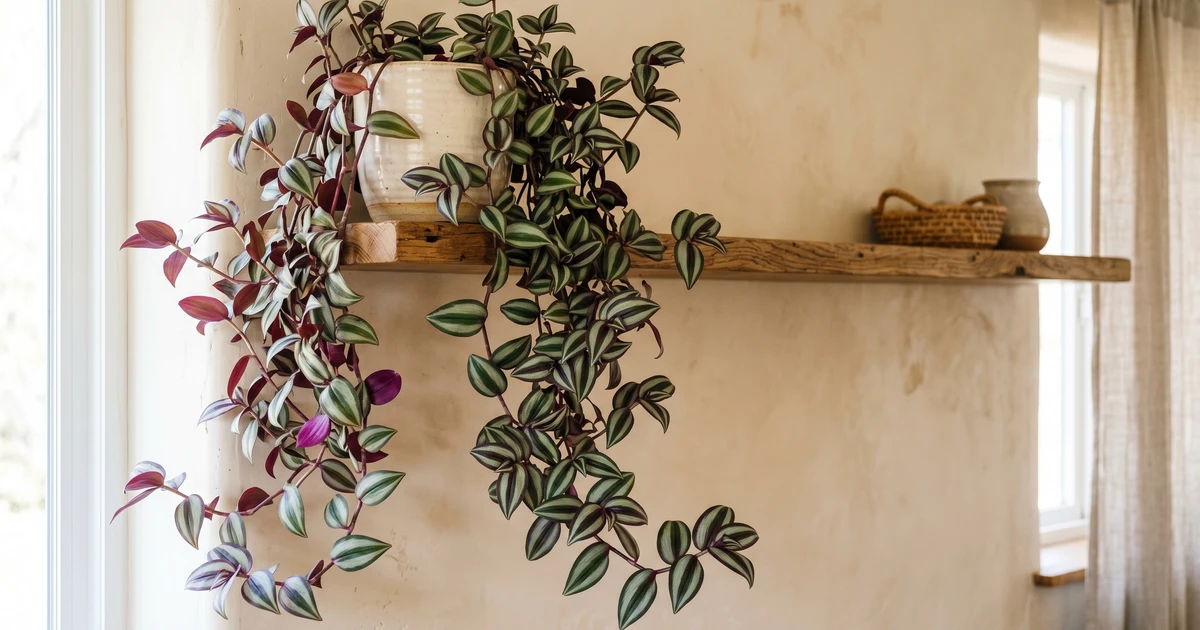
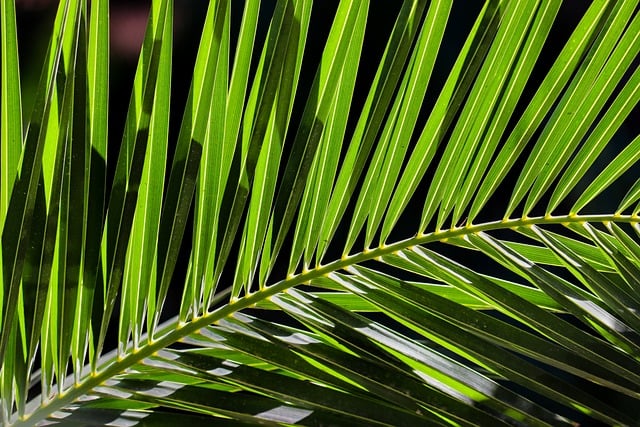
majesty palm
Ravenea rivularis
Evidence-based care guide for Majesty Palm (Ravenea rivularis). Covers symptom diagnosis, disease treatment and pest control. Our analysis draws from 8 verified community cases with an average confidence score of 91%. Each protocol is synthesized from real rescue outcomes, not generic advice.
Care Essentials
Get to Know Your Majesty Palm
Light is everything for this plant. Get the placement right and everything else falls into place.
Light
bright indirect
Wants bright, indirect light — sensitive to both extremes. Too much direct sun causes burns, too little causes stretching.
💡 Grow lights: Thrives under artificial grow lights (LED or fluorescent, 10-12 hours/day). A great option if your space lacks natural light.
Watering
every 7-10 days
Water when the top 1-2 inches of soil feel dry. Adjust with the seasons — less in winter, more in summer.
Humidity & Temperature
Loves higher humidity (60%+). If your air is dry, group it with other plants, use a pebble tray, or run a humidifier nearby.
Prefers moderate temperatures (60-80°F). Keep away from radiators and intense afternoon sun windows.
Soil
Standard well-draining potting mix works well. Add perlite for extra drainage if you tend to overwater.
Care Requirements
At a Glance
Care Profile in Development
While our detailed care profile is being compiled, you can find specific care guidance in the 0 care-related diagnoses below — including watering schedules, light requirements, and propagation methods from real-world cases.
Start Here
Most Common Problems
Based on 8 analyzed cases — these are the issues you're most likely to encounter
Don't see your symptom? Search all 8 topics below, or run the Diagnostic.
Majesty Palm: Pet Safe
Completely non-toxic. However, the grassy fronds are highly attractive to cats,...
Why does my Majesty Palm have spider mites?
Extremely common in low-humidity indoor environments (<40% RH). Spider mites...
Why do my Majesty Palm leaves have brown tips?
Salt/mineral buildup from tap water (fluoride, chlorine) and low ambient...
What are these brown spots on my Majesty Palm?
Fungal leaf spot (Phyllosticta) from stagnant air/overhead watering, or pest...
Majesty Palm: Crispy Leaves
Severe low ambient humidity (<40%) causing transpiration rates to exceed root...
Which of the 7 Killers
is threatening your plants?
We analyzed 1,616 documented plant deaths to identify the 7 causes behind 78% of all losses. Answer 5 questions — we'll tell you exactly which ones apply to your setup.
Skip the quiz — get The 7 Killers course ($19) →Question 1 of 5
How do you decide when to water your plants?
Question 2 of 5
Where do most of your plants live?
Question 3 of 5
What's your home environment like?
Question 4 of 5
Have you lost a plant in the last 6 months?
Question 5 of 5
How often do you check your plants for pests?
Your diagnosis is ready
We've identified your top 2 risk killers. Enter your email to see the full breakdown and your personalized rescue protocol.
Your plants are most at risk from:
The 7 Killers mini-course covers every one of these in depth — mechanism, rescue protocol, prevention. 1,616 cases. 7 lessons. $19.
Get The 7 Killers — $19 →Get the Plant Mortality Checklist
The 7 killers behind 78% of houseplant deaths — and the exact fix for each. Free PDF based on 1,616 documented cases.
Your checklist is ready!
We also sent it to your inbox. Check your email for the full download.
Open the ChecklistFree. No spam. Unsubscribe anytime.
Verified Data
All Diagnoses
8 topics consolidated from 8 documented cases. Expand any topic to see all protocols.
Symptoms (3 topics · 3 cases)
What are these brown spots on my Majesty Palm?
Fungal leaf spot (Phyllosticta) from stagnant air/overhead watering, or pest damage (scale/mites)
90%
What are these brown spots on my Majesty Palm?
Fungal leaf spot (Phyllosticta) from stagnant air/overhead watering, or pest damage (scale/mites)
Cause
Fungal leaf spot (Phyllosticta) from stagnant air/overhead watering, or pest damage (scale/mites). Also occurs as leaf scorch if water droplets act as lenses under intense light.
Solutions
- Apply copper fungicide or neem oil to treat fungal infections.
- Increase air circulation with a small fan to prevent spore settlement.
- Wipe raised bumps (scale) with 70% isopropyl alcohol.
- Avoid misting during peak sun hours to prevent focal burn spots.
- Transition to bottom-watering to keep foliage dry.
Prevention
Ensuring good airflow and avoiding foliage-wetting during high-intensity light periods.
Why do my Majesty Palm leaves have brown tips?
Salt/mineral buildup from tap water (fluoride, chlorine) and low ambient humidity (<40%)
90%
Why do my Majesty Palm leaves have brown tips?
Salt/mineral buildup from tap water (fluoride, chlorine) and low ambient humidity (<40%)
Cause
Salt/mineral buildup from tap water (fluoride, chlorine) and low ambient humidity (<40%). Majesty palms are highly sensitive to soil EC changes and transpiration stress.
Solutions
- Switch to distilled, reverse osmosis, or rainwater to eliminate mineral toxicity.
- Increase humidity to 50-70% using a humidifier or pebble tray.
- Flush the soil once a month to leach accumulated salts.
- Water when the top 1-2 inches of soil feel dry to maintain even moisture.
Prevention
Consistent use of filtered water and maintaining stable high humidity environments.
Why are my Majesty Palm leaves turning yellow?
Transplant shock, inconsistent watering (extreme dry-wet cycles), and low light coupled with dry air
85%
Why are my Majesty Palm leaves turning yellow?
Transplant shock, inconsistent watering (extreme dry-wet cycles), and low light coupled with dry air
Cause
Transplant shock, inconsistent watering (extreme dry-wet cycles), and low light coupled with dry air. Majesty palms struggle to acclimate to indoor conditions quickly.
Solutions
- Allow 2-4 weeks for acclimation post-repotting or moving.
- Maintain consistent even moisture�water when the top 1 inch is dry.
- Place in bright indirect light (east or west window).
- Regularly check leaf undersides for spider mites, which cause secondary yellowing.
Prevention
Stable environmental conditions and maintaining humidity above 50%.
Diseases (1 topics · 1 cases)
Why does my Majesty Palm have root rot?
Anaerobic conditions caused by stagnant water in non-draining pots or heavy soil
90%
Why does my Majesty Palm have root rot?
Anaerobic conditions caused by stagnant water in non-draining pots or heavy soil
Cause
Anaerobic conditions caused by stagnant water in non-draining pots or heavy soil. Unlike most palms, Majesty palms are semi-aquatic but require high oxygen levels (flowing water); stagnant moisture leads to rapid root decay.
Solutions
- Remove the plant and prune all mushy, black, or foul-smelling roots using sterilized shears.
- Repot in an airy, high-drainage mix consisting of orchid bark, charcoal, and perlite.
- Ensure the new pot has ample drainage; unglazed terracotta is preferred for its breathability.
- Implement a frequent leaching schedule: water until 25% drains out to refresh root oxygen levels.
- Elevate the pot on a wire stand to prevent the base from sitting in a waterlogged saucer.
Prevention
Never allow the plant to sit in a saucer of standing water; prioritize drainage over humidity if soil is heavy.
Pests (1 topics · 1 cases)
Why does my Majesty Palm have spider mites?
Extremely common in low-humidity indoor environments (<40% RH)
95%
Why does my Majesty Palm have spider mites?
Extremely common in low-humidity indoor environments (<40% RH)
Cause
Extremely common in low-humidity indoor environments (<40% RH). Spider mites (Tetranychus urticae) exploit the dry microclimate of Majesty Palm fronds, especially on new growth.
Solutions
- Isolate the plant to prevent spread to other houseplants.
- Thoroughly rinse all fronds with a high-pressure water stream (outdoors or in a shower).
- Apply neem oil or insecticidal soap, ensuring coverage of leaf undersides; repeat every 7 days for 3-4 weeks.
- Maintain humidity at 60-70% using a humidifier to deter reinfestation.
Prevention
Weekly inspections of new fronds and consistent high humidity.
Environment (1 topics · 1 cases)
Why does my Majesty Palm have sunburn?
Direct UV exposure on foliage not acclimated to high-intensity light
90%
Why does my Majesty Palm have sunburn?
Direct UV exposure on foliage not acclimated to high-intensity light
Cause
Direct UV exposure on foliage not acclimated to high-intensity light. Often occurs in west-facing windows or when moving plants outdoors. Water droplets on leaves can exacerbate burns via lensing.
Solutions
- Relocate the plant 3-5 feet back from direct sun sources.
- Use sheer curtains to provide the preferred bright indirect (filtered) light.
- Trim fully bleached or scorched fronds as they will not recover.
- Increase humidity to help the plant cope with transpiration stress during recovery.
Prevention
Acclimating the plant slowly (over 2 weeks) if increasing light intensity.
Other Topics (2 topics · 2 cases)
Majesty Palm: Crispy Leaves
Severe low ambient humidity (<40%) causing transpiration rates to exceed root uptake
90%
Majesty Palm: Crispy Leaves
Severe low ambient humidity (<40%) causing transpiration rates to exceed root uptake
Cause
Severe low ambient humidity (<40%) causing transpiration rates to exceed root uptake. Majesty palms are native to riverine habitats and cannot tolerate dry indoor air, leading to rapid edge/tip crisping.
Solutions
- Target a humidity level of 60-80% using a dedicated humidifier.
- Place the plant on a pebble tray with water to create a local microclimate.
- Ensure the soil remains evenly moist; unlike other palms, Majesty palms dislike drying out completely.
- Relocate the plant away from drafty areas or direct paths of heating/AC vents.
- Group with other high-transpiration plants to naturally boost local humidity.
Prevention
Using a hygrometer to monitor conditions and automating humidity during winter months.
Majesty Palm: Pet Safe
Completely non-toxic
95%
Majesty Palm: Pet Safe
Completely non-toxic
Cause
Completely non-toxic. However, the grassy fronds are highly attractive to cats, which can lead to overeating and subsequent vomiting of intact plant material.
Solutions
- No toxicity treatment needed.
- Clean up vomit and restrict access if the cat gorges on it.
Prevention
Provide cat grass (wheatgrass) nearby as an appealing alternative.
Common Questions
Frequently Asked Questions
Why does my majesty palm have Pet safe?
Cause: Completely non-toxic. However, the grassy fronds are highly attractive to cats, which can lead to overeating and subsequent vomiting of intact plant material.
Solution: No toxicity treatment needed.
Prevention: Provide cat grass (wheatgrass) nearby as an appealing alternative.
95% confidence · View full protocol →
Why does my majesty palm have Spider mites?
Cause: Extremely common in low-humidity indoor environments (<40% RH). Spider mites (Tetranychus urticae) exploit the dry microclimate of Majesty Palm fronds, especially on new growth.
Solution: Isolate the plant to prevent spread to other houseplants.
Prevention: Weekly inspections of new fronds and consistent high humidity.
95% confidence · View full protocol →
Why does my majesty palm have Brown tips?
Cause: Salt/mineral buildup from tap water (fluoride, chlorine) and low ambient humidity (<40%). Majesty palms are highly sensitive to soil EC changes and transpiration stress.
Solution: Switch to distilled, reverse osmosis, or rainwater to eliminate mineral toxicity.
Prevention: Consistent use of filtered water and maintaining stable high humidity environments.
90% confidence · View full protocol →
Why does my majesty palm have Brown spots?
Cause: Fungal leaf spot (Phyllosticta) from stagnant air/overhead watering, or pest damage (scale/mites). Also occurs as leaf scorch if water droplets act as lenses under intense light.
Solution: Apply copper fungicide or neem oil to treat fungal infections.
Prevention: Ensuring good airflow and avoiding foliage-wetting during high-intensity light periods.
90% confidence · View full protocol →
Why does my majesty palm have Crispy leaves?
Cause: Severe low ambient humidity (<40%) causing transpiration rates to exceed root uptake. Majesty palms are native to riverine habitats and cannot tolerate dry indoor air, leading to rapid edge/tip crisping.
Solution: Target a humidity level of 60-80% using a dedicated humidifier.
Prevention: Using a hygrometer to monitor conditions and automating humidity during winter months.
90% confidence · View full protocol →
Common Questions
Frequently Asked About Majesty Palm
What problems can Majesty Palm get?
Our database contains 8 documented Majesty Palm cases covering 8 distinct topics, including diseases, pest identification, environmental stress, propagation, and advanced care protocols — each with verified solutions.
Structured Learning
Ready to Go Deeper?
Explore our Mastery Packs for structured, video-based learning with step-by-step protocols from 20,000+ analyzed plant cases.
Browse All Courses →