Low Light on orchid
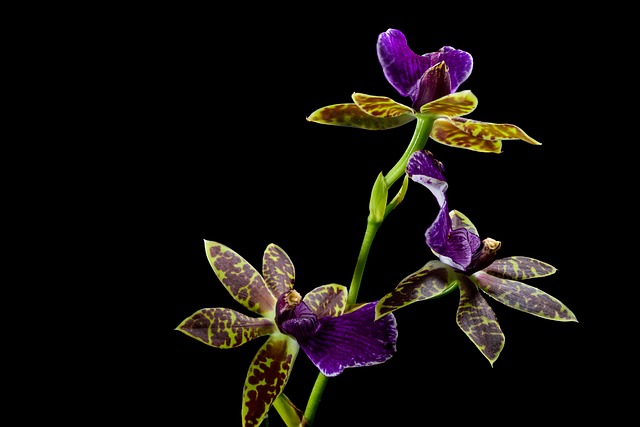
What's Happening
Orchids occupy a unique ecological niche in forest canopies where they receive filtered, dappled light that varies dramatically throughout the day. Their photosynthetic apparatus evolved for bright indirect light (2000-4000 foot-candles for Phalaenopsis, higher for Cattleya/Oncidium), not the deep shade most houseplant owners assume. Insufficient light (<1000 fc) triggers etiolation—stretching growth with elongated, thin leaves that are pale green and floppy. The plant attempts to increase light capture surface area while reducing chlorophyll density per cell, resulting in weak, structurally compromised foliage. Paradoxically, orchids also cannot tolerate direct sun exposure which causes photoinhibition and cellular damage. The ideal mimics their native canopy environment: bright, diffused light with brief sunflecks.
How to Fix It
- 1
Measure current light: Use light meter app or device; orchids need 2000-4000 fc for optimal growth (Phalaenopsis) or 3000-5000 fc (Cattleya/Dendrobium)
- 2
Relocate to bright indirect light: East-facing windows are ideal; south/west windows require sheer curtain diffusion; north windows often insufficient except in summer
- 3
Rotate weekly: Quarter-turn rotation ensures even light distribution and prevents lopsided growth toward window
- 4
Supplement with grow lights: If natural light is inadequate, use full-spectrum LED grow lights positioned 12-18 inches above foliage; provide 12-14 hours daily with timer
- 5
Acclimate gradually: When increasing light levels, do so over 7-10 days to prevent sunburn; sudden bright light exposure damages leaves adapted to low light
- 6
Monitor leaf color: Dark green, floppy leaves indicate insufficient light; aim for lighter grass-green with firm texture
How to Prevent It
Position orchids within 3 feet of east-facing windows or 4-6 feet of south/west windows with diffusion; use light-colored walls/reflectors to maximize available light; avoid deep interior locations; supplement with grow lights October-March when natural light diminishes; maintain consistent light levels rather than dramatic seasonal variations.