philodendron gloriosum
Philodendron gloriosum
Evidence-based care guide for Philodendron Gloriosum (Philodendron gloriosum). Covers symptom diagnosis. Our analysis draws from 4 verified community cases with an average confidence score of 88%. Each protocol is synthesized from real rescue outcomes, not generic advice.
Care Essentials
Get to Know Your Philodendron Gloriosum
The #1 killer? Overwatering. Let the soil dry between waterings and your Philodendron Gloriosum will thrive.
Light
medium to bright indirect
Most comfortable in medium to bright indirect light. Avoid prolonged direct sun exposure.
💡 Grow lights: Thrives under artificial grow lights (LED or fluorescent, 10-12 hours/day). A great option if your space lacks natural light.
Watering
every 10-14 days
Let the soil dry out significantly between waterings — this plant is very sensitive to overwatering. When in doubt, wait another day.
Humidity & Temperature
Appreciates some humidity but adapts to average home conditions. Brown tips in winter? Your air might be too dry — a light misting helps.
Standard room temperature (60-80°F / 15-27°C) is perfect. Avoid cold drafts and sudden temperature swings.
Soil
Standard well-draining potting mix works well. Add perlite for extra drainage if you tend to overwater.
Care Requirements
At a Glance
Care Profile in Development
While our detailed care profile is being compiled, you can find specific care guidance in the 2 care-related diagnoses below — including watering schedules, light requirements, and propagation methods from real-world cases.
Go Deeper
Philodendron Rare Guide Pack
The complete protocol: advanced care, seasonal calendars, and rescue modules. Everything on this page, plus video walkthroughs.
Start Here
Most Common Problems
Based on 4 analyzed cases — these are the issues you're most likely to encounter
Don't see your symptom? Search all 4 topics below, or run the Diagnostic.
What are these brown spots on my Philodendron Gloriosum?
Philodendron gloriosum naturally produces extrafloral nectaries (EFTs) - small...
Why are my Philodendron Gloriosum leaves turning yellow?
Philodendron gloriosum develops yellow leaves after relocation or repotting due...
Creeping Rhizome Care: Philodendron Gloriosum Guide
Philodendron gloriosum is a creeping aroid that grows horizontally via...
Gloriosum Care: Philodendron Gloriosum Guide
Philodendron gloriosum is a terrestrial (creeping/crawling) species native to...
Which of the 7 Killers
is threatening your plants?
We analyzed 1,616 documented plant deaths to identify the 7 causes behind 78% of all losses. Answer 5 questions — we'll tell you exactly which ones apply to your setup.
Skip the quiz — get The 7 Killers course ($19) →Question 1 of 5
How do you decide when to water your plants?
Question 2 of 5
Where do most of your plants live?
Question 3 of 5
What's your home environment like?
Question 4 of 5
Have you lost a plant in the last 6 months?
Question 5 of 5
How often do you check your plants for pests?
Your diagnosis is ready
We've identified your top 2 risk killers. Enter your email to see the full breakdown and your personalized rescue protocol.
Your plants are most at risk from:
The 7 Killers mini-course covers every one of these in depth — mechanism, rescue protocol, prevention. 1,616 cases. 7 lessons. $19.
Get The 7 Killers — $19 →Get the Plant Mortality Checklist
The 7 killers behind 78% of houseplant deaths — and the exact fix for each. Free PDF based on 1,616 documented cases.
Your checklist is ready!
We also sent it to your inbox. Check your email for the full download.
Open the ChecklistFree. No spam. Unsubscribe anytime.
Verified Data
All Diagnoses
4 topics consolidated from 4 documented cases. Expand any topic to see all protocols.
Symptoms (2 topics · 2 cases)
What are these brown spots on my Philodendron Gloriosum?
Philodendron gloriosum naturally produces extrafloral nectaries (EFTs) - small glands on leaf surfaces that exude sugary secretions
89%
What are these brown spots on my Philodendron Gloriosum?
Philodendron gloriosum naturally produces extrafloral nectaries (EFTs) - small glands on leaf surfaces that exude sugary secretions
Cause
Philodendron gloriosum naturally produces extrafloral nectaries (EFTs) - small glands on leaf surfaces that exude sugary secretions. These appear as brown spots with clear or amber ooze and are often mistaken for bacterial infection, pest damage, or disease. EFTs serve an evolutionary purpose for ant attraction in the plant's native habitat. Unlike bacterial spots which spread rapidly with yellow halos or fungal spots which have defined margins and fuzzy growth, EFTs remain stable in size and location without spreading to other leaves.
Solutions
- Inspect spots under 10x magnification: EFTs appear as distinct glandular structures without webbing, frass, or insect presence
- If no pests found and plant shows overall vigor: Confirm as normal EFTs and wipe spots gently with damp cloth
- Maintain normal care routine - EFTs require no treatment and indicate healthy metabolic function
- Monitor for 2 weeks: bacterial/fungal issues would spread; EFTs remain static
- If uncertain: Isolate plant and observe; true pathogens worsen rapidly while EFTs stay stable
Prevention
Acclimate new plants in quarantine for 2-4 weeks to learn species-specific normal features; research plant-specific traits before purchase; maintain 60-80% humidity and bright indirect light to minimize stress that confuses symptom interpretation.
Why are my Philodendron Gloriosum leaves turning yellow?
Philodendron gloriosum develops yellow leaves after relocation or repotting due to transplant shock affecting its rhizomatous growth habit
88%
Why are my Philodendron Gloriosum leaves turning yellow?
Philodendron gloriosum develops yellow leaves after relocation or repotting due to transplant shock affecting its rhizomatous growth habit
Cause
Philodendron gloriosum develops yellow leaves after relocation or repotting due to transplant shock affecting its rhizomatous growth habit. Unlike vining philodendrons, gloriosum creeps horizontally via underground rhizomes and prioritizes new growth over old leaf maintenance during stress. Yellowing typically affects the oldest leaves first while new growth (cataphyll/growth tip) remains healthy - a key diagnostic differentiator from root rot where new growth also shows distress.
Solutions
- Inspect growth tip condition: healthy tips appear smooth and firm; curling, mushy, or puckered tips indicate root rot requiring immediate intervention
- If growth tip is healthy: Allow yellow leaves to fully senesce (dry) before removing - plant is reallocating nutrients
- Maintain consistent 70-90% humidity via pebble tray, humidifier, or grouping with other plants
- Provide bright indirect light (1500-3000 lux) and avoid direct sun which exacerbates stress
- Repot only if roots are severely compacted; use well-draining aroid mix with 40% bark/perlite
Prevention
Acclimate new plants gradually over 2 weeks by maintaining nursery-level humidity (80%+) initially; avoid repotting for 6-8 weeks post-purchase; position in stable microclimate away from drafts; monitor growth tip weekly as primary health indicator for rhizomatous aroids.
Care Methods (2 topics · 2 cases)
Creeping Rhizome Care: Philodendron Gloriosum Guide
Philodendron gloriosum is a creeping aroid that grows horizontally via underground rhizomes, unlike climbing philodendrons
87%
Creeping Rhizome Care: Philodendron Gloriosum Guide
Philodendron gloriosum is a creeping aroid that grows horizontally via underground rhizomes, unlike climbing philodendrons
Cause
Philodendron gloriosum is a creeping aroid that grows horizontally via underground rhizomes, unlike climbing philodendrons. When potted in standard upright containers, the rhizome becomes constrained, causing stress that manifests as slowed growth, smaller leaves, and yellowing. The plant's growth habit requires space to creep horizontally - traditional pot shapes force the rhizome to curl or compress, restricting nutrient flow and causing root-bound stress even when pot volume seems adequate.
Solutions
- Repot into wide, shallow containers (bonsai pots or bulb pans work excellently)
- Ensure pot is 2-3 times wider than it is deep to accommodate creeping habit
- Allow 6-8 inches of horizontal space for rhizome extension
- Refresh soil annually as creeping plants exhaust substrate nutrients more rapidly
- Gently reposition rhizome to crawl horizontally across soil surface rather than burying deeply
Prevention
Select shallow, wide containers from initial planting; position the rhizome horizontally at soil surface level; repot every 12-18 months into progressively wider pots; use well-draining chunky aroid mix to support root health along extended rhizome.
Gloriosum Care: Philodendron Gloriosum Guide
Philodendron gloriosum is a terrestrial (creeping/crawling) species native to Colombia, not a climber
86%
Gloriosum Care: Philodendron Gloriosum Guide
Philodendron gloriosum is a terrestrial (creeping/crawling) species native to Colombia, not a climber
Cause
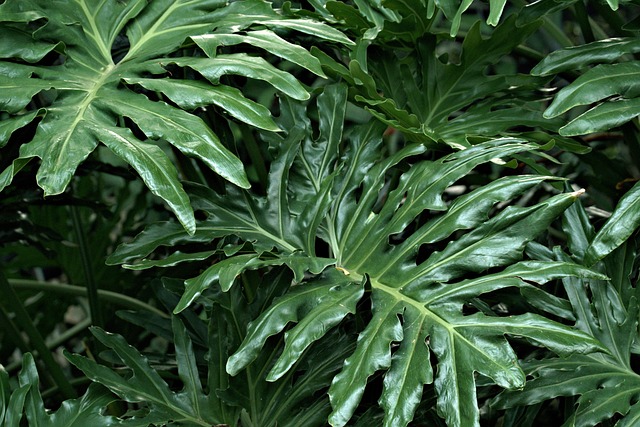
Philodendron gloriosum is a terrestrial (creeping/crawling) species native to Colombia, not a climber. It produces large heart-shaped velvety leaves with prominent white veins from a creeping rhizome that grows horizontally along the soil surface. Unlike climbing philodendrons, it does not produce climbing aerial roots and will not climb supports. The species requires high humidity (70-80%) and is sensitive to transplant shock, often dropping older leaves when moved or repotted.
Solutions
- Use wide shallow containers—rhizome creeps horizontally, not vertically
- Position rhizome at soil surface—burying it causes rot
- Maintain high humidity (70%+) to prevent crispy leaf edges
- Allow top inch of soil to dry between waterings—terrestrial types are less drought-tolerant than climbers
- Acclimate gradually after purchase—expect some older leaf yellowing as the plant adjusts
Prevention
Use wide shallow pots to accommodate horizontal rhizome growth; maintain 70-80% humidity via humidifier or pebble trays; avoid repotting unless necessary; use chunky well-draining mix; provide bright indirect light without direct sun exposure.
Common Questions
Frequently Asked Questions
Why does my philodendron gloriosum have Brown spots from extrafloral nectaries?
Cause: Philodendron gloriosum naturally produces extrafloral nectaries (EFTs) - small glands on leaf surfaces that exude sugary secretions. These appear as brown spots with clear or amber ooze and are often mistaken for bacterial infection, pest damage, or disease. EFTs serve an evolutionary purpose for ant attraction in the plant's native habitat. Unlike bacterial spots which spread rapidly with yellow halos or fungal spots which have defined margins and fuzzy growth, EFTs remain stable in size and location without spreading to other leaves.
Solution: Inspect spots under 10x magnification: EFTs appear as distinct glandular structures without webbing, frass, or insect presence
Prevention: Acclimate new plants in quarantine for 2-4 weeks to learn species-specific normal features; research plant-specific traits before purchase; maintain 60-80% humidity and bright indirect light to minimize stress that confuses symptom interpretation.
89% confidence · View full protocol →
Why does my philodendron gloriosum have Yellow leaves from transplant shock?
Cause: Philodendron gloriosum develops yellow leaves after relocation or repotting due to transplant shock affecting its rhizomatous growth habit. Unlike vining philodendrons, gloriosum creeps horizontally via underground rhizomes and prioritizes new growth over old leaf maintenance during stress. Yellowing typically affects the oldest leaves first while new growth (cataphyll/growth tip) remains healthy - a key diagnostic differentiator from root rot where new growth also shows distress.
Solution: Inspect growth tip condition: healthy tips appear smooth and firm; curling, mushy, or puckered tips indicate root rot requiring immediate intervention
Prevention: Acclimate new plants gradually over 2 weeks by maintaining nursery-level humidity (80%+) initially; avoid repotting for 6-8 weeks post-purchase; position in stable microclimate away from drafts; monitor growth tip weekly as primary health indicator for rhizomatous aroids.
88% confidence · View full protocol →
Why does my philodendron gloriosum have Creeping rhizome care?
Cause: Philodendron gloriosum is a creeping aroid that grows horizontally via underground rhizomes, unlike climbing philodendrons. When potted in standard upright containers, the rhizome becomes constrained, causing stress that manifests as slowed growth, smaller leaves, and yellowing. The plant's growth habit requires space to creep horizontally - traditional pot shapes force the rhizome to curl or compress, restricting nutrient flow and causing root-bound stress even when pot volume seems adequate.
Solution: Repot into wide, shallow containers (bonsai pots or bulb pans work excellently)
Prevention: Select shallow, wide containers from initial planting; position the rhizome horizontally at soil surface level; repot every 12-18 months into progressively wider pots; use well-draining chunky aroid mix to support root health along extended rhizome.
87% confidence · View full protocol →
Why does my philodendron gloriosum have Gloriosum care?
Cause: Philodendron gloriosum is a terrestrial (creeping/crawling) species native to Colombia, not a climber. It produces large heart-shaped velvety leaves with prominent white veins from a creeping rhizome that grows horizontally along the soil surface. Unlike climbing philodendrons, it does not produce climbing aerial roots and will not climb supports. The species requires high humidity (70-80%) and is sensitive to transplant shock, often dropping older leaves when moved or repotted.
Solution: Use wide shallow containers—rhizome creeps horizontally, not vertically
Prevention: Use wide shallow pots to accommodate horizontal rhizome growth; maintain 70-80% humidity via humidifier or pebble trays; avoid repotting unless necessary; use chunky well-draining mix; provide bright indirect light without direct sun exposure.
86% confidence · View full protocol →
Common Questions
Frequently Asked About Philodendron Gloriosum
What problems can Philodendron Gloriosum get?
Our database contains 4 documented Philodendron Gloriosum cases covering 4 distinct topics, including diseases, pest identification, environmental stress, propagation, and advanced care protocols — each with verified solutions.
Master This Plant
Want the Complete Protocol?
Get the Philodendron Rare Guide Pack with video walkthroughs, seasonal calendars, and advanced rescue techniques not covered in the free guides.