Root Rot on rhaphidophora tetrasperma
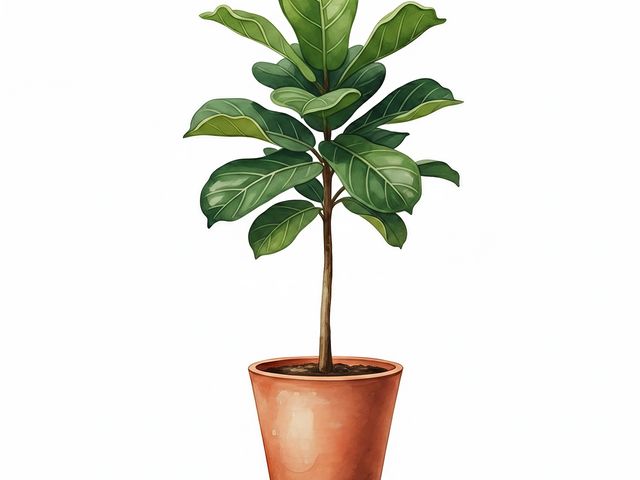
What's Happening
Rhaphidophora tetrasperma has evolved for tropical understory conditions with well-draining forest floor substrates. Root rot develops when soil remains saturated for 7+ days, creating anaerobic conditions below 2mg/L dissolved oxygen. The fine, fibrous root system is particularly susceptible to hypoxic damage.
How to Fix It
- 1
Inspect immediately: Unpot and examine root color—healthy roots are white/cream and firm
- 2
Identify rot: Trim ALL brown/black, mushy, or foul-smelling roots with sterilized scissors
- 3
Sterilize remaining tissue: Treat cut ends with cinnamon or 3% hydrogen peroxide dilution
- 4
Repot in fresh mix: Use 50% orchid bark, 30% perlite, 20% potting soil for maximum aeration
- 5
Recovery care: Water only after 7 days post-repotting; maintain 65-75°F and 60%+ humidity
- 6
Timeline: Expect 4-6 weeks for root recovery before new growth resumes
How to Prevent It
Water only when top 2 inches of soil are dry; use chunky aroid mix (50% bark/perlite); ensure drainage holes allow water exit within 30 seconds; avoid oversized pots that retain excess moisture; maintain bright indirect light to support transpiration.