Fenestration Development on rhaphidophora tetrasperma
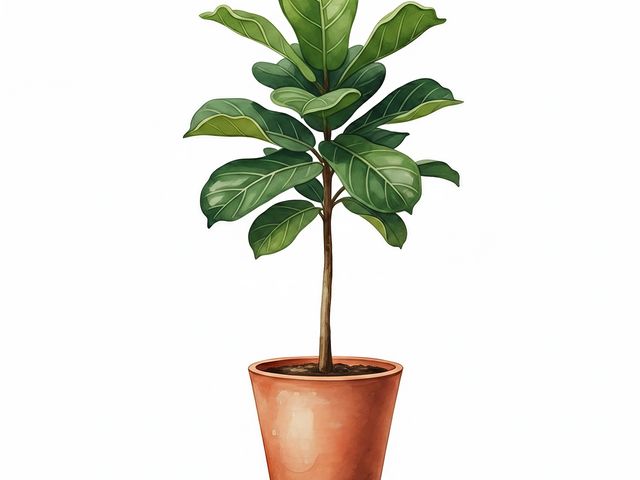
What's Happening
Fenestration (natural leaf splits) in Rhaphidophora tetrasperma develops when plants transition from juvenile to mature growth phase, triggered by adequate light intensity supporting robust photosynthesis. Research demonstrates that climbing plants allocate more biomass to stems under higher light (20.1 µmol m⁻² s⁻¹), altering morphology. Juvenile leaves remain entire (unsplit) until the plant reaches maturity markers: stem diameter >8mm, climbing support attachment, and minimum 6-8 nodes from base.
How to Fix It
- 1
Provide climbing support early: Install moss pole or trellis when plant has 4-6 leaves to encourage vertical growth habit
- 2
Ensure adequate light: Minimum 1500 lux for fenestration initiation; 2500+ lux for consistent split development
- 3
Allow plant to climb: Horizontal/trailing growth maintains juvenile morphology; vertical climbing triggers maturity
- 4
Be patient: First fenestrated leaves typically emerge after 8-12 months of proper growing conditions
- 5
Maintain humidity above 60% to support the larger leaf surface area of mature foliage
How to Prevent It
Start with climbing support from day one. Position in bright indirect light rather than low light corners. Understand that fenestration is a maturity marker—seedlings and young plants will not produce split leaves regardless of conditions.