
PANEL 1411-P07 New finding: humidity ≠ brown tips in 96% of cases EVIDENCE Monstera fenestration linked to light hours, not age GRAIL 2,703 verified diagnoses and counting STUDY Overwatering confirmed as #1 killer across all species NEW Snake plant rot rescue protocol updated DATA 20,000+ raw cases analyzed across 216 species PANEL 1411-P07 New finding: humidity ≠ brown tips in 96% of cases EVIDENCE Monstera fenestration linked to light hours, not age GRAIL 2,703 verified diagnoses and counting STUDY Overwatering confirmed as #1 killer across all species NEW Snake plant rot rescue protocol updated DATA 20,000+ raw cases analyzed across 216 species
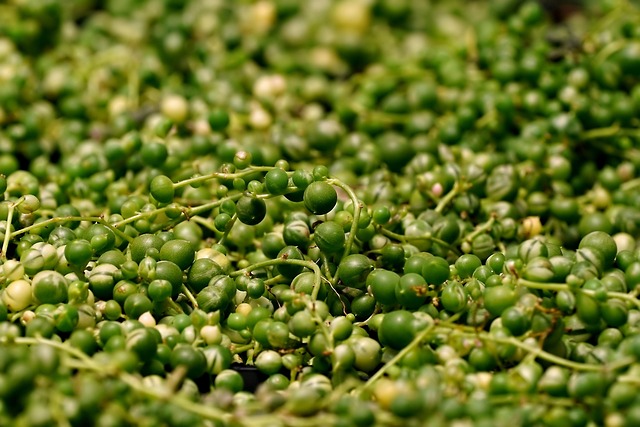
String Of Pearls — care guide and common problems
String Of Pearls

string of pearls

Curio rowleyanus

Also known as: Senecio Rowleyanus

Evidence-based care guide for String Of Pearls (Curio rowleyanus). Covers disease treatment, pest control, propagation methods, watering and care. Our analysis draws from 32 verified community cases with an average confidence score of 84%. Each protocol is synthesized from real rescue outcomes, not generic advice.

32 diagnoses
Avg. confidence 84%

Care Essentials

Get to Know Your String Of Pearls

The #1 killer? Overwatering. Let the soil dry between waterings and your String Of Pearls will thrive.

Light

bright indirect

Wants bright, indirect light — sensitive to both extremes. Too much direct sun causes burns, too little causes stretching.

💡 Grow lights: Thrives under artificial grow lights (LED or fluorescent, 10-12 hours/day). A great option if your space lacks natural light.

Watering

every 10-14 days

Let the soil dry out significantly between waterings — this plant is very sensitive to overwatering. When in doubt, wait another day.

Humidity & Temperature

Loves higher humidity (60%+). If your air is dry, group it with other plants, use a pebble tray, or run a humidifier nearby.

Prefers moderate temperatures (60-80°F). Keep away from radiators and intense afternoon sun windows.

Soil

Needs well-draining soil — add perlite or orchid bark to a standard potting mix. Good drainage is critical to prevent root rot.

⚠️ May be toxic to pets. Keep out of reach of cats, dogs, and small children.
Difficulty intermediate

Care Requirements

At a Glance

Care Profile in Development

While our detailed care profile is being compiled, you can find specific care guidance in the 11 care-related diagnoses below — including watering schedules, light requirements, and propagation methods from real-world cases.

Start Here

Most Common Problems

Based on 32 analyzed cases — these are the issues you're most likely to encounter

Don't see your symptom? Search all 20 topics below, or run the Diagnostic.

Free Diagnostic

Which of the 7 killers is threatening your plants? Take the 60-second quiz — we'll tell you exactly.

60 seconds · Free

Which of the 7 Killers
is threatening your plants?

We analyzed 1,616 documented plant deaths to identify the 7 causes behind 78% of all losses. Answer 5 questions — we'll tell you exactly which ones apply to your setup.

Skip the quiz — get The 7 Killers course ($19) →

Question 1 of 5

How do you decide when to water your plants?

Question 2 of 5

Where do most of your plants live?

Question 3 of 5

What's your home environment like?

Question 4 of 5

Have you lost a plant in the last 6 months?

Question 5 of 5

How often do you check your plants for pests?

🔬

Your diagnosis is ready

We've identified your top 2 risk killers. Enter your email to see the full breakdown and your personalized rescue protocol.

No spam. One-click unsubscribe anytime.

Your Plant Mortality Diagnosis

Your plants are most at risk from:

The 7 Killers: What 1,616 Dead Houseplants Taught Us — $19 mini-course

The 7 Killers mini-course covers every one of these in depth — mechanism, rescue protocol, prevention. 1,616 cases. 7 lessons. $19.

Get The 7 Killers — $19 →

Read the full mortality report (free) →

Get the Plant Mortality Checklist

The 7 killers behind 78% of houseplant deaths — and the exact fix for each. Free PDF based on 1,616 documented cases.

Free. No spam. Unsubscribe anytime.

Verified Data

All Diagnoses

20 topics consolidated from 32 documented cases. Expand any topic to see all protocols.

Diseases (3 topics · 5 cases)

String Of Pearls: Mold Recurrence

Mold recurrence on String of Pearls typically indicates chronic overwatering patterns rather than isolated incidents

82%
Cause

Mold recurrence on String of Pearls typically indicates chronic overwatering patterns rather than isolated incidents. The succulent's leaf epidermal slits—translucent when hydrated, closing when water-stressed—provide clear visual cues that are often ignored. When watering occurs before these slits close and pearls lose translucency, soil remains perpetually moist, creating ideal fungal breeding grounds even with well-draining mix.

Solutions
  • Visual diagnosis: Inspect individual pearls for epidermal slits—translucent lines indicate hydrated plant, closed opaque pearls signal water needs
  • Repotting assessment: If mold has appeared more than twice in same soil, complete repotting is required using fresh mix with 50%+ drainage amendments
  • Container selection: Switch to shallow terracotta pot matching root depth (typically 2-3 inches maximum); deep pots retain excess moisture around shallow roots
  • Watering method: Transition to bottom watering exclusively—place pot in shallow water tray for 10-20 minutes until soil wicks up moisture from below, then remove
  • Soil refresh: Replace entire soil volume every 12 months as organic components break down and lose drainage capacity
  • Airflow improvement: Position small fan to provide gentle air circulation across soil surface to accelerate drying without desiccating plant
Prevention

Learn visual thirst indicators: String of Pearls pearls develop visible epidermal slits that appear as fine lines when well-hydrated; these close and pearls become opaque when plant needs water. Only water when slits are completely closed and pearls feel firm rather than squishy. Bottom-water by placing pot in shallow water tray for 10-20 minutes to control saturation levels.

What is the best soil mix for String Of Pearls?

Surface white mold on String of Pearls soil is saprophytic fungal growth (typically Penicillium or Aspergillus species) triggered by persistently moist conditions from overwatering, inadequate drainage, or poor airflow

85%
Cause

Surface white mold on String of Pearls soil is saprophytic fungal growth (typically Penicillium or Aspergillus species) triggered by persistently moist conditions from overwatering, inadequate drainage, or poor airflow. The succulent's shallow root system is particularly vulnerable to anaerobic conditions when soil remains wet for extended periods. This differs from root rot only in timing—mold is the early warning signal before pathogens colonize the root zone.

Solutions
  • Immediate removal: Gently scrape off visible mold from soil surface using a spoon without disturbing shallow roots
  • Aeration protocol: Insert bamboo chopstick or skewer into soil at 3-4 locations to create air channels and break up compacted wet pockets
  • Top-dress replacement: Remove top 1-2 inches of moldy soil and replace with fresh sterile succulent mix
  • Natural antifungal: Sprinkle thin layer of ground cinnamon on soil surface; cinnamon contains cinnamaldehyde which inhibits fungal spore germination
  • Dry-out cycle: Allow soil to dry completely before next watering; use wooden skewer test—insert 3 inches deep, remove and check for moisture
  • Environmental adjustment: Increase airflow with small oscillating fan and ensure bright indirect light (6+ hours) to promote transpiration and soil drying
Prevention

Use gritty well-draining mix with minimum 50% inorganic amendments (perlite, pumice, or coarse sand). Select unglazed terracotta pots that wick moisture through porous walls. Water only when top 2-3 inches of soil are completely dry—typically every 2-3 weeks indoors depending on environmental conditions.

Why does my String Of Pearls have root rot?

Overwatering causes rapid stem and root collapse in SOP

3 protocols 89–90%

Protocol 1: root rot · 90% confidence

Cause

Overwatering causes rapid stem and root collapse in SOP. Beginners often misinterpret the resulting shriveled pearls as 'underwatering' and add more water, accelerating the rot.

Solutions
  • Prune healthy green strings at least 1 inch above the mushy/brown rot line.
  • Allow cuttings to callus (dry) for 24-48 hours before placing on fresh, dry soil.
  • Use the 'butterfly method': pin nodes to soil using bobby pins to encourage faster rooting.
Prevention

Never water on a schedule. Use a gritty mix (70% inorganic) and terracotta pots to ensure roots can breathe.

Protocol 2: root rot · 90% confidence

Cause

Root rot in String of Pearls occurs when perpetually moist soil creates anaerobic conditions allowing Pythium, Fusarium, and other pathogens to colonize shallow, thin roots. Senecio rowleyanus stems (modified leaves) store water but rot rapidly in waterlogged conditions.

Solutions
  • 1. Inspect stems and beads for firm, plump, non-mushy sections; discard any softened/rotted parts
  • 2. Take 4-6 inch healthy cuttings, remove lowest pearls, let callous 1-2 days in shade
  • 3. Propagate in water (change every 2-3 days) or perlite/vermiculite mix
  • 4. Transplant rooted cuttings to cactus mix with perlite once roots form (3-7 days)
  • 5. Water sparingly only when soil fully dry between waterings
Prevention

Source plants from reputable sellers with dry, airy displays. Use unglazed terracotta pots with drainage holes and 50-70% inorganic soil mix. Water only when top 2 inches are dry (every 2-3 weeks indoors).

Protocol 3: root rot hydrogen peroxide · 89% confidence

Cause

Advanced root rot in String of Pearls involves anaerobic bacterial and fungal pathogens (Pythium, Fusarium) that colonize compromised root tissue. Standard trimming alone may leave residual pathogen load. Hydrogen peroxide (H2O2) provides oxygenation and oxidative sterilization to eliminate remaining pathogens and jumpstart recovery.

Solutions
  • Unpot and trim all rotted roots as standard protocol
  • Prepare 3% hydrogen peroxide solution (standard pharmacy concentration)
  • Soak remaining healthy roots for 20 minutes to oxygenate tissue and kill surface pathogens
  • Rinse thoroughly with distilled water to remove residual peroxide
  • Dust cut ends with cinnamon powder as additional antifungal barrier
  • Allow 48-hour callusing period before repotting in fresh dry mix
  • Wait 7 days after repotting before first watering to ensure wound sealing
Prevention

Use H2O2 prophylactically when unpotting any String of Pearls showing stress signs. Maintain sterile tools when trimming. Quarantine recovering plants for 30 days post-treatment.

Pests (3 topics · 8 cases)

Why does my String Of Pearls have fungus gnats?

Fungus gnats (Bradysia spp

2 protocols 78–80%

Protocol 1: fungus gnats · 80% confidence

Cause

Fungus gnats (Bradysia spp.) infest String of Pearls when soil remains moist for extended periods, particularly in propagation pots where cuttings retain moisture longer than established plants. The larvae feed on organic matter in soil and can damage the shallow, fibrous root system if populations grow unchecked. Adult gnats emerge first, but their presence indicates active larval colonies in the rhizosphere.

Solutions
  • Monitor population: Deploy yellow sticky traps at soil level to capture adult gnats and assess infestation severity
  • Mechanical removal: Use vacuum cleaner hose attachment after gently agitating soil surface to flush out adult gnats; repeat daily until population declines
  • Larval control: Apply food-grade diatomaceous earth (DE) as top-dressing to soil surface; DE dehydrates larvae and pupae on contact
  • Soil drench option: Treat with neem oil or 3% hydrogen peroxide diluted 1:4 with water applied as soil drench to target larvae; repeat weekly for 3 weeks
  • Biological control: Introduce beneficial nematodes (Steinernema feltiae) to soil to parasitize gnat larvae
  • Dry-out protocol: Allow top 2-3 inches of soil to dry completely between waterings to break gnat life cycle which requires moist conditions for reproduction
Prevention

Use gritty, fast-draining succulent mix with minimum 50% perlite or pumice to prevent moisture retention. Allow soil to dry completely between waterings—typically 2-3 weeks indoors. Elevate pots on feet or pebble trays to improve airflow beneath containers.

Protocol 2: propagation fungus gnats · 78% confidence

Cause

String of Pearls propagated as small cuttings or purchased as immature 'baby' plants are especially vulnerable to fungus gnat establishment because the reduced root mass cannot uptake water efficiently, leaving soil moist for extended periods. The small pot volume relative to cutting size creates saturated conditions that adult gnats seek for egg-laying. Unlike established plants, propagations cannot tolerate the dry-out periods needed to break gnat life cycles.

Solutions
  • Pot assessment: Evaluate if container is appropriately sized—pot should be only 1 inch larger than root ball; excess soil volume retains unwanted moisture
  • Substrate adjustment: Repot in mix with 60% perlite or pumice and 40% succulent soil to maximize drainage for small root systems
  • Watering modification: Switch to bottom watering exclusively for propagations—place pot in shallow water tray for 10 minutes, then remove to prevent surface saturation
  • Top-dress barrier: Apply 1/4 inch layer of coarse sand or fine gravel to soil surface to deter adult gnats from accessing soil for egg-laying
  • Sticky trap placement: Position yellow sticky traps horizontally at soil level rather than vertically to intercept low-flying adults
  • Propagation backup: Take additional healthy cuttings from mother plant and root in fresh sterile perlite as insurance against gnat-related decline
Prevention

Quarantine all new cuttings and small plants for minimum 21 days before integrating with main collection. Use propagation medium with 60%+ inorganic drainage amendments rather than standard potting soil. Position small fan to provide gentle air circulation around propagation trays.

Why does my String Of Pearls have mealybugs?

Mealybugs (Pseudococcidae) exploit the String of Pearls' unique architecture by establishing colonies at the base of pearls where the spherical leaves meet the stem

3 protocols 85–88%

Protocol 1: mealybugs · 88% confidence

Cause

Mealybugs (Pseudococcidae) exploit the String of Pearls' unique architecture by establishing colonies at the base of pearls where the spherical leaves meet the stem. The waxy, cottony egg sacs blend with the plant's natural farina coating, making detection difficult until populations reach critical mass. Indoor ant species frequently farm mealybugs for honeydew, creating a mutualistic relationship that sustains reinfestation even after surface treatments.

Solutions
  • Targeted inspection: Use toothpick or bamboo skewer to gently part pearl clusters at stem joints; look for white cottony masses and sticky honeydew residue
  • Manual removal: Scrape visible mealybugs with toothpick and kill immediately; dab remaining individuals with 70% isopropyl alcohol on cotton swab
  • Alcohol treatment: Apply full-strength rubbing alcohol with spray bottle targeting pearl bases and soil surface where nymphs hide; repeat every 3-5 days for 2 weeks
  • Ant colony elimination: Deploy liquid ant bait (Terro or similar borax formula) near plant without disturbing trails; allow 1-2 weeks for colony collapse
  • Soil drench: For root mealybugs, unpot plant and treat with 3% hydrogen peroxide diluted 1:10 or systemic imidacloprid to reach hidden populations
  • Quarantine protocol: Isolate treated plant for minimum 4 weeks; inspect weekly with 10x loupe for surviving nymphs
Prevention

Inspect all new plants under bright light with magnification before introducing to collection. Place borax-based ant bait stations near plant shelves to eliminate ant colonies that protect and transport mealybugs. Maintain 40-50% humidity and excellent airflow to deter pest establishment.

Protocol 2: mealybugs systemic treatment · 88% confidence

Cause

String of Pearls' dense, trailing growth makes complete contact treatment of mealybugs difficult. Pests hide in protected stem joints and undersides of pearls. Systemic insecticides (imidacloprid) provide internal protection by making plant sap toxic to feeding insects, addressing the harborage problem that contact treatments miss.

Solutions
  • For light infestations: Use 70% isopropyl alcohol on cotton swabs to dab visible mealybugs
  • For moderate infestations: Apply neem oil spray (1 tsp per quart water) every 5-7 days for 3 weeks
  • For heavy infestations: Apply systemic imidacloprid granules to soil per label instructions
  • Combine approaches: Start with contact treatment, then apply systemic for residual protection
  • Repeat treatment 3-4 times over 6 weeks to catch emerging crawlers from egg masses
  • Inspect weekly with magnifying glass, focusing on stem joints and pearl undersides
Prevention

Apply systemic treatment proactively when bringing new plants home. Maintain 40-50% humidity as mealybugs prefer high humidity. Inspect all new plants under 10x magnification before introducing to collection.

Protocol 3: root mealybugs · 85% confidence

Cause

String of Pearls mealybug infestations persist despite surface alcohol treatments because root-zone colonies remain undisturbed beneath the soil line. The succulent's shallow, fibrous root system provides ideal habitat for root mealybugs (Rhizoecus spp.) to feed on root hairs and stored nutrients. Compacted soil in pots older than 12 months harbors egg clusters and creates anaerobic conditions that weaken the plant's natural pest resistance.

Solutions
  • Root excavation: Gently unpot plant and rinse entire root ball under lukewarm water to expose hidden mealybugs; use soft brush to dislodge eggs from root hairs
  • Root treatment: Soak roots in 3% hydrogen peroxide diluted 1:10 with water for 10 minutes to oxygenate and kill root-zone pests
  • Systemic application: Apply imidacloprid-based systemic pesticide (Bio 58 N or equivalent) as soil drench following manufacturer dilution rates; repeat every 7-10 days for 3 cycles
  • Repotting protocol: Plant in fresh sterile mix with 50% perlite or pumice for maximum drainage; select pot only 1-2 inches larger than root ball
  • Backup propagation: Take 4-6 inch healthy stem cuttings and root in moist perlite under humidity dome as insurance against mother plant loss
  • Recovery environment: Maintain bright indirect light (2000-4000 lux), 40-60% humidity, and temperatures of 75-80°F to support root regeneration without stress
Prevention

Annual repotting in fresh, sterile succulent mix eliminates hidden egg reservoirs. Sterilize all tools with 10% bleach solution or 70% alcohol before working on plants. Source plants exclusively from reputable vendors who maintain strict integrated pest management protocols.

Why does my String Of Pearls have spider mites?

Spider mites thrive in the dry air SOP prefers

3 protocols 82–88%

Protocol 1: spider mites · 88% confidence

Cause

Spider mites thrive in the dry air SOP prefers. However, standard water-based mite sprays often cause SOP to rot due to moisture trapped between the dense pearls.

Solutions
  • Diagnose using the 'Humidity Challenge': Place a humidifier nearby for 48 hours; mites will move to the surface to find drier air, making them visible.
  • Avoid heavy wet sprays. Use Diatomaceous Earth (dry) or systemic granules in the soil to kill pests from the inside out.
  • If using sprays, ensure high airflow with a fan to dry the plant within 30 minutes.
Prevention

Maintain moderate humidity (45-55%) to deter mites without triggering rot. Quarantine new plants for 14 days.

Protocol 2: spider mites · 85% confidence

Cause

Two-spotted spider mites (Tetranychus urticae) exploit the String of Pearls' (Senecio rowleyanus) preference for low-humidity conditions below 40% RH. The mite colony establishes itself in the pearl crevices where the waxy leaf coating provides protection and the trailing growth habit creates sheltered microhabitats. Dry indoor air typical of windowsill placement accelerates mite reproduction cycles.

Solutions
  • Confirm identification: Place humidifier near plant for 24-48 hours to force mites to become active and visible; inspect with phone flashlight for moving red/orange specks
  • Physical removal: Give plant a thorough warm shower, directing water spray into pearl crevices to dislodge mites and webbing
  • Contact treatment: Apply 70% isopropyl alcohol diluted 1:1 with water using cotton swabs on affected areas; avoid water-based sprays that promote rot
  • Systemic follow-up: Treat with neem oil or insecticidal soap weekly for 3 weeks, focusing on soil level and stem joints where eggs hide
  • Monitor: Use yellow sticky traps to catch dispersing adults; quarantine plant for 4 weeks minimum
Prevention

Maintain ambient humidity between 40-50% using pebble trays or humidifiers rather than direct misting. Inspect new plants with a 10x loupe before introducing to collections. Space plants 1-2 feet apart to prevent silk-thread dispersal between specimens.

Protocol 3: spider mite misdiagnosis · 82% confidence

Cause

Spider mite damage on String of Pearls is frequently misdiagnosed as dust accumulation or natural pearl coloration due to the plant's waxy, spherical leaf morphology. The fine stippling patterns blend with the plant's natural texture, and the trailing growth obscures early webbing at the soil line. By the time stippling becomes obvious, the infestation has reached advanced stages with egg clusters hidden in pearl axils.

Solutions
  • Diagnostic confirmation: Gently wipe pearls with damp microfiber cloth; dust removes easily without residue while mite damage leaves permanent stippling marks
  • Early intervention: At first suspicion, move plant away from collection immediately to prevent airborne dispersal via silk threads
  • Treatment protocol: Apply dry diatomaceous earth to soil surface and affected pearls rather than water-based sprays that risk root rot in succulents
  • Systemic option: For severe infestations, use imidacloprid-based systemic pesticide applied as soil drench to protect roots while eliminating feeding mites
  • Recovery monitoring: Expect 4-6 week recovery period; new growth emerges from stem tips once mite pressure is eliminated
Prevention

Establish weekly inspection routine using bright south-facing light to illuminate pearl surfaces. Run fingers gently along stems to detect subtle webbing before visible damage appears. Maintain quarantine protocol for all new acquisitions for minimum 14 days with weekly magnification checks.

Watering Issues (7 topics · 8 cases)

Is my String Of Pearls overwatered?

After overwatering correction, String of Pearls enters a recovery phase where visible improvement lags 2-4 weeks behind root regeneration

2 protocols 80–88%

Protocol 1: overwatering recovery timeline · 88% confidence

Cause

After overwatering correction, String of Pearls enters a recovery phase where visible improvement lags 2-4 weeks behind root regeneration. The plant prioritizes rebuilding its shallow root system before allocating energy to new pearl development. This delay causes owners to conclude treatment failed and discard viable plants.

Solutions
  • Week 1-2: No visible changes expected; plant is callusing wounds and initiating root primordia
  • Week 3-4: First new white root tips may appear when gently unpotting to check
  • Week 5-6: Existing pearls should firm up; remove any remaining soft pearls
  • Week 7-8: New growth emerges from stem tips when root system has recovered
  • Month 3+: Resume minimal fertilization at 1/4 strength; plant enters active growth
Prevention

Mark calendar when treating overwatering to avoid panic at normal recovery timelines. Resist urge to check roots more than once every 2 weeks—disturbance delays recovery. Keep detailed photo log to track subtle improvements.

Protocol 2: nursery-overwatering · 80% confidence

Cause

Nursery overwatering before purchase creates hidden rot risk. Plants arrive in perpetually moist soil, and repotting without drying perpetuates anaerobic conditions. Top dry appearance masks wet root zone conditions.

Solutions
  • 1. Check soil with moisture meter immediately upon purchase; wet reading indicates nursery overwatering
  • 2. Remove from wet soil and air dry plant for 2-3 days in warm, airy location
  • 3. Inspect stems and roots for early rot signs (black, mushy, or translucent tissue)
  • 4. Repot in dry, gritty succulent mix only if no rot present
  • 5. Withhold water for 2-3 weeks minimum to allow recovery from nursery conditions
Prevention

Always implement 2-week 'nursery dry-out' quarantine for new String of Pearls. Do not water even if soil surface appears dry; check 2-3 inches deep for true moisture. Use terracotta pots for moisture wicking.

How often should I water my String Of Pearls?

Calendar-based watering (weekly, biweekly) ignores seasonal dormancy and environmental variables

80%
Cause

Calendar-based watering (weekly, biweekly) ignores seasonal dormancy and environmental variables. String of Pearls enters dormancy in winter when light levels drop, reducing water needs by 50-70%. Following rigid schedules causes overwatering in low-growth periods.

Solutions
  • 1. Adjust watering frequency seasonally: 3-4 weeks summer, 4-6+ weeks winter
  • 2. Reduce watering immediately when daylight hours drop below 10 hours
  • 3. Move plant to brightest available location in winter to reduce dormancy effects
  • 4. Check soil moisture with meter at 2-inch depth before any winter watering
  • 5. When in doubt, wait an additional week - String of Pearls tolerates drought better than excess moisture
Prevention

Switch from calendar-based to condition-based watering. Water every 3-4 weeks in summer active growth, extend to monthly or longer in winter dormancy. Always verify with epidermal window check and soil moisture meter.

How often should I water my String Of Pearls?

Top watering wets pearl leaves and stems, promoting rot in moisture-sensitive tissue

75%
Cause

Top watering wets pearl leaves and stems, promoting rot in moisture-sensitive tissue. Water trapped between pearls creates micro-environments for fungal growth and bacterial infection along trailing stems.

Solutions
  • 1. Place pot in saucer filled with 1 inch of room-temperature water
  • 2. Allow soil to wick up water for 10-20 minutes until surface feels moist
  • 3. Remove pot and drain excess water completely
  • 4. Ensure pearls and stems remain dry - never mist or spray leaves
  • 5. If accidental top watering occurs, increase airflow with fan to speed drying
Prevention

Always bottom water String of Pearls. Pour water into saucer and allow soil to wick up moisture for 10-20 minutes. This keeps pearls dry while ensuring roots receive adequate hydration.

Is my String Of Pearls underwatered?

String of Pearls owners often overwater because they mistake any wrinkling for thirst

90%
Cause

String of Pearls owners often overwater because they mistake any wrinkling for thirst. True thirst occurs when the plant uses its stored water, causing the translucent epidermal windows (slits) to close and become opaque.

Solutions
  • Inspect the epidermal windows (slits) on the pearls. If they are narrow and opaque, the plant is truly thirsty.
  • If pearls are wrinkly but the windows are wide and translucent, the plant has plenty of water and might be suffering from root rot.
  • Bottom-water for 15-30 minutes to ensure full soil saturation without wetting the pearls.
Prevention

Water only when windows close AND soil is bone-dry. Use porous terracotta pots and a mix with 50%+ perlite.

Is my String Of Pearls underwatered?

Irregular watering patterns in String of Pearls cause edema—cell bursting from rapid water uptake after drought stress

87%
Cause

Irregular watering patterns in String of Pearls cause edema—cell bursting from rapid water uptake after drought stress. The scars appear as permanent brown marks on pearl surfaces. Unlike rot which causes total tissue collapse, edema scars are cosmetic damage while the pearl remains structurally intact.

Solutions
  • Accept existing scars as permanent; they will not heal or fade
  • Prevent new edema by watering thoroughly when pearls first wrinkle—avoid prolonged drought
  • Maintain consistent watering schedule based on visual cues rather than calendar
  • Increase humidity to 50-60% during recovery to reduce transpiration stress
  • Propagate healthy stem segments above scarred areas for aesthetically clean growth
Prevention

Establish consistent 'soak and dry' routine. Avoid cycles of extreme drought followed by heavy watering. Monitor pearls weekly to catch first signs of wrinkling before severe dehydration occurs.

How often should I water my String Of Pearls?

String of Pearls evolved specialized epidermal windows—translucent tissue at leaf tips that regulate photosynthesis and transpiration

90%
Cause

String of Pearls evolved specialized epidermal windows—translucent tissue at leaf tips that regulate photosynthesis and transpiration. When water-stressed, these windows close (opacify) to reduce moisture loss; when hydrated, they open (remain translucent). This biological mechanism provides precise visual cues for watering timing, eliminating guesswork that leads to overwatering-related root rot.

Solutions
  • Visual inspection: Examine pearl tips daily—translucent windows indicate adequate hydration; opaque/milky windows signal water needs
  • Physical test: Gently squeeze pearls—firm, turgid pearls mean hydrated; soft, yielding pearls indicate thirst
  • Soil verification: Insert finger 2-3 inches deep; soil must be completely dry before watering
  • Watering execution: Bottom-water by placing pot in water-filled saucer for 10-20 minutes until top soil darkens; drain thoroughly
  • Frequency guidance: Every 2-3 weeks in summer; monthly or longer in winter dormancy; always verify with window check
Prevention

Never water on fixed schedules; always confirm epidermal window closure and soil dryness; use room-temperature water to prevent root shock; reduce frequency immediately if pearls remain translucent despite dry soil.

How often should I water my String Of Pearls?

Epidermal windows (translucent slits at pearl tips) serve as natural moisture indicators

80%
Cause

Epidermal windows (translucent slits at pearl tips) serve as natural moisture indicators. Windows open wide when hydrated and thin to slits or close completely when water is needed. Ignoring this visual cue leads to both over and underwatering.

Solutions
  • 1. Inspect pearl tips for translucent 'windows' - wide open indicates good hydration
  • 2. When windows thin to slits and pearls slightly soften, water thoroughly
  • 3. If windows remain open while pearls shrivel, plant is overwatered - withhold water 2-4 weeks
  • 4. Document window appearance in plant journal or app to track patterns
  • 5. Combine window check with soil moisture meter reading for dual verification
Prevention

Train observation habit: check window translucency weekly before any watering decision. Windows thinning to slits indicates safe watering time; completely closed/opaque windows mean urgent watering needed.

Environment (1 topics · 3 cases)

Why does my String Of Pearls have sunburn?

Sudden exposure to direct sun causes photooxidative stress in String of Pearls

3 protocols 75–87%

Protocol 1: sunburn · 87% confidence

Cause

Sudden exposure to direct sun causes photooxidative stress in String of Pearls. Mild stress results in anthocyanin tanning (dark purple/green coloration), while severe stress causes permanent chlorophyll bleaching (white/brown papery pearls).

Solutions
  • Relocate the plant to bright indirect light immediately.
  • Prune fully bleached or crispy pearls as they are non-functional.
  • Tanned (purple) pearls will revert to green once light intensity is reduced.
Prevention

Acclimate plants to higher light over 10-14 days. Use sheer curtains for south-facing windows.

Protocol 2: sunburn grow light acclimation · 86% confidence

Cause

String of Pearls under grow lights requires specific intensity and distance parameters. Lights positioned too close (under 12 inches) deliver PAR levels exceeding 400 μmol/m²/s, causing photooxidative damage. LED grow lights emit minimal heat, giving false sense of safety while delivering damaging light intensity.

Solutions
  • Maintain 18-24 inch distance from LED grow lights for String of Pearls
  • Target PAR levels of 150-250 μmol/m²/s for optimal growth without stress
  • Use hand test: place hand at plant level—if you feel warmth, light is too close
  • Acclimate gradually over 2 weeks when introducing grow lights
  • Watch for color changes: darkening = healthy acclimation; bleaching = immediate damage
  • Rotate plant weekly to ensure even light distribution across trailing stems
Prevention

Invest in PAR meter or phone app for light measurement. Start grow lights at maximum height and lower gradually. Choose full-spectrum LEDs with dimmer function for precise control.

Protocol 3: sunburn · 75% confidence

Cause

Direct west or south window sun exposure scorches leaves, causing localized browning and shriveling that mimics dehydration. Intense afternoon sun overheats thin, water-storing pearls and damages epidermal tissue.

Solutions
  • 1. Relocate plant away from direct west or south window exposure immediately
  • 2. Trim scorched or damaged pearls and stems to prevent rot spread
  • 3. Move to bright indirect location with filtered light (sheer curtain protection)
  • 4. Monitor for new growth over 2-4 weeks; resume normal watering schedule once stable
  • 5. Gradually acclimate to higher light only if etiolation occurs, never direct afternoon sun
Prevention

Position String of Pearls in bright indirect light only. Use sheer curtains to filter direct sun. East or north-facing windows provide optimal lighting without scorch risk.

Propagation (1 topics · 3 cases)

How do I propagate my String Of Pearls?

String of Pearls (Senecio rowleyanus) propagates most successfully via horizontal stem layering rather than water propagation

3 protocols 75–92%

Protocol 1: propagation · 92% confidence

Cause

String of Pearls (Senecio rowleyanus) propagates most successfully via horizontal stem layering rather than water propagation. The plant's segmented stems develop adventitious roots at leaf nodes when in contact with dry, well-draining substrate. Water propagation fails due to succulent tissue rot from prolonged submersion, as the fleshy leaf segments release nutrients that promote bacterial growth.

Solutions
  • Take 4-6 inch healthy stem cuttings with visible aerial root nodes (small white bumps)
  • Lay cuttings horizontally on surface of well-draining cactus/succulent mix (50% perlite/pumice)
  • Do not bury stems—surface contact enables node-to-soil air exchange
  • Bottom-water only: pour water into saucer, allow 10-20 min absorption, discard excess
  • Position in bright indirect light (2000-4000 lux) with good airflow
  • Roots emerge in 2-4 weeks; new growth appears at multiple nodes simultaneously
Prevention

Always propagate String of Pearls in soil, never water. Use gritty, fast-draining media. Ensure cuttings callus 24-48 hours before soil contact to seal wound tissue. Maintain humidity 40-50% during rooting phase.

Protocol 2: light propagation · 75% confidence

Cause

Senecio rowleyanus (String of Pearls) evolved in South African arid regions with intense but filtered sunlight. In indoor environments, insufficient light (below 2000 lux) triggers etiolation—stems stretch toward light sources, becoming leggy with sparse, undersized pearls. Conversely, direct sunlight scorches the thin, water-storing leaves causing permanent bleaching and tissue death.

Solutions
  • Position 3-5 feet from south/west-facing windows with sheer curtain filtering
  • Use full-spectrum LED grow lights (6500K, 30-50 PAR at canopy) for 12-16 hours daily in low-light spaces
  • Maintain 2000-4000 lux measured with light meter; 13-hour photoperiod optimal for winter growth
  • Rotate pot 90° weekly to ensure even light distribution and prevent one-sided growth
Prevention

Provide bright indirect light consistently; avoid sudden light changes that shock the plant; maintain 40-60% humidity alongside proper lighting to prevent stress compounding.

Protocol 3: propagation failure · 75% confidence

Cause

Bacterial or fungal infection entering through open wound during propagation in Senecio rowleyanus

Solutions
  • Remove rotting sections with sterile scissors
  • Allow healthy cuttings to callous for 24-48 hours
  • Propagate in well-draining succulent mix or water
  • Apply cinnamon powder to cut ends as natural fungicide
Prevention

Use sterile scissors for cuttings; allow cut ends to callous 24-48 hours; use clean propagation medium

Care Methods (1 topics · 1 cases)

Care Requirements: String Of Pearls Guide

String of Pearls requires specific environmental conditions mimicking its native South African semi-arid habitat: bright indirect light (2000-4000 lux), well-draining gritty soil, infrequent deep watering, and moderate temperatures

85%
Cause

String of Pearls requires specific environmental conditions mimicking its native South African semi-arid habitat: bright indirect light (2000-4000 lux), well-draining gritty soil, infrequent deep watering, and moderate temperatures. Deviation from these parameters causes cascading stress—low light weakens the plant, making it susceptible to rot when overwatered; high humidity prevents soil drying; compacted soil suffocates shallow roots.

Solutions
  • Soil composition: Mix 50% high-quality cactus soil + 30% perlite/pumice + 20% coarse sand for rapid drainage
  • Container selection: Use shallow terracotta pots with drainage holes; root ball should fill 60-80% of container volume
  • Watering protocol: Bottom-water only when pearls wrinkle and epidermal windows close; soak thoroughly then allow complete dry-out (2-4 weeks typical)
  • Environmental controls: Maintain 65-80°F temperature, 40-50% humidity, and bright indirect light (east/west windows ideal)
  • Fertilization: Apply 1/4 strength balanced fertilizer monthly during active growth (spring/summer); withhold in winter dormancy
Prevention

Establish consistent care routine using visual cues rather than calendar schedules; quarantine new plants for 14 days to assess health; propagate backup cuttings quarterly to preserve genetics.

Other Topics (4 topics · 4 cases)

String Of Pearls: Poor Drainage

Standard potting soil retains too much moisture for String of Pearls' shallow, thin root system

85%
Cause

Standard potting soil retains too much moisture for String of Pearls' shallow, thin root system. Senecio rowleyanus requires rapid drainage and airflow to roots to prevent anaerobic rot conditions.

Solutions
  • 1. Mix 50% cactus/succulent soil with 50% perlite, pumice, or coarse sand
  • 2. Ensure pot has drainage holes; avoid decorative pots without drainage
  • 3. Repot String of Pearls in shallow containers (2-3 inches deep) to promote horizontal root spread
  • 4. Top dress with gravel or coarse sand to reduce soil splash on pearls
  • 5. Refresh soil annually as organic matter breaks down and compacts
Prevention

Always use gritty, inorganic-heavy soil mix: 50-70% perlite, pumice, or coarse sand mixed with cactus/succulent soil. Avoid peat-heavy mixes. Terracotta pots enhance drainage through evaporation.

String Of Pearls: Shriveling

Irreversible shriveling occurs from prolonged underwatering after prior overwatering damage (edema scars visible as brown marks on leaves)

80%
Cause

Irreversible shriveling occurs from prolonged underwatering after prior overwatering damage (edema scars visible as brown marks on leaves). Succulent leaves cannot recover from severe dehydration once tissue collapses permanently.

Solutions
  • 1. Identify irreversible damage: pearls with brown scars or severely collapsed texture will not recover
  • 2. Trim stems back to healthy, non-shriveled sections above the damage
  • 3. Lay healthy cuttings on well-draining succulent soil without burying deeply
  • 4. Water sparingly only when windows begin to disappear or pearls start wrinkling
  • 5. Place in bright indirect light with good airflow to prevent future edema
Prevention

Maintain consistent 'soak and dry' cycle: water deeply when epidermal windows close and pearls just begin to wrinkle, then allow full dry-out. Avoid alternating between over and underwatering cycles.

What is the best soil mix for String Of Pearls?

Standard potting soil retains excessive moisture for String of Pearls' drought-adapted roots

90%
Cause

Standard potting soil retains excessive moisture for String of Pearls' drought-adapted roots. The fine peat particles compact within 2-3 months, creating anaerobic zones even with careful watering. Specialized succulent mix must prioritize rapid drainage and air pockets to maintain root oxygen levels above 2mg/L threshold required for healthy metabolic function.

Solutions
  • Base mix: 40% high-quality succulent/cactus soil (provides nutrients and organic matter)
  • Drainage amendment: 40% perlite or pumice (creates air pockets, accelerates drainage)
  • Structural component: 20% coarse sand or fine orchid bark (maintains soil structure)
  • Test drainage: Water should exit drainage holes within 30 seconds; if not, add more perlite
  • Refresh mix every 12-18 months as organic components decompose
  • Avoid moisture-retentive additives like vermiculite or coconut coir
Prevention

Always use unglazed terracotta pots paired with gritty mix. Pot size should match root ball—excess soil volume retains unwanted moisture. Never use straight potting soil or garden soil.

String Of Pearls: Stem Shriveling

Stem shriveling in String of Pearls has three distinct causes requiring different interventions

90%
Cause

Stem shriveling in String of Pearls has three distinct causes requiring different interventions. Overwatering rot causes mushy, translucent stems with foul odor. Underwatering causes firm, wrinkled stems with closed epidermal windows. Edema (previous overwatering) leaves permanent brown scars while newer growth recovers. Identifying the specific cause prevents worsening through incorrect treatment.

Solutions
  • Inspect stem texture: mushy/translucent = rot (stop watering, trim, repot); firm/wrinkled = underwater (water thoroughly)
  • Check epidermal windows: closed = underwatered; open with shriveling = overwatered
  • For rot: Cut 2 inches above affected area, let callus 48 hours, lay on dry soil to propagate
  • For underwatering: Soak soil completely, drain well, resume normal schedule
  • For edema scars: Accept as permanent marks; new growth will be healthy with proper care
  • Propagate multiple healthy stem segments as insurance against continued decline
Prevention

Use well-draining soil and terracotta pots to prevent moisture extremes. Establish consistent watering routine based on visual cues rather than schedules. Monitor stems weekly for texture changes before they progress.

Common Questions

Frequently Asked Questions

Why does my string of pearls have Root rot?

Cause: Overwatering causes rapid stem and root collapse in SOP. Beginners often misinterpret the resulting shriveled pearls as 'underwatering' and add more water, accelerating the rot.

Solution: Prune healthy green strings at least 1 inch above the mushy/brown rot line.

Prevention: Never water on a schedule. Use a gritty mix (70% inorganic) and terracotta pots to ensure roots can breathe.

90% confidence · View full protocol →

Why does my string of pearls have Mealybugs?

Cause: Mealybugs (Pseudococcidae) exploit the String of Pearls' unique architecture by establishing colonies at the base of pearls where the spherical leaves meet the stem. The waxy, cottony egg sacs blend with the plant's natural farina coating, making detection difficult until populations reach critical mass. Indoor ant species frequently farm mealybugs for honeydew, creating a mutualistic relationship that sustains reinfestation even after surface treatments.

Solution: Targeted inspection: Use toothpick or bamboo skewer to gently part pearl clusters at stem joints; look for white cottony masses and sticky honeydew residue

Prevention: Inspect all new plants under bright light with magnification before introducing to collection. Place borax-based ant bait stations near plant shelves to eliminate ant colonies that protect and transport mealybugs. Maintain 40-50% humidity and excellent airflow to deter pest establishment.

88% confidence · View full protocol →

Why does my string of pearls have Spider mites?

Cause: Spider mites thrive in the dry air SOP prefers. However, standard water-based mite sprays often cause SOP to rot due to moisture trapped between the dense pearls.

Solution: Diagnose using the 'Humidity Challenge': Place a humidifier nearby for 48 hours; mites will move to the surface to find drier air, making them visible.

Prevention: Maintain moderate humidity (45-55%) to deter mites without triggering rot. Quarantine new plants for 14 days.

88% confidence · View full protocol →

Why does my string of pearls have Sunburn?

Cause: Sudden exposure to direct sun causes photooxidative stress in String of Pearls. Mild stress results in anthocyanin tanning (dark purple/green coloration), while severe stress causes permanent chlorophyll bleaching (white/brown papery pearls).

Solution: Relocate the plant to bright indirect light immediately.

Prevention: Acclimate plants to higher light over 10-14 days. Use sheer curtains for south-facing windows.

87% confidence · View full protocol →

Why does my string of pearls have Propagation?

Cause: String of Pearls (Senecio rowleyanus) propagates most successfully via horizontal stem layering rather than water propagation. The plant's segmented stems develop adventitious roots at leaf nodes when in contact with dry, well-draining substrate. Water propagation fails due to succulent tissue rot from prolonged submersion, as the fleshy leaf segments release nutrients that promote bacterial growth.

Solution: Take 4-6 inch healthy stem cuttings with visible aerial root nodes (small white bumps)

Prevention: Always propagate String of Pearls in soil, never water. Use gritty, fast-draining media. Ensure cuttings callus 24-48 hours before soil contact to seal wound tissue. Maintain humidity 40-50% during rooting phase.

92% confidence · View full protocol →

Common Questions

Frequently Asked About String Of Pearls

What problems can String Of Pearls get?

Our database contains 32 documented String Of Pearls cases covering 20 distinct topics, including diseases, pest identification, environmental stress, propagation, and advanced care protocols — each with verified solutions.

Structured Learning

Ready to Go Deeper?

Explore our Mastery Packs for structured, video-based learning with step-by-step protocols from 20,000+ analyzed plant cases.

Browse All Courses →