Root Rot on string of pearls
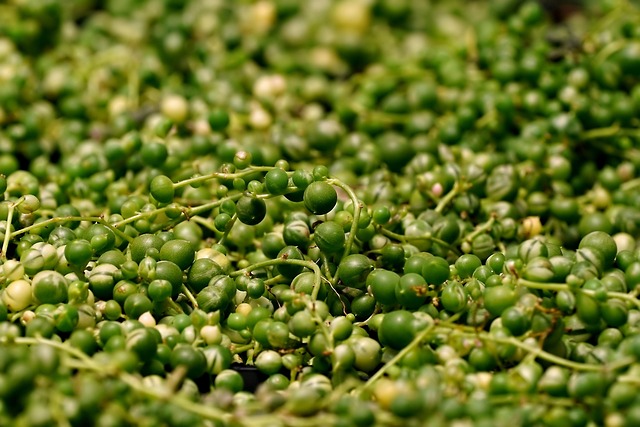
What's Happening
Root rot in String of Pearls occurs when perpetually moist soil creates anaerobic conditions allowing Pythium, Fusarium, and other pathogens to colonize shallow, thin roots. Senecio rowleyanus stems (modified leaves) store water but rot rapidly in waterlogged conditions.
How to Fix It
- 1
1. Inspect stems and beads for firm, plump, non-mushy sections; discard any softened/rotted parts
- 2
2. Take 4-6 inch healthy cuttings, remove lowest pearls, let callous 1-2 days in shade
- 3
3. Propagate in water (change every 2-3 days) or perlite/vermiculite mix
- 4
4. Transplant rooted cuttings to cactus mix with perlite once roots form (3-7 days)
- 5
5. Water sparingly only when soil fully dry between waterings
How to Prevent It
Source plants from reputable sellers with dry, airy displays. Use unglazed terracotta pots with drainage holes and 50-70% inorganic soil mix. Water only when top 2 inches are dry (every 2-3 weeks indoors).