
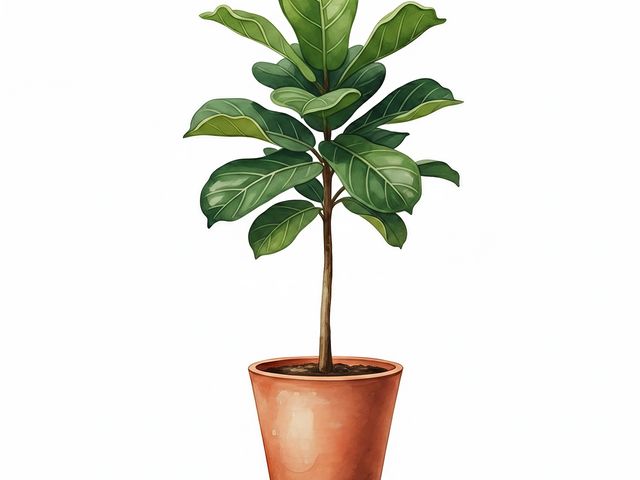
aglaonema
Also known as: Chinese Evergreen
Evidence-based care guide for Aglaonema (). Covers symptom diagnosis, pest control, lighting and watering. Our analysis draws from 12 verified community cases with an average confidence score of 84%. Each protocol is synthesized from real rescue outcomes, not generic advice.
Care Essentials
Get to Know Your Aglaonema
Light is everything for this plant. Get the placement right and everything else falls into place.
Light
medium to bright indirect
Tolerates lower light but grows best in medium to bright indirect light. Can get leggy without enough light.
💡 Grow lights: Thrives under artificial grow lights (LED or fluorescent, 10-12 hours/day). A great option if your space lacks natural light.
Watering
every 10-14 days
Let the soil dry out significantly between waterings — this plant is very sensitive to overwatering. When in doubt, wait another day.
Humidity & Temperature
Appreciates some humidity but adapts to average home conditions. Brown tips in winter? Your air might be too dry — a light misting helps.
Standard room temperature (60-80°F / 15-27°C) is perfect. Avoid cold drafts and sudden temperature swings.
Soil
Needs well-draining soil — add perlite or orchid bark to a standard potting mix. Good drainage is critical to prevent root rot.
Care Requirements
At a Glance
Care Profile in Development
While our detailed care profile is being compiled, you can find specific care guidance in the 5 care-related diagnoses below — including watering schedules, light requirements, and propagation methods from real-world cases.
Start Here
Most Common Problems
Based on 12 analyzed cases — these are the issues you're most likely to encounter
Don't see your symptom? Search all 6 topics below, or run the Diagnostic.
Aglaonema Care: Aglaonema Guide
Aglaonema species succeed as houseplants through CAM-like water storage...
Is my Aglaonema overwatered?
Chinese Evergreen (Aglaonema) in low light conditions has severely reduced...
Why does my Aglaonema have scale insects?
Scale insects are described as the most serious insect pest of Aglaonema in...
Why does my Aglaonema have mealybugs?
Pleasant's troubleshooting entry for Aglaonema commutatum names mealybugs as an...
Why does my Aglaonema have spider mites?
Nissen's Indoor Plant Bible lists Aglaonema commutatum as susceptible to spider...
Which of the 7 Killers
is threatening your plants?
We use Plant Grail problem records — root rot, mites, light, humidity — to rank which failures show up most. Answer 5 questions and we'll tell you which ones match your setup.
Skip the quiz — get The 7 Killers course ($19) →Question 1 of 5
How do you decide when to water your plants?
Question 2 of 5
Where do most of your plants live?
Question 3 of 5
What's your home environment like?
Question 4 of 5
Have you lost a plant in the last 6 months?
Question 5 of 5
How often do you check your plants for pests?
Your diagnosis is ready
We've identified your top 2 risk killers. Enter your email to see the full breakdown and your personalized rescue protocol.
Your plants are most at risk from:

The 7 Killers mini-course covers mechanism, rescue protocol, and prevention for the failure classes that show up most in Grail. 7 lessons. $19.
Get The 7 Killers — $19 →Get the Plant Mortality Checklist
Root rot is the largest named failure class in Plant Grail. Free PDF of the failure map and what to check first.
Your checklist is ready!
We also sent it to your inbox. Check your email for the full download.
Open the ChecklistFree. No spam. Unsubscribe anytime.
Verified Data
All Diagnoses
6 topics from 12 Grail records. Expand any topic to see the protocol.
Symptoms (1 topics · 1 cases)
Why do my Aglaonema leaves have brown tips?
Chinese evergreen (Aglaonema commutatum, A
80%
Why do my Aglaonema leaves have brown tips?
Chinese evergreen (Aglaonema commutatum, A
Cause
Chinese evergreen (Aglaonema commutatum, A. modestum, A. pictum) develops brown leaf tips and brown leaf margins when the surrounding indoor air is too dry for the tropical understory species, because the plant prefers higher humidity than a typical heated living room provides and the leaf margins desiccate before the rest of the blade shows stress, even though the rhizomes still need the top of the potting medium to dry only 1 to 2 inches between waterings rather than being kept constantly wet.
Solutions
- Mist the foliage of chinese evergreen twice a week with a spray bottle of water on a mist setting whenever indoor humidity is very dry, focusing on the undersides of the leaves where moisture is absorbed most readily.
- Set the pot on a pebble tray filled with water so evaporation raises the ambient humidity around the central crown without waterlogging the substrate, since chinese evergreens also prefer higher humidity than typical heated rooms provide.
- Water only when the top 1 to 2 inches of the potting medium become dry to the touch, then water thoroughly so excess drains from the bottom of the pot.
Prevention
Keep chinese evergreen in a room where ambient humidity stays moderately elevated year-round, especially during winter heating months; use a pebble tray or humidifier to keep air moisture around the foliage, and avoid placing the plant directly above a heating vent or radiator that dries the leaf margins.
Pests (3 topics · 3 cases)
Why does my Aglaonema have mealybugs?
Pleasant's troubleshooting entry for Aglaonema commutatum names mealybugs as an established pest, with white cottony insect colonies forming on stems and leaf undersides of the Chinese evergreen
80%
Why does my Aglaonema have mealybugs?
Pleasant's troubleshooting entry for Aglaonema commutatum names mealybugs as an established pest, with white cottony insect colonies forming on stems and leaf undersides of the Chinese evergreen
Cause
Pleasant's troubleshooting entry for Aglaonema commutatum names mealybugs as an established pest, with white cottony insect colonies forming on stems and leaf undersides of the Chinese evergreen. These soft-bodied sap-sucking insects colonize leaf axils and shaded tissue, draining plant fluids and excreting sticky honeydew that invites secondary sooty mold on the surrounding glossy foliage.
Solutions
- Isolate the infested Chinese evergreen immediately from other houseplants to prevent crawlers from migrating onto neighboring specimens.
- Remove visible mealybugs with cotton swabs dipped in 70 percent isopropyl alcohol, repeating every 3 days until the white cottony masses stop reappearing.
- After testing a single leaf for tolerance, spray the entire plant including stem crotches and leaf undersides with insecticidal soap; reapply weekly for at least 3 weeks to catch newly hatched nymphs.
Prevention
Quarantine new acquisitions for 14 days before integrating them into the collection, and inspect leaf undersides and stem joints weekly with a magnifier. Avoid dry, stagnant indoor air during winter heating by maintaining 40-60 percent humidity, since mealybug populations flare when Chinese evergreens are water-stressed.
Why does my Aglaonema have scale insects?
Scale insects are described as the most serious insect pest of Aglaonema in Pleasant's Complete Houseplant Survival Manual
80%
Why does my Aglaonema have scale insects?
Scale insects are described as the most serious insect pest of Aglaonema in Pleasant's Complete Houseplant Survival Manual
Cause
Scale insects are described as the most serious insect pest of Aglaonema in Pleasant's Complete Houseplant Survival Manual. They appear as small disc-shaped creatures clinging to stems and the undersides of the Chinese evergreen's glossy leaves, weakening the plant by siphoning sap from vascular tissue while plants appear weak despite normal watering.
Solutions
- Dispose of badly infested plants if the scale population has spread across most stems and leaf undersides, since heavy infestations are usually not worth saving.
- For light infestations, isolate the plant immediately and gently scrape scales off with a fingernail or soft brush; repeat every few days before any spray treatment.
- Spray the entire plant, including leaf undersides and stem crotches, with insecticidal soap after testing a single leaf for tolerance; reapply every 7 to 10 days to kill newly mobile crawlers.
Prevention
Inspect new nursery plants for disc-shaped bumps on stems and leaf undersides before purchase, and quarantine any suspect specimens for at least 14 days. Keep the Chinese evergreen stress-free with consistent watering and 40-60 percent ambient humidity, which strengthens the plant's natural defenses against sap-sucker colonization.
Why does my Aglaonema have spider mites?
Nissen's Indoor Plant Bible lists Aglaonema commutatum as susceptible to spider mites alongside aphids, scale insects, and mealy bugs
80%
Why does my Aglaonema have spider mites?
Nissen's Indoor Plant Bible lists Aglaonema commutatum as susceptible to spider mites alongside aphids, scale insects, and mealy bugs
Cause
Nissen's Indoor Plant Bible lists Aglaonema commutatum as susceptible to spider mites alongside aphids, scale insects, and mealy bugs. These tiny arachnids pierce individual cells on the leaf undersides of the Chinese evergreen and drain chlorophyll-bearing tissue, producing a stippled, faded appearance that progresses to fine webbing in heavy infestations during dry indoor air.
Solutions
- Increase ambient humidity around the plant by misting the foliage with room-temperature water or placing the pot on a pebble tray filled with water to discourage dry-air mite flare-ups.
- Spray the entire plant, including leaf undersides, with insecticidal soap after testing for tolerance on a single leaf; reapply weekly for 3 to 4 weeks to interrupt the mite life cycle of eggs, larvae, and adults.
- Rinse the foliage under a gentle stream of lukewarm water to physically dislodge mites and webbing from the leaf surfaces before applying any spray treatment.
Prevention
Maintain 40 to 60 percent ambient humidity during winter heating months, since spider mite populations explode when indoor air is dry. Inspect leaf undersides weekly with a magnifier for early detection and quarantine new arrivals for at least 14 days before integrating them into the collection.
Watering Issues (1 topics · 1 cases)
Is my Aglaonema overwatered?
Chinese Evergreen (Aglaonema) in low light conditions has severely reduced transpiration and photosynthesis rates, meaning root water uptake slows proportionally — wet soil becomes anaerobic within 72 hours
82%
Is my Aglaonema overwatered?
Chinese Evergreen (Aglaonema) in low light conditions has severely reduced transpiration and photosynthesis rates, meaning root water uptake slows proportionally — wet soil becomes anaerobic within 72 hours
Cause
Chinese Evergreen (Aglaonema) in low light conditions has severely reduced transpiration and photosynthesis rates, meaning root water uptake slows proportionally — wet soil becomes anaerobic within 72 hours.
Solutions
- 1. Dark-green varieties: water when top 1-2 inches of soil are dry
- 2. Pink/red/variegated hybrids: keep evenly moist in bright indirect light to preserve coloration
- 3. In low light, Aglaonema loses color and becomes more drought-tolerant — reduce watering frequency
- 4. Use pebble trays to raise humidity; brown leaf tips indicate dry air or salt buildup
- 5. Cut off flower spikes (spadix) so energy goes to foliage rather than seeds
- 6. Toxic to dogs and cats — keep out of reach
Prevention
For dark-green Aglaonema varieties in low light: let soil dry 1-2 inches between waterings. For newer pink/red hybrids: they need more light and more frequent watering to maintain variegation.
Care Methods (1 topics · 1 cases)
Aglaonema Care: Aglaonema Guide
Aglaonema species succeed as houseplants through CAM-like water storage adaptations and tolerance for variable light conditions
90%
Aglaonema Care: Aglaonema Guide
Aglaonema species succeed as houseplants through CAM-like water storage adaptations and tolerance for variable light conditions
Cause
Aglaonema species succeed as houseplants through CAM-like water storage adaptations and tolerance for variable light conditions. Care failures typically stem from overwatering in low-light conditions where transpiration is reduced, or mineral buildup from tap water causing leaf edge burn.
Solutions
- Position in bright indirect light; east or west-facing windows ideal
- Water thoroughly only when soil is 50-70% dry; use moisture meter for precision
- Use filtered or distilled water to prevent fluoride/chlorine toxicity
- Repot every 2-3 years in fresh well-draining mix
- Remove yellowing lower leaves promptly to redirect energy
- Monitor for pests monthly, especially spider mites in dry conditions
Prevention
Maintain consistent environmental conditions. Avoid drafts and temperature swings below 60°F (15°C). Use terracotta pots for better moisture wicking. Flush soil monthly with plain water to prevent salt buildup.
Common Questions
Frequently Asked Questions
Why does my aglaonema have Aglaonema care?
Cause: Aglaonema species succeed as houseplants through CAM-like water storage adaptations and tolerance for variable light conditions. Care failures typically stem from overwatering in low-light conditions where transpiration is reduced, or mineral buildup from tap water causing leaf edge burn.
Solution: Position in bright indirect light; east or west-facing windows ideal
Prevention: Maintain consistent environmental conditions. Avoid drafts and temperature swings below 60°F (15°C). Use terracotta pots for better moisture wicking. Flush soil monthly with plain water to prevent salt buildup.
90% confidence · View full protocol →
Why does my aglaonema have Overwatering?
Cause: Chinese Evergreen (Aglaonema) in low light conditions has severely reduced transpiration and photosynthesis rates, meaning root water uptake slows proportionally — wet soil becomes anaerobic within 72 hours.
Solution: 1. Dark-green varieties: water when top 1-2 inches of soil are dry
Prevention: For dark-green Aglaonema varieties in low light: let soil dry 1-2 inches between waterings. For newer pink/red hybrids: they need more light and more frequent watering to maintain variegation.
82% confidence · View full protocol →
Why does my aglaonema have Scale?
Cause: Scale insects are described as the most serious insect pest of Aglaonema in Pleasant's Complete Houseplant Survival Manual. They appear as small disc-shaped creatures clinging to stems and the undersides of the Chinese evergreen's glossy leaves, weakening the plant by siphoning sap from vascular tissue while plants appear weak despite normal watering.
Solution: Dispose of badly infested plants if the scale population has spread across most stems and leaf undersides, since heavy infestations are usually not worth saving.
Prevention: Inspect new nursery plants for disc-shaped bumps on stems and leaf undersides before purchase, and quarantine any suspect specimens for at least 14 days. Keep the Chinese evergreen stress-free with consistent watering and 40-60 percent ambient humidity, which strengthens the plant's natural defenses against sap-sucker colonization.
80% confidence · View full protocol →
Why does my aglaonema have Mealybugs?
Cause: Pleasant's troubleshooting entry for Aglaonema commutatum names mealybugs as an established pest, with white cottony insect colonies forming on stems and leaf undersides of the Chinese evergreen. These soft-bodied sap-sucking insects colonize leaf axils and shaded tissue, draining plant fluids and excreting sticky honeydew that invites secondary sooty mold on the surrounding glossy foliage.
Solution: Isolate the infested Chinese evergreen immediately from other houseplants to prevent crawlers from migrating onto neighboring specimens.
Prevention: Quarantine new acquisitions for 14 days before integrating them into the collection, and inspect leaf undersides and stem joints weekly with a magnifier. Avoid dry, stagnant indoor air during winter heating by maintaining 40-60 percent humidity, since mealybug populations flare when Chinese evergreens are water-stressed.
80% confidence · View full protocol →
Why does my aglaonema have Spider mites?
Cause: Nissen's Indoor Plant Bible lists Aglaonema commutatum as susceptible to spider mites alongside aphids, scale insects, and mealy bugs. These tiny arachnids pierce individual cells on the leaf undersides of the Chinese evergreen and drain chlorophyll-bearing tissue, producing a stippled, faded appearance that progresses to fine webbing in heavy infestations during dry indoor air.
Solution: Increase ambient humidity around the plant by misting the foliage with room-temperature water or placing the pot on a pebble tray filled with water to discourage dry-air mite flare-ups.
Prevention: Maintain 40 to 60 percent ambient humidity during winter heating months, since spider mite populations explode when indoor air is dry. Inspect leaf undersides weekly with a magnifier for early detection and quarantine new arrivals for at least 14 days before integrating them into the collection.
80% confidence · View full protocol →
Common Questions
Frequently Asked About Aglaonema
What problems can Aglaonema get?
Plant Grail records 12 Aglaonema problems, including pests, watering stress, and environmental damage, each with a fix.
Structured Learning
Ready to Go Deeper?
Explore our Mastery Packs for structured, video-based learning with step-by-step protocols from 4,272 analyzed plant cases.
Browse All Courses →