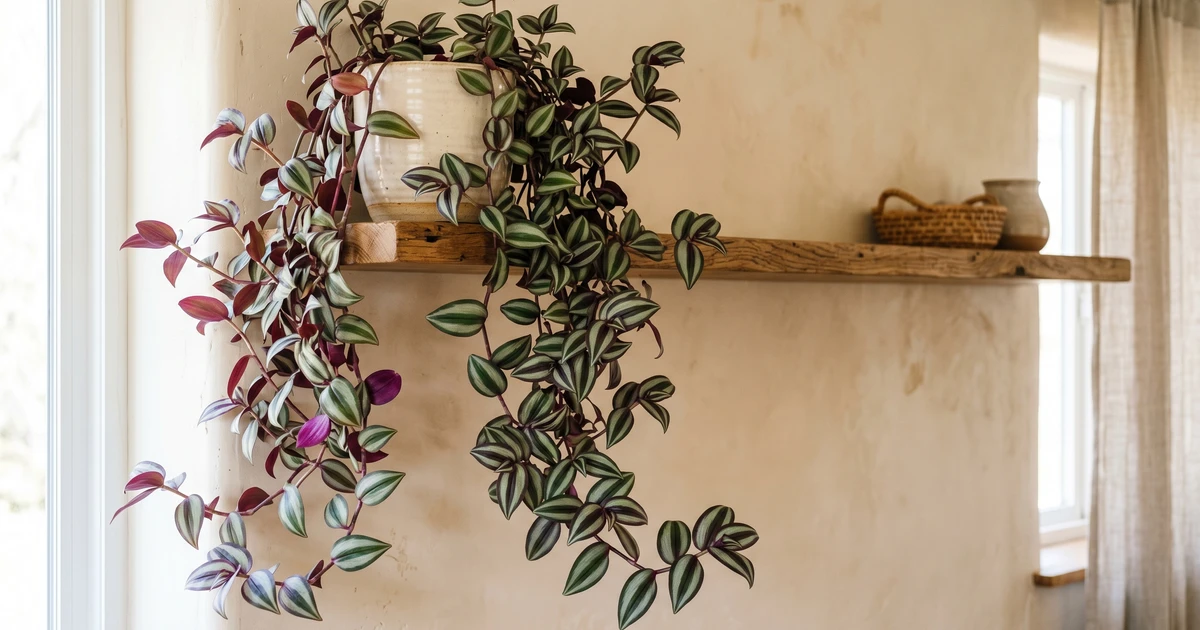
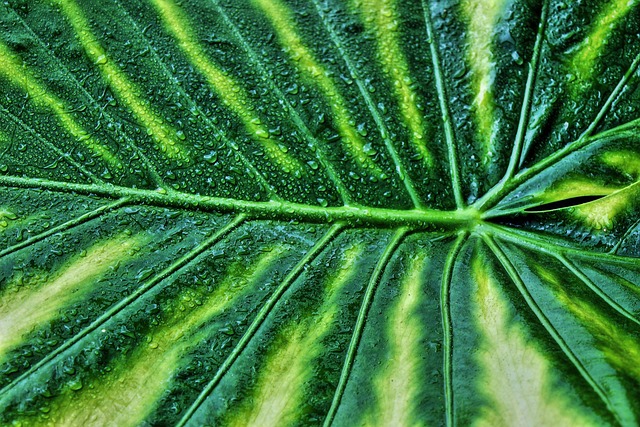
alocasia baginda
alocasia baginda
Evidence-based care guide for Alocasia Baginda (alocasia baginda). Covers disease treatment, symptom diagnosis and pest control. Our analysis draws from 4 verified community cases with an average confidence score of 83%. Each protocol is synthesized from real rescue outcomes, not generic advice.
Care Essentials
Get to Know Your Alocasia Baginda
Light is everything for this plant. Get the placement right and everything else falls into place.
Light
bright indirect
Prefers bright, indirect light. Keep out of harsh direct afternoon sun — it can scorch the leaves.
💡 Grow lights: Thrives under artificial grow lights (LED or fluorescent, 10-12 hours/day). A great option if your space lacks natural light.
Watering
every 7-10 days
Water when the top 1-2 inches of soil feel dry. Adjust with the seasons — less in winter, more in summer.
Humidity & Temperature
Appreciates some humidity but adapts to average home conditions. Brown tips in winter? Your air might be too dry — a light misting helps.
Prefers moderate temperatures (60-80°F). Keep away from radiators and intense afternoon sun windows.
Soil
Standard well-draining potting mix works well. Add perlite for extra drainage if you tend to overwater.
Care Requirements
At a Glance
Care Profile in Development
While our detailed care profile is being compiled, you can find specific care guidance in the 0 care-related diagnoses below — including watering schedules, light requirements, and propagation methods from real-world cases.
Start Here
Most Common Problems
Based on 4 analyzed cases — these are the issues you're most likely to encounter
Don't see your symptom? Search all 4 topics below, or run the Diagnostic.
Why does my Alocasia Baginda have scale insects?
Looks like a literal dragon's egg or reptilian skin with deeply textured, thick...
Why does my Alocasia Baginda have root rot?
Alocasia baginda, like other Alocasia species, naturally grows on dark, damp...
Why are my Alocasia Baginda leaves turning yellow?
Alocasia baginda commonly drops and yellows older leaves during the lower-light...
Why do my Alocasia Baginda leaves have brown tips?
Alocasia baginda has the same basic requirements as Alocasia x amazonica and...
Which of the 7 Killers
is threatening your plants?
We use Plant Grail problem records — root rot, mites, light, humidity — to rank which failures show up most. Answer 5 questions and we'll tell you which ones match your setup.
Skip the quiz — get The 7 Killers course ($19) →Question 1 of 5
How do you decide when to water your plants?
Question 2 of 5
Where do most of your plants live?
Question 3 of 5
What's your home environment like?
Question 4 of 5
Have you lost a plant in the last 6 months?
Question 5 of 5
How often do you check your plants for pests?
Your diagnosis is ready
We've identified your top 2 risk killers. Enter your email to see the full breakdown and your personalized rescue protocol.
Your plants are most at risk from:

The 7 Killers mini-course covers mechanism, rescue protocol, and prevention for the failure classes that show up most in Grail. 7 lessons. $19.
Get The 7 Killers — $19 →Get the Plant Mortality Checklist
Root rot is the largest named failure class in Plant Grail. Free PDF of the failure map and what to check first.
Your checklist is ready!
We also sent it to your inbox. Check your email for the full download.
Open the ChecklistFree. No spam. Unsubscribe anytime.
Verified Data
All Diagnoses
4 topics from 4 Grail records. Expand any topic to see the protocol.
Symptoms (2 topics · 2 cases)
Why do my Alocasia Baginda leaves have brown tips?
Alocasia baginda has the same basic requirements as Alocasia x amazonica and prefers humidity at or above 50 percent with steady warmth above 15 degrees C
80%
Why do my Alocasia Baginda leaves have brown tips?
Alocasia baginda has the same basic requirements as Alocasia x amazonica and prefers humidity at or above 50 percent with steady warmth above 15 degrees C
Cause
Alocasia baginda has the same basic requirements as Alocasia x amazonica and prefers humidity at or above 50 percent with steady warmth above 15 degrees C. When indoor humidity falls below this range, the broad waxy leaf tips dry first and crisp into brown patches, and bright direct sunlight compounds the damage by scorching the thin tissue at the margins.
Solutions
- Group the Alocasia baginda with other tropical houseplants or set it on a tray of pebbles and water to lift the local humidity above 50 percent around its leaves.
- Move the plant out of direct sun and any draught from central heating, fireplaces, or air conditioning into a bright but indirect spot where the leaf tips are not continually baked.
- Trim fully browned tips back to healthy green tissue with clean scissors so the damage does not keep creeping down the leaf margin.
Prevention
Maintain 50 percent or higher humidity and bright, indirect light year-round, since Alocasia baginda naturally lives on damp rainforest floors where the air never goes dry.
Why are my Alocasia Baginda leaves turning yellow?
Alocasia baginda commonly drops and yellows older leaves during the lower-light winter months when growth slows and the corm enters a partial rest
80%
Why are my Alocasia Baginda leaves turning yellow?
Alocasia baginda commonly drops and yellows older leaves during the lower-light winter months when growth slows and the corm enters a partial rest
Cause
Alocasia baginda commonly drops and yellows older leaves during the lower-light winter months when growth slows and the corm enters a partial rest. Acute yellowing can also follow overwatering, underwatering, sudden temperature change, or the stress of being moved into a new indoor position, with the corm signalling stress through the foliage before growth resumes in spring.
Solutions
- Hold off on heavy watering during the natural cool-season rest and let the substrate dry more between drinks; new leaves should replace yellowed ones when brighter spring light returns.
- Move the plant away from cold draughts, radiators, and cold windowpanes, and keep the temperature above 15 degrees C so the corm does not slip into stress-driven yellowing.
- Trim yellowed leaves cleanly at the base once the foliage has fully yellowed, since yellow tissue will not green up again, and keep humidity high to support recovery of the remaining leaves.
Prevention
Keep the plant in a warm, stable, bright-but-indirect spot through the year and treat expected winter die-back as a normal rest rather than a watering or feeding crisis.
Diseases (1 topics · 1 cases)
Why does my Alocasia Baginda have root rot?
Alocasia baginda, like other Alocasia species, naturally grows on dark, damp rainforest floors where the pointed leaf tips channel excess moisture off the broad leaves
80%
Why does my Alocasia Baginda have root rot?
Alocasia baginda, like other Alocasia species, naturally grows on dark, damp rainforest floors where the pointed leaf tips channel excess moisture off the broad leaves
Cause
Alocasia baginda, like other Alocasia species, naturally grows on dark, damp rainforest floors where the pointed leaf tips channel excess moisture off the broad leaves. Indoors, where light and heat are typically lower than its native habitat, the same wet substrate quickly suffocates the corm and roots, and water held too long in the pot causes rot.
Solutions
- Let the top 5 cm (2 in) of a chunky, free-draining aroid mix dry out completely before the next watering, especially in shadier indoor spots.
- Pot in an unglazed terra-cotta or another container with drainage holes so excess water can escape and air can move through the substrate around the corm.
- Reduce watering volume in winter when growth slows and lower light reduces how fast the substrate dries; in a regular home environment the plant tolerates the substrate drying by at least half.
Prevention
Match indoor watering to local light and heat rather than to the wet tropical habitat alocasias come from; keeping the substrate drier than the rainforest floor protects the corm from rot.
Pests (1 topics · 1 cases)
Why does my Alocasia Baginda have scale insects?
Looks like a literal dragon's egg or reptilian skin with deeply textured, thick leaves and prominent dark venation
92%
Why does my Alocasia Baginda have scale insects?
Looks like a literal dragon's egg or reptilian skin with deeply textured, thick leaves and prominent dark venation
Cause
Looks like a literal dragon's egg or reptilian skin with deeply textured, thick leaves and prominent dark venation. This 'jewel' alocasia develops thinner, less textured leaves if ambient humidity drops below 50% or if roots are kept too wet.
Solutions
- Let the top 2 inches of chunky soil dry out completely before watering
- Provide 60-80% humidity to maintain the leathery, metallic texture
- Use a cloche or terrarium for smaller specimens
Prevention
Do not treat like a standard tropical Alocasia—jewel types have thicker leaves but are more susceptible to corm rot from overwatering.
Common Questions
Frequently Asked Questions
Why does my alocasia baginda have Dragon scale texture loss?
Cause: Looks like a literal dragon's egg or reptilian skin with deeply textured, thick leaves and prominent dark venation. This 'jewel' alocasia develops thinner, less textured leaves if ambient humidity drops below 50% or if roots are kept too wet.
Solution: Let the top 2 inches of chunky soil dry out completely before watering
Prevention: Do not treat like a standard tropical Alocasia—jewel types have thicker leaves but are more susceptible to corm rot from overwatering.
92% confidence · View full protocol →
Why does my alocasia baginda have Root rot?
Cause: Alocasia baginda, like other Alocasia species, naturally grows on dark, damp rainforest floors where the pointed leaf tips channel excess moisture off the broad leaves. Indoors, where light and heat are typically lower than its native habitat, the same wet substrate quickly suffocates the corm and roots, and water held too long in the pot causes rot.
Solution: Let the top 5 cm (2 in) of a chunky, free-draining aroid mix dry out completely before the next watering, especially in shadier indoor spots.
Prevention: Match indoor watering to local light and heat rather than to the wet tropical habitat alocasias come from; keeping the substrate drier than the rainforest floor protects the corm from rot.
80% confidence · View full protocol →
Why does my alocasia baginda have Yellow leaves?
Cause: Alocasia baginda commonly drops and yellows older leaves during the lower-light winter months when growth slows and the corm enters a partial rest. Acute yellowing can also follow overwatering, underwatering, sudden temperature change, or the stress of being moved into a new indoor position, with the corm signalling stress through the foliage before growth resumes in spring.
Solution: Hold off on heavy watering during the natural cool-season rest and let the substrate dry more between drinks; new leaves should replace yellowed ones when brighter spring light returns.
Prevention: Keep the plant in a warm, stable, bright-but-indirect spot through the year and treat expected winter die-back as a normal rest rather than a watering or feeding crisis.
80% confidence · View full protocol →
Why does my alocasia baginda have Brown tips?
Cause: Alocasia baginda has the same basic requirements as Alocasia x amazonica and prefers humidity at or above 50 percent with steady warmth above 15 degrees C. When indoor humidity falls below this range, the broad waxy leaf tips dry first and crisp into brown patches, and bright direct sunlight compounds the damage by scorching the thin tissue at the margins.
Solution: Group the Alocasia baginda with other tropical houseplants or set it on a tray of pebbles and water to lift the local humidity above 50 percent around its leaves.
Prevention: Maintain 50 percent or higher humidity and bright, indirect light year-round, since Alocasia baginda naturally lives on damp rainforest floors where the air never goes dry.
80% confidence · View full protocol →
Common Questions
Frequently Asked About Alocasia Baginda
What problems can Alocasia Baginda get?
Plant Grail records 4 Alocasia Baginda problems, including pests, watering stress, and environmental damage, each with a fix.
Structured Learning
Ready to Go Deeper?
Explore our Mastery Packs for structured, video-based learning with step-by-step protocols from 4,272 analyzed plant cases.
Browse All Courses →