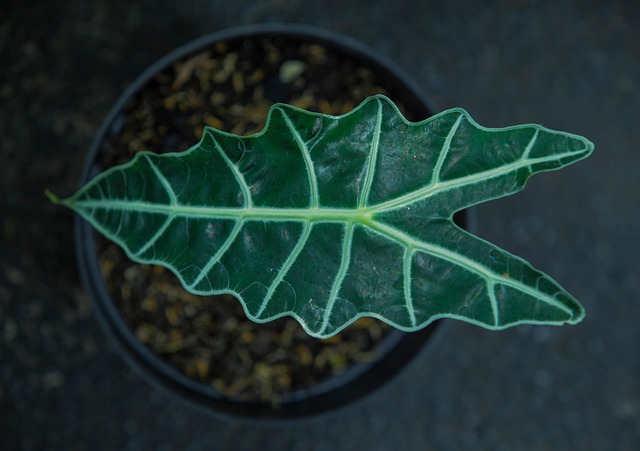
alocasia silver dragon
Alocasia baginda 'Silver Dragon'
Evidence-based care guide for Alocasia Silver Dragon (Alocasia baginda 'Silver Dragon'). Our analysis draws from 5 verified community cases with an average confidence score of 69%. Each protocol is synthesized from real rescue outcomes, not generic advice.
Care Essentials
Get to Know Your Alocasia Silver Dragon
Watch the humidity — a little extra moisture in the air goes a long way with this plant.
Light
medium to bright indirect
Most comfortable in medium to bright indirect light. Avoid prolonged direct sun exposure.
💡 Grow lights: Thrives under artificial grow lights (LED or fluorescent, 10-12 hours/day). A great option if your space lacks natural light.
Watering
every 10-14 days
Let the soil dry out significantly between waterings — this plant is very sensitive to overwatering. When in doubt, wait another day.
Humidity & Temperature
Loves higher humidity (60%+). If your air is dry, group it with other plants, use a pebble tray, or run a humidifier nearby.
Standard room temperature (60-80°F / 15-27°C) is perfect. Avoid cold drafts and sudden temperature swings.
Soil
Standard well-draining potting mix works well. Add perlite for extra drainage if you tend to overwater.
Care Requirements
At a Glance
Care Profile in Development
While our detailed care profile is being compiled, you can find specific care guidance in the 0 care-related diagnoses below — including watering schedules, light requirements, and propagation methods from real-world cases.
Start Here
Most Common Problems
Based on 5 analyzed cases — these are the issues you're most likely to encounter
Don't see your symptom? Search all 5 topics below, or run the Diagnostic.
Alocasia Silver Dragon: Texture Sensitivity
Alocasia 'Silver Dragon' (a Baginda variety) possesses highly textured, waxy...
Alocasia Silver Dragon: Acclimation Shock
Alocasia 'Silver Dragon' experiences severe acclimation shock when moved from...
Does my Alocasia Silver Dragon need more humidity?
Alocasia 'Silver Dragon' requires elevated humidity (70-85% RH) compared to...
Alocasia Silver Dragon: Dormancy Triggers
Alocasia 'Silver Dragon' enters dormancy more readily than other Alocasia...
Alocasia Silver Dragon: Leaf Crisping Edges
Alocasia 'Silver Dragon' exhibits edge crisping as the earliest visible...
Which of the 7 Killers
is threatening your plants?
We analyzed 1,616 documented plant deaths to identify the 7 causes behind 78% of all losses. Answer 5 questions — we'll tell you exactly which ones apply to your setup.
Skip the quiz — get The 7 Killers course ($19) →Question 1 of 5
How do you decide when to water your plants?
Question 2 of 5
Where do most of your plants live?
Question 3 of 5
What's your home environment like?
Question 4 of 5
Have you lost a plant in the last 6 months?
Question 5 of 5
How often do you check your plants for pests?
Your diagnosis is ready
We've identified your top 2 risk killers. Enter your email to see the full breakdown and your personalized rescue protocol.
Your plants are most at risk from:

The 7 Killers mini-course covers every one of these in depth — mechanism, rescue protocol, prevention. 1,616 cases. 7 lessons. $19.
Get The 7 Killers — $19 →Get the Plant Mortality Checklist
The 7 killers behind 78% of houseplant deaths — and the exact fix for each. Free PDF based on 1,616 documented cases.
Your checklist is ready!
We also sent it to your inbox. Check your email for the full download.
Open the ChecklistFree. No spam. Unsubscribe anytime.
Verified Data
All Diagnoses
5 topics consolidated from 5 documented cases. Expand any topic to see all protocols.
Environment (1 topics · 1 cases)
Does my Alocasia Silver Dragon need more humidity?
Alocasia 'Silver Dragon' requires elevated humidity (70-85% RH) compared to standard Alocasia varieties (45-60% RH)
68%
Does my Alocasia Silver Dragon need more humidity?
Alocasia 'Silver Dragon' requires elevated humidity (70-85% RH) compared to standard Alocasia varieties (45-60% RH)
Cause
Alocasia 'Silver Dragon' requires elevated humidity (70-85% RH) compared to standard Alocasia varieties (45-60% RH). The dense trichome layer and specialized cuticle that create the silvery dragon-scale texture evolved in ultra-humid microhabitats. When humidity drops below 65%, the plant activates protective transpiration reduction, causing leaf edge crisping and slowed growth. Unlike smooth-leaf Alocasias that tolerate periodic dryness, Silver Dragon's textured surface increases water loss per unit area when atmospheric moisture is low, necessitating premium humidity conditions for optimal cellular function.
Solutions
- Deploy humidifier maintaining 75-80% RH near plant - misters insufficient for this variety
- Group with other plants to create humidity microclimate
- Use closed terrarium or cloche for specimens in dry climates (<50% ambient)
- Monitor with digital hygrometer - take action when RH drops below 70%
- Provide air circulation to prevent mold while maintaining humidity via small fan
Prevention
Install humidifier before acquiring Silver Dragon. Budget for running costs (8-12 hours daily). Position away from AC vents, radiators, and drafty windows. Consider this variety only if you can maintain 70%+ humidity consistently year-round.
Other Topics (4 topics · 4 cases)
Alocasia Silver Dragon: Acclimation Shock
Alocasia 'Silver Dragon' experiences severe acclimation shock when moved from commercial greenhouse conditions (85%+ humidity, consistent temperature, filtered light) to typical home environments
70%
Alocasia Silver Dragon: Acclimation Shock
Alocasia 'Silver Dragon' experiences severe acclimation shock when moved from commercial greenhouse conditions (85%+ humidity, consistent temperature, filtered light) to typical home environments
Cause
Alocasia 'Silver Dragon' experiences severe acclimation shock when moved from commercial greenhouse conditions (85%+ humidity, consistent temperature, filtered light) to typical home environments. The specialized textured leaves adapted to stable tropical conditions cannot adjust rapidly to humidity drops of 30-40% or temperature fluctuations. Unlike hardier Alocasia varieties that adapt within 2-3 weeks, Silver Dragon may drop 2-3 leaves and enter pseudo-dormancy lasting 4-8 weeks if transition is abrupt. The plant prioritizes survival over growth until environmental stability is re-established.
Solutions
- Create mini greenhouse immediately: Clear plastic bin or humidity dome for first 2-4 weeks
- Maintain 80-90% humidity inside enclosure - open 15 minutes daily for air exchange
- Provide bright indirect light but avoid direct sun on humid enclosure
- Avoid repotting for 8-12 weeks post-purchase - allow full acclimation first
- Expect 1-2 older leaves to yellow and drop - normal during adjustment
Prevention
Purchase only from sellers who provide acclimated specimens. Request plants out of humidity dome for minimum 4 weeks. Quarantine in high-humidity recovery chamber for 30 days before integrating into home. Never place directly into dry air below 60% RH.
Alocasia Silver Dragon: Dormancy Triggers
Alocasia 'Silver Dragon' enters dormancy more readily than other Alocasia varieties when exposed to winter conditions: shortened photoperiod, lower light intensity, temperature drops below 65°F, or reduced humidity from heating systems
68%
Alocasia Silver Dragon: Dormancy Triggers
Alocasia 'Silver Dragon' enters dormancy more readily than other Alocasia varieties when exposed to winter conditions: shortened photoperiod, lower light intensity, temperature drops below 65°F, or reduced humidity from heating systems
Cause
Alocasia 'Silver Dragon' enters dormancy more readily than other Alocasia varieties when exposed to winter conditions: shortened photoperiod, lower light intensity, temperature drops below 65°F, or reduced humidity from heating systems. The energy-intensive textured leaf production becomes unsustainable under suboptimal conditions, triggering tuber retreat and leaf senescence. Unlike standard Alocasias that may slow growth, Silver Dragon often drops all leaves and retreats to bulb form when multiple stressors align.
Solutions
- Maintain 70%+ humidity year-round - heating season is critical danger period
- Use grow lights to maintain 12-14 hour photoperiod November through February
- Keep temperature stable 68-75°F - avoid placement near drafty windows or radiators
- Reduce watering frequency by 50% if growth slows - but maintain humidity
- Do not fertilize during dormancy period - resume only when new growth appears
Prevention
Install humidifier before winter heating begins. Budget for supplemental lighting October through March. Consider this variety high-maintenance during winter months. The combination of low humidity + reduced light triggers dormancy that other Alocasias resist.
Alocasia Silver Dragon: Leaf Crisping Edges
Alocasia 'Silver Dragon' exhibits edge crisping as the earliest visible indicator of insufficient humidity
65%
Alocasia Silver Dragon: Leaf Crisping Edges
Alocasia 'Silver Dragon' exhibits edge crisping as the earliest visible indicator of insufficient humidity
Cause
Alocasia 'Silver Dragon' exhibits edge crisping as the earliest visible indicator of insufficient humidity. The textured, heavily veined leaves have higher surface-area-to-volume ratios than smooth Alocasias, accelerating marginal water loss when ambient humidity drops below 65%. Unlike nutrient deficiencies which cause uniform yellowing, or overwatering which produces soft brown spots, humidity-related crisping begins at leaf margins and progresses inward. The condition is irreversible for affected leaves but entirely preventable through environmental adjustment.
Solutions
- Install humidifier immediately - target 75-80% RH within 48 hours to halt progression
- Trim severely crisped edges with sterile scissors for aesthetics - won't recover
- Relocate away from heating/AC vents creating localized dry zones
- Group plants to boost local humidity 10-15% above ambient
- Monitor with hygrometer at plant level - not room level
Prevention
Maintain 70%+ humidity consistently. Crisping appears within 7-10 days of humidity dropping below 65%. This variety shows symptoms faster than other Alocasias due to specialized leaf structure requiring premium moisture conditions.
Alocasia Silver Dragon: Texture Sensitivity
Alocasia 'Silver Dragon' (a Baginda variety) possesses highly textured, waxy leaves with pronounced venation that create a dragon-scale appearance
72%
Alocasia Silver Dragon: Texture Sensitivity
Alocasia 'Silver Dragon' (a Baginda variety) possesses highly textured, waxy leaves with pronounced venation that create a dragon-scale appearance
Cause
Alocasia 'Silver Dragon' (a Baginda variety) possesses highly textured, waxy leaves with pronounced venation that create a dragon-scale appearance. The specialized cuticle layer that produces this silvery, embossed texture is more fragile than smooth-leaf Alocasias. Mechanical damage from handling, dust accumulation in leaf crevices, and water droplet residue disrupt the light-refracting surface structure, causing permanent dull spots and texture degradation. The calcium oxalate content in Alocasia tissues (PMID: 40488660) makes leaves rigid, increasing brittleness when the cuticle is compromised.
Solutions
- Handle leaves by petioles only - never touch the textured surface with bare fingers
- Dust weekly with soft makeup brush or compressed air - avoid wiping which abrades texture
- Water at soil level only - prevent droplets from landing on leaves
- Use room-temperature filtered water - cold water causes cell shock visible as dark spots on textured surface
- Maintain consistent 65-75°F temperature - temperature swings cause cuticle micro-cracking
Prevention
Position Silver Dragon where it won't be brushed against or need frequent moving. Maintain stable humidity above 60% to prevent cuticle desiccation that makes texture more brittle. Never mist - use pebble trays or humidifiers for humidity instead.
Common Questions
Frequently Asked Questions
Why does my alocasia silver dragon have Texture sensitivity?
Cause: Alocasia 'Silver Dragon' (a Baginda variety) possesses highly textured, waxy leaves with pronounced venation that create a dragon-scale appearance. The specialized cuticle layer that produces this silvery, embossed texture is more fragile than smooth-leaf Alocasias. Mechanical damage from handling, dust accumulation in leaf crevices, and water droplet residue disrupt the light-refracting surface structure, causing permanent dull spots and texture degradation. The calcium oxalate content in Alocasia tissues (PMID: 40488660) makes leaves rigid, increasing brittleness when the cuticle is compromised.
Solution: Handle leaves by petioles only - never touch the textured surface with bare fingers
Prevention: Position Silver Dragon where it won't be brushed against or need frequent moving. Maintain stable humidity above 60% to prevent cuticle desiccation that makes texture more brittle. Never mist - use pebble trays or humidifiers for humidity instead.
72% confidence · View full protocol →
Why does my alocasia silver dragon have Acclimation shock?
Cause: Alocasia 'Silver Dragon' experiences severe acclimation shock when moved from commercial greenhouse conditions (85%+ humidity, consistent temperature, filtered light) to typical home environments. The specialized textured leaves adapted to stable tropical conditions cannot adjust rapidly to humidity drops of 30-40% or temperature fluctuations. Unlike hardier Alocasia varieties that adapt within 2-3 weeks, Silver Dragon may drop 2-3 leaves and enter pseudo-dormancy lasting 4-8 weeks if transition is abrupt. The plant prioritizes survival over growth until environmental stability is re-established.
Solution: Create mini greenhouse immediately: Clear plastic bin or humidity dome for first 2-4 weeks
Prevention: Purchase only from sellers who provide acclimated specimens. Request plants out of humidity dome for minimum 4 weeks. Quarantine in high-humidity recovery chamber for 30 days before integrating into home. Never place directly into dry air below 60% RH.
70% confidence · View full protocol →
Why does my alocasia silver dragon have Humidity premium needs?
Cause: Alocasia 'Silver Dragon' requires elevated humidity (70-85% RH) compared to standard Alocasia varieties (45-60% RH). The dense trichome layer and specialized cuticle that create the silvery dragon-scale texture evolved in ultra-humid microhabitats. When humidity drops below 65%, the plant activates protective transpiration reduction, causing leaf edge crisping and slowed growth. Unlike smooth-leaf Alocasias that tolerate periodic dryness, Silver Dragon's textured surface increases water loss per unit area when atmospheric moisture is low, necessitating premium humidity conditions for optimal cellular function.
Solution: Deploy humidifier maintaining 75-80% RH near plant - misters insufficient for this variety
Prevention: Install humidifier before acquiring Silver Dragon. Budget for running costs (8-12 hours daily). Position away from AC vents, radiators, and drafty windows. Consider this variety only if you can maintain 70%+ humidity consistently year-round.
68% confidence · View full protocol →
Why does my alocasia silver dragon have Dormancy triggers?
Cause: Alocasia 'Silver Dragon' enters dormancy more readily than other Alocasia varieties when exposed to winter conditions: shortened photoperiod, lower light intensity, temperature drops below 65°F, or reduced humidity from heating systems. The energy-intensive textured leaf production becomes unsustainable under suboptimal conditions, triggering tuber retreat and leaf senescence. Unlike standard Alocasias that may slow growth, Silver Dragon often drops all leaves and retreats to bulb form when multiple stressors align.
Solution: Maintain 70%+ humidity year-round - heating season is critical danger period
Prevention: Install humidifier before winter heating begins. Budget for supplemental lighting October through March. Consider this variety high-maintenance during winter months. The combination of low humidity + reduced light triggers dormancy that other Alocasias resist.
68% confidence · View full protocol →
Why does my alocasia silver dragon have Leaf crisping edges?
Cause: Alocasia 'Silver Dragon' exhibits edge crisping as the earliest visible indicator of insufficient humidity. The textured, heavily veined leaves have higher surface-area-to-volume ratios than smooth Alocasias, accelerating marginal water loss when ambient humidity drops below 65%. Unlike nutrient deficiencies which cause uniform yellowing, or overwatering which produces soft brown spots, humidity-related crisping begins at leaf margins and progresses inward. The condition is irreversible for affected leaves but entirely preventable through environmental adjustment.
Solution: Install humidifier immediately - target 75-80% RH within 48 hours to halt progression
Prevention: Maintain 70%+ humidity consistently. Crisping appears within 7-10 days of humidity dropping below 65%. This variety shows symptoms faster than other Alocasias due to specialized leaf structure requiring premium moisture conditions.
65% confidence · View full protocol →
Common Questions
Frequently Asked About Alocasia Silver Dragon
What problems can Alocasia Silver Dragon get?
Our database contains 5 documented Alocasia Silver Dragon cases covering 5 distinct topics, including diseases, pest identification, environmental stress, propagation, and advanced care protocols — each with verified solutions.
Structured Learning
Ready to Go Deeper?
Explore our Mastery Packs for structured, video-based learning with step-by-step protocols from 20,000+ analyzed plant cases.
Browse All Courses →