
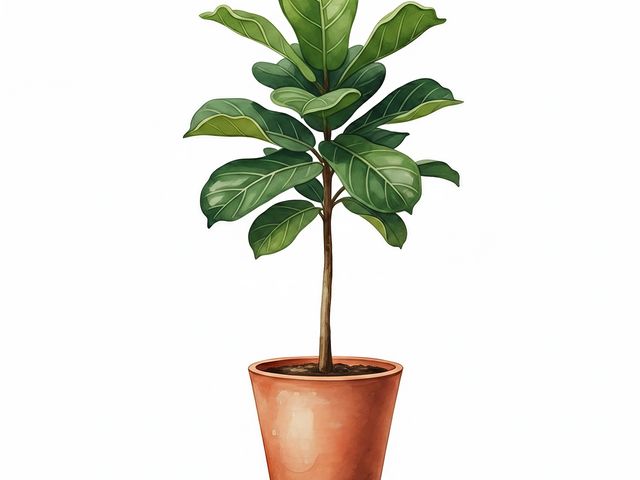
anthurium portillae
anthurium portillae
Evidence-based care guide for Anthurium Portillae (anthurium portillae). Covers disease treatment and pest control. Our analysis draws from 2 verified community cases with an average confidence score of 80%. Each protocol is synthesized from real rescue outcomes, not generic advice.
Care Essentials
Get to Know Your Anthurium Portillae
The #1 killer? Overwatering. Let the soil dry between waterings and your Anthurium Portillae will thrive.
Light
medium to bright indirect
Most comfortable in medium to bright indirect light. Avoid prolonged direct sun exposure.
💡 Grow lights: Thrives under artificial grow lights (LED or fluorescent, 10-12 hours/day). A great option if your space lacks natural light.
Watering
every 10-14 days
Let the soil dry out significantly between waterings — this plant is very sensitive to overwatering. When in doubt, wait another day.
Humidity & Temperature
Not fussy about humidity. Handles average indoor conditions without issue.
Standard room temperature (60-80°F / 15-27°C) is perfect. Avoid cold drafts and sudden temperature swings.
Soil
Standard well-draining potting mix works well. Add perlite for extra drainage if you tend to overwater.
Care Requirements
At a Glance
Care Profile in Development
While our detailed care profile is being compiled, you can find specific care guidance in the 0 care-related diagnoses below — including watering schedules, light requirements, and propagation methods from real-world cases.
Start Here
Most Common Problems
Based on 2 analyzed cases — these are the issues you're most likely to encounter
Don't see your symptom? Search all 2 topics below, or run the Diagnostic.
Why does my Anthurium Portillae have spider mites?
Anthurium portillae is an epiphytic aroid in the genus Anthurium (Araceae), and...
Why does my Anthurium Portillae have root rot?
Although Anthurium portillae is an epiphyte in the wild, where its roots are...
Which of the 7 Killers
is threatening your plants?
We use Plant Grail problem records — root rot, mites, light, humidity — to rank which failures show up most. Answer 5 questions and we'll tell you which ones match your setup.
Skip the quiz — get The 7 Killers course ($19) →Question 1 of 5
How do you decide when to water your plants?
Question 2 of 5
Where do most of your plants live?
Question 3 of 5
What's your home environment like?
Question 4 of 5
Have you lost a plant in the last 6 months?
Question 5 of 5
How often do you check your plants for pests?
Your diagnosis is ready
We've identified your top 2 risk killers. Enter your email to see the full breakdown and your personalized rescue protocol.
Your plants are most at risk from:

The 7 Killers mini-course covers mechanism, rescue protocol, and prevention for the failure classes that show up most in Grail. 7 lessons. $19.
Get The 7 Killers — $19 →Get the Plant Mortality Checklist
Root rot is the largest named failure class in Plant Grail. Free PDF of the failure map and what to check first.
Your checklist is ready!
We also sent it to your inbox. Check your email for the full download.
Open the ChecklistFree. No spam. Unsubscribe anytime.
Verified Data
All Diagnoses
2 topics consolidated from 2 documented cases. Expand any topic to see all protocols.
Diseases (1 topics · 1 cases)
Why does my Anthurium Portillae have root rot?
Although Anthurium portillae is an epiphyte in the wild, where its roots are exposed to moving air, indoors it is usually potted in a dense jungle mix and kept constantly wet; that combination suffocates the roots, lets water moulds and fungal pathogens take hold, and produces the classic root rot that the genus Anthurium is widely documented as suffering
80%
Why does my Anthurium Portillae have root rot?
Although Anthurium portillae is an epiphyte in the wild, where its roots are exposed to moving air, indoors it is usually potted in a dense jungle mix and kept constantly wet; that combination suffocates the roots, lets water moulds and fungal pathogens take hold, and produces the classic root rot that the genus Anthurium is widely documented as suffering
Cause
Although Anthurium portillae is an epiphyte in the wild, where its roots are exposed to moving air, indoors it is usually potted in a dense jungle mix and kept constantly wet; that combination suffocates the roots, lets water moulds and fungal pathogens take hold, and produces the classic root rot that the genus Anthurium is widely documented as suffering.
Solutions
- Unpot the plant, shake off the soggy mix, and cut away any black, mushy or hollow roots with sterilised scissors, leaving only firm white or pale roots.
- Repot into a coarse, airy epiphyte mix such as a blend of bark, perlite and coco chips in a net or slotted orchid-style pot so the remaining roots get strong air circulation, and water only after the top of the mix has dried.
Prevention
Grow Anthurium portillae in a very free-draining epiphytic mix in a net or slotted pot, water only when the mix is approaching dry, and keep the plant in warm conditions with bright indirect light so the roots never sit cold and wet.
Pests (1 topics · 1 cases)
Why does my Anthurium Portillae have spider mites?
Anthurium portillae is an epiphytic aroid in the genus Anthurium (Araceae), and the genus as a whole is repeatedly listed as susceptible to spider mites; these mites favour the warm, relatively dry indoor air that this tropical climber is often kept in, and they colonise the foliage and stems where they pierce cells and stipple the leaves
80%
Why does my Anthurium Portillae have spider mites?
Anthurium portillae is an epiphytic aroid in the genus Anthurium (Araceae), and the genus as a whole is repeatedly listed as susceptible to spider mites; these mites favour the warm, relatively dry indoor air that this tropical climber is often kept in, and they colonise the foliage and stems where they pierce cells and stipple the leaves
Cause
Anthurium portillae is an epiphytic aroid in the genus Anthurium (Araceae), and the genus as a whole is repeatedly listed as susceptible to spider mites; these mites favour the warm, relatively dry indoor air that this tropical climber is often kept in, and they colonise the foliage and stems where they pierce cells and stipple the leaves.
Solutions
- Shower the foliage and stems with a gentle stream of lukewarm water, making sure to rinse the undersides of the leaves where mites and their webbing hide.
- After rinsing, spray the whole plant, including the undersides of the leaves, with an insecticidal soap or a neem-oil solution, and repeat the spray on a weekly interval until the infestation clears.
Prevention
Keep Anthurium portillae in a warm, humid environment with bright indirect light and steady moisture, mist the foliage frequently, and inspect the undersides of the leaves regularly so any mite outbreak is caught early.
Common Questions
Frequently Asked Questions
Why does my anthurium portillae have Spider mites?
Cause: Anthurium portillae is an epiphytic aroid in the genus Anthurium (Araceae), and the genus as a whole is repeatedly listed as susceptible to spider mites; these mites favour the warm, relatively dry indoor air that this tropical climber is often kept in, and they colonise the foliage and stems where they pierce cells and stipple the leaves.
Solution: Shower the foliage and stems with a gentle stream of lukewarm water, making sure to rinse the undersides of the leaves where mites and their webbing hide.
Prevention: Keep Anthurium portillae in a warm, humid environment with bright indirect light and steady moisture, mist the foliage frequently, and inspect the undersides of the leaves regularly so any mite outbreak is caught early.
80% confidence · View full protocol →
Why does my anthurium portillae have Root rot?
Cause: Although Anthurium portillae is an epiphyte in the wild, where its roots are exposed to moving air, indoors it is usually potted in a dense jungle mix and kept constantly wet; that combination suffocates the roots, lets water moulds and fungal pathogens take hold, and produces the classic root rot that the genus Anthurium is widely documented as suffering.
Solution: Unpot the plant, shake off the soggy mix, and cut away any black, mushy or hollow roots with sterilised scissors, leaving only firm white or pale roots.
Prevention: Grow Anthurium portillae in a very free-draining epiphytic mix in a net or slotted pot, water only when the mix is approaching dry, and keep the plant in warm conditions with bright indirect light so the roots never sit cold and wet.
80% confidence · View full protocol →
Common Questions
Frequently Asked About Anthurium Portillae
What problems can Anthurium Portillae get?
Our database contains 2 documented Anthurium Portillae cases covering 2 distinct topics, including diseases, pest identification, environmental stress, propagation, and advanced care protocols — each with verified solutions.
Structured Learning
Ready to Go Deeper?
Explore our Mastery Packs for structured, video-based learning with step-by-step protocols from 20,000+ analyzed plant cases.
Browse All Courses →