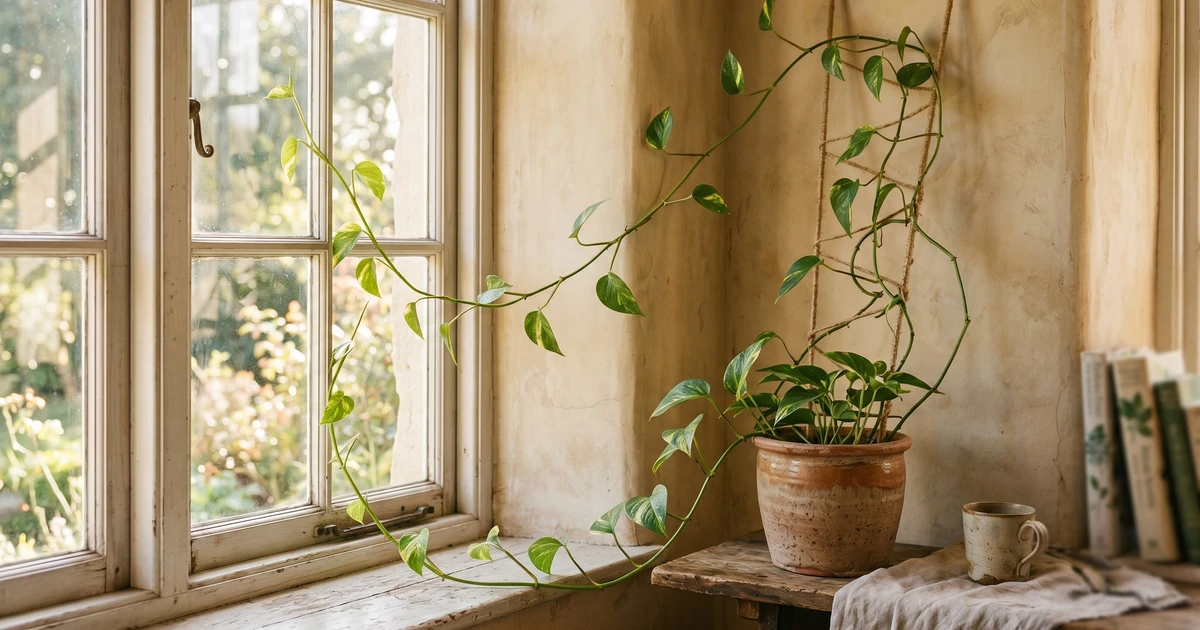
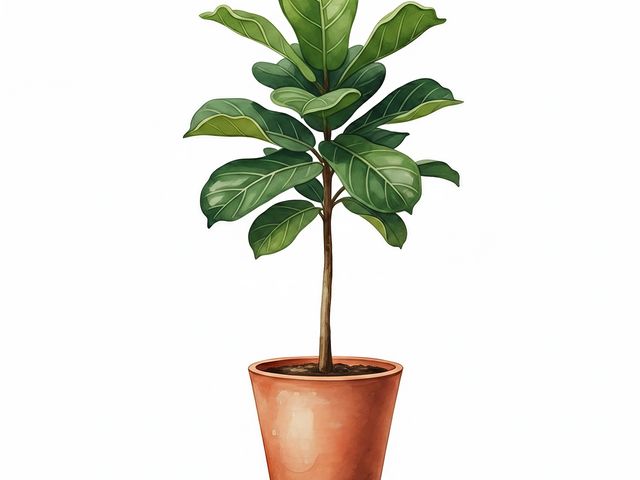
aspidistra elatior
Evidence-based care guide for Aspidistra Elatior (). Covers disease treatment, symptom diagnosis, lighting and watering. Our analysis draws from 8 verified community cases with an average confidence score of 87%. Each protocol is synthesized from real rescue outcomes, not generic advice.
Care Essentials
Get to Know Your Aspidistra Elatior
The #1 killer? Overwatering. Let the soil dry between waterings and your Aspidistra Elatior will thrive.
Light
medium to bright indirect
Most comfortable in medium to bright indirect light. Avoid prolonged direct sun exposure.
💡 Grow lights: Thrives under artificial grow lights (LED or fluorescent, 10-12 hours/day). A great option if your space lacks natural light.
Watering
every 7-10 days
Water when the top 1-2 inches of soil feel dry. Adjust with the seasons — less in winter, more in summer.
Humidity & Temperature
Appreciates some humidity but adapts to average home conditions. Brown tips in winter? Your air might be too dry — a light misting helps.
Standard room temperature (60-80°F / 15-27°C) is perfect. Avoid cold drafts and sudden temperature swings.
Soil
Use a moisture-retentive potting mix with some peat or coco coir. Avoid overly chunky mixes that dry out too fast.
Care Requirements
At a Glance
Care Profile in Development
While our detailed care profile is being compiled, you can find specific care guidance in the 4 care-related diagnoses below — including watering schedules, light requirements, and propagation methods from real-world cases.
Start Here
Most Common Problems
Based on 8 analyzed cases — these are the issues you're most likely to encounter
Don't see your symptom? Search all 6 topics below, or run the Diagnostic.
Aspidistra Elatior: Indestructible Houseplants
Aspidistra elatior earned its 'cast iron' and 'bar room plant' nicknames...
How much light does my Aspidistra Elatior need?
Aspidistra elatior possesses exceptional shade tolerance through morphological...
Aspidistra Care: Aspidistra Elatior Guide
Aspidistra elatior (Liliaceae family) possesses exceptional stress tolerance...
Why does my Aspidistra Elatior have root rot?
Sodden compost starves the rhizomes of oxygen; starved of oxygen they begin to...
Why are my Aspidistra Elatior leaves turning yellow?
When the air around the plant is too dry, the leaf edges turn brown and papery...
Which of the 7 Killers
is threatening your plants?
We use Plant Grail problem records — root rot, mites, light, humidity — to rank which failures show up most. Answer 5 questions and we'll tell you which ones match your setup.
Skip the quiz — get The 7 Killers course ($19) →Question 1 of 5
How do you decide when to water your plants?
Question 2 of 5
Where do most of your plants live?
Question 3 of 5
What's your home environment like?
Question 4 of 5
Have you lost a plant in the last 6 months?
Question 5 of 5
How often do you check your plants for pests?
Your diagnosis is ready
We've identified your top 2 risk killers. Enter your email to see the full breakdown and your personalized rescue protocol.
Your plants are most at risk from:

The 7 Killers mini-course covers mechanism, rescue protocol, and prevention for the failure classes that show up most in Grail. 7 lessons. $19.
Get The 7 Killers — $19 →Get the Plant Mortality Checklist
Root rot is the largest named failure class in Plant Grail. Free PDF of the failure map and what to check first.
Your checklist is ready!
We also sent it to your inbox. Check your email for the full download.
Open the ChecklistFree. No spam. Unsubscribe anytime.
Verified Data
All Diagnoses
6 topics from 8 Grail records. Expand any topic to see the protocol.
Symptoms (2 topics · 2 cases)
Why do my Aspidistra Elatior leaves have brown tips?
Aspidistra tolerates a week or two of forgetting to water without complaint, but if total neglect continues, the leaf tips are the first part of the plant to register protest and they turn crispy brown before any whole-leaf dieback appears
80%
Why do my Aspidistra Elatior leaves have brown tips?
Aspidistra tolerates a week or two of forgetting to water without complaint, but if total neglect continues, the leaf tips are the first part of the plant to register protest and they turn crispy brown before any whole-leaf dieback appears
Cause
Aspidistra tolerates a week or two of forgetting to water without complaint, but if total neglect continues, the leaf tips are the first part of the plant to register protest and they turn crispy brown before any whole-leaf dieback appears.
Solutions
- Water the compost thoroughly until excess drains from the bottom of the pot, then return to the aspidistra routine of lightly moist soil rather than letting it go bone dry again.
- Wipe the waxy leaves with a damp cloth to remove dust and to monitor whether new tip-browning appears after watering resumes.
Prevention
Probe the compost with a finger before each watering and water once it is approaching dryness; aspidistra prefers lightly moist soil over the long dry stretches that scorch its leaf tips.
Why are my Aspidistra Elatior leaves turning yellow?
When the air around the plant is too dry, the leaf edges turn brown and papery and whole leaves start to yellow as moisture is pulled out of the broad, leathery foliage faster than the rhizomes can replace it through the roots
80%
Why are my Aspidistra Elatior leaves turning yellow?
When the air around the plant is too dry, the leaf edges turn brown and papery and whole leaves start to yellow as moisture is pulled out of the broad, leathery foliage faster than the rhizomes can replace it through the roots
Cause
When the air around the plant is too dry, the leaf edges turn brown and papery and whole leaves start to yellow as moisture is pulled out of the broad, leathery foliage faster than the rhizomes can replace it through the roots.
Solutions
- Stand the pot on a tray of wet pebbles or surround it with moist peat to raise the humidity immediately around the leaves.
- Mist-spray the foliage regularly, but use rainwater rather than hard mains water to avoid lime deposits on the waxy leaf surface.
Prevention
Keep the aspidistra out of dry heat sources and group it with other humidity-loving plants so the indoor microclimate stays stable around the broad leaves year-round.
Diseases (1 topics · 1 cases)
Why does my Aspidistra Elatior have root rot?
Sodden compost starves the rhizomes of oxygen; starved of oxygen they begin to rot, and the plant is likely to die
80%
Why does my Aspidistra Elatior have root rot?
Sodden compost starves the rhizomes of oxygen; starved of oxygen they begin to rot, and the plant is likely to die
Cause
Sodden compost starves the rhizomes of oxygen; starved of oxygen they begin to rot, and the plant is likely to die. Standing water in the saucer after watering is the typical trigger, with overwatering causing marked leaves first and rot in extreme cases.
Solutions
- Let the compost dry out almost completely between waterings, then follow the aspidistra routine of once or twice a week in spring and summer and once every 7 to 10 days in winter, less in low temperatures.
- Never allow the pot to stand in water in its saucer; after watering, tip out any excess so the rhizomes never sit in stagnant water.
Prevention
Use a loam-based potting mix with good drainage and pot-on only every three years in spring, so the rhizomes have room without staying wet for long after each watering.
Care Methods (1 topics · 1 cases)
Aspidistra Care: Aspidistra Elatior Guide
Aspidistra elatior (Liliaceae family) possesses exceptional stress tolerance including pulsed electric field responsiveness for negative air ion generation, drought-resistant rhizomatous root systems, and shade-tolerant leaf anatomy with thick cuticles
90%
Aspidistra Care: Aspidistra Elatior Guide
Aspidistra elatior (Liliaceae family) possesses exceptional stress tolerance including pulsed electric field responsiveness for negative air ion generation, drought-resistant rhizomatous root systems, and shade-tolerant leaf anatomy with thick cuticles
Cause
Aspidistra elatior (Liliaceae family) possesses exceptional stress tolerance including pulsed electric field responsiveness for negative air ion generation, drought-resistant rhizomatous root systems, and shade-tolerant leaf anatomy with thick cuticles. These adaptations make it one of the most resilient ornamental houseplants.
Solutions
- Position in areas with 50-500 foot-candles of light; survives in windowless rooms with artificial light
- Allow soil to dry completely between waterings; rhizomes store water for extended periods
- Use pots with drainage holes; tolerates being root-bound and rarely needs repotting
- Wipe broad leaves with damp cloth monthly to remove dust and optimize light absorption
- Repot only when roots visibly circle the pot bottom, typically every 3-5 years
Prevention
Research (PMID 26094455) indicates enhanced physiological activity under specific electrical field conditions, though standard indoor care requires no special treatment. The primary failure mode is overwatering causing rhizome rot.
Other Topics (2 topics · 2 cases)
How much light does my Aspidistra Elatior need?
Aspidistra elatior possesses exceptional shade tolerance through morphological adaptations including large, dark green leaves with high chlorophyll concentration per unit area and efficient light-harvesting complexes
92%
How much light does my Aspidistra Elatior need?
Aspidistra elatior possesses exceptional shade tolerance through morphological adaptations including large, dark green leaves with high chlorophyll concentration per unit area and efficient light-harvesting complexes
Cause
Aspidistra elatior possesses exceptional shade tolerance through morphological adaptations including large, dark green leaves with high chlorophyll concentration per unit area and efficient light-harvesting complexes. The plant's evolutionary history in East Asian forest understories with only 1-5% of full sunlight created extreme low-light adaptation.
Solutions
- Place in north-facing windows, interior rooms, or offices with only fluorescent lighting
- Tolerates as little as 50 lux (10-20 foot-candles) indefinitely
- Rotate plant 90° monthly if near a window to promote even growth
- If leaves lose dark green color, gradually increase light exposure over 2-3 weeks
- For windowless rooms: provide 8-12 hours of standard LED lighting daily
Prevention
Avoid direct sunlight which causes leaf bleaching and brown scorched patches. Variegated varieties require slightly more light (100-200 foot-candles minimum) than the standard dark green form.
Aspidistra Elatior: Indestructible Houseplants
Aspidistra elatior earned its 'cast iron' and 'bar room plant' nicknames through documented survival in Victorian England's poorly lit, polluted pubs and parlors
93%
Aspidistra Elatior: Indestructible Houseplants
Aspidistra elatior earned its 'cast iron' and 'bar room plant' nicknames through documented survival in Victorian England's poorly lit, polluted pubs and parlors
Cause
Aspidistra elatior earned its 'cast iron' and 'bar room plant' nicknames through documented survival in Victorian England's poorly lit, polluted pubs and parlors. Scientific studies (PMID 26094455) confirm its unique physiological resilience including negative air ion generation capacity and extreme environmental tolerance spanning temperature fluctuations, drought, and neglect.
Solutions
- Recognize signs of survival: even severely dehydrated plants can recover from rhizomes
- If all leaves die back, check rhizomes - firm, white rhizomes indicate plant can regenerate
- Keep rhizomes slightly moist but never wet during recovery phase
- New growth typically emerges from rhizome nodes within 2-8 weeks after stress removal
- Divide crowded clumps by separating rhizomes with clean knife for propagation
Prevention
The only reliable way to kill Aspidistra is through persistent overwatering leading to rhizome rot or extended freezing temperatures below 35°F. Otherwise, the plant tolerates virtually all indoor conditions including low humidity, dust, and irregular care.
Common Questions
Frequently Asked Questions
Why does my aspidistra elatior have Indestructible houseplants?
Cause: Aspidistra elatior earned its 'cast iron' and 'bar room plant' nicknames through documented survival in Victorian England's poorly lit, polluted pubs and parlors. Scientific studies (PMID 26094455) confirm its unique physiological resilience including negative air ion generation capacity and extreme environmental tolerance spanning temperature fluctuations, drought, and neglect.
Solution: Recognize signs of survival: even severely dehydrated plants can recover from rhizomes
Prevention: The only reliable way to kill Aspidistra is through persistent overwatering leading to rhizome rot or extended freezing temperatures below 35°F. Otherwise, the plant tolerates virtually all indoor conditions including low humidity, dust, and irregular care.
93% confidence · View full protocol →
Why does my aspidistra elatior have Cast iron plant light?
Cause: Aspidistra elatior possesses exceptional shade tolerance through morphological adaptations including large, dark green leaves with high chlorophyll concentration per unit area and efficient light-harvesting complexes. The plant's evolutionary history in East Asian forest understories with only 1-5% of full sunlight created extreme low-light adaptation.
Solution: Place in north-facing windows, interior rooms, or offices with only fluorescent lighting
Prevention: Avoid direct sunlight which causes leaf bleaching and brown scorched patches. Variegated varieties require slightly more light (100-200 foot-candles minimum) than the standard dark green form.
92% confidence · View full protocol →
Why does my aspidistra elatior have Aspidistra care?
Cause: Aspidistra elatior (Liliaceae family) possesses exceptional stress tolerance including pulsed electric field responsiveness for negative air ion generation, drought-resistant rhizomatous root systems, and shade-tolerant leaf anatomy with thick cuticles. These adaptations make it one of the most resilient ornamental houseplants.
Solution: Position in areas with 50-500 foot-candles of light; survives in windowless rooms with artificial light
Prevention: Research (PMID 26094455) indicates enhanced physiological activity under specific electrical field conditions, though standard indoor care requires no special treatment. The primary failure mode is overwatering causing rhizome rot.
90% confidence · View full protocol →
Why does my aspidistra elatior have Root rot?
Cause: Sodden compost starves the rhizomes of oxygen; starved of oxygen they begin to rot, and the plant is likely to die. Standing water in the saucer after watering is the typical trigger, with overwatering causing marked leaves first and rot in extreme cases.
Solution: Let the compost dry out almost completely between waterings, then follow the aspidistra routine of once or twice a week in spring and summer and once every 7 to 10 days in winter, less in low temperatures.
Prevention: Use a loam-based potting mix with good drainage and pot-on only every three years in spring, so the rhizomes have room without staying wet for long after each watering.
80% confidence · View full protocol →
Why does my aspidistra elatior have Yellow leaves?
Cause: When the air around the plant is too dry, the leaf edges turn brown and papery and whole leaves start to yellow as moisture is pulled out of the broad, leathery foliage faster than the rhizomes can replace it through the roots.
Solution: Stand the pot on a tray of wet pebbles or surround it with moist peat to raise the humidity immediately around the leaves.
Prevention: Keep the aspidistra out of dry heat sources and group it with other humidity-loving plants so the indoor microclimate stays stable around the broad leaves year-round.
80% confidence · View full protocol →
Common Questions
Frequently Asked About Aspidistra Elatior
What problems can Aspidistra Elatior get?
Plant Grail records 8 Aspidistra Elatior problems, including pests, watering stress, and environmental damage, each with a fix.
Structured Learning
Ready to Go Deeper?
Explore our Mastery Packs for structured, video-based learning with step-by-step protocols from 4,272 analyzed plant cases.
Browse All Courses →