PANEL 1411-P07 New finding: humidity ≠ brown tips in 96% of cases EVIDENCE Monstera fenestration linked to light hours, not age GRAIL 2,703 verified diagnoses and counting STUDY Overwatering confirmed as #1 killer across all species NEW Snake plant rot rescue protocol updated DATA 20,000+ raw cases analyzed across 216 species PANEL 1411-P07 New finding: humidity ≠ brown tips in 96% of cases EVIDENCE Monstera fenestration linked to light hours, not age GRAIL 2,703 verified diagnoses and counting STUDY Overwatering confirmed as #1 killer across all species NEW Snake plant rot rescue protocol updated DATA 20,000+ raw cases analyzed across 216 species
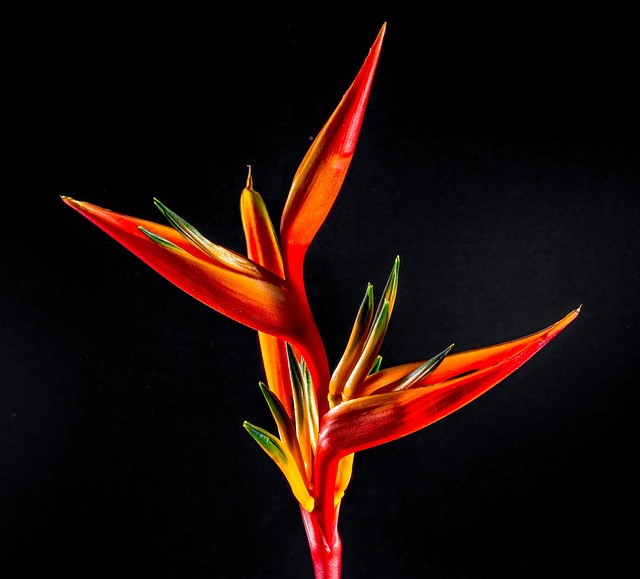
Bird Of Paradise — care guide and common problems
Bird Of Paradise

bird of paradise

Strelitzia reginae

Also known as: Strelitzia

Evidence-based care guide for Bird Of Paradise (Strelitzia reginae). Covers symptom diagnosis, disease treatment, pest control, propagation methods, watering and lighting. Our analysis draws from 36 verified community cases with an average confidence score of 88%. Each protocol is synthesized from real rescue outcomes, not generic advice.

36 diagnoses
Avg. confidence 88%

Care Essentials

Get to Know Your Bird Of Paradise

Light is everything for this plant. Get the placement right and everything else falls into place.

Light

bright indirect

Wants bright, indirect light — sensitive to both extremes. Too much direct sun causes burns, too little causes stretching.

💡 Grow lights: Thrives under artificial grow lights (LED or fluorescent, 10-12 hours/day). A great option if your space lacks natural light.

Watering

every 7-10 days

Water when the top 1-2 inches of soil feel dry. Adjust with the seasons — less in winter, more in summer.

Humidity & Temperature

Loves higher humidity (60%+). If your air is dry, group it with other plants, use a pebble tray, or run a humidifier nearby.

Prefers moderate temperatures (60-80°F). Keep away from radiators and intense afternoon sun windows.

Soil

Needs well-draining soil — add perlite or orchid bark to a standard potting mix. Good drainage is critical to prevent root rot.

⚠️ May be toxic to pets. Keep out of reach of cats, dogs, and small children.
Difficulty intermediate

Care Requirements

At a Glance

Care Profile in Development

While our detailed care profile is being compiled, you can find specific care guidance in the 3 care-related diagnoses below — including watering schedules, light requirements, and propagation methods from real-world cases.

Start Here

Most Common Problems

Based on 36 analyzed cases — these are the issues you're most likely to encounter

Don't see your symptom? Search all 28 topics below, or run the Diagnostic.

Free Diagnostic

Which of the 7 killers is threatening your plants? Take the 60-second quiz — we'll tell you exactly.

60 seconds · Free

Which of the 7 Killers
is threatening your plants?

We analyzed 1,616 documented plant deaths to identify the 7 causes behind 78% of all losses. Answer 5 questions — we'll tell you exactly which ones apply to your setup.

Skip the quiz — get The 7 Killers course ($19) →

Question 1 of 5

How do you decide when to water your plants?

Question 2 of 5

Where do most of your plants live?

Question 3 of 5

What's your home environment like?

Question 4 of 5

Have you lost a plant in the last 6 months?

Question 5 of 5

How often do you check your plants for pests?

🔬

Your diagnosis is ready

We've identified your top 2 risk killers. Enter your email to see the full breakdown and your personalized rescue protocol.

No spam. One-click unsubscribe anytime.

Your Plant Mortality Diagnosis

Your plants are most at risk from:

The 7 Killers: What 1,616 Dead Houseplants Taught Us — $19 mini-course

The 7 Killers mini-course covers every one of these in depth — mechanism, rescue protocol, prevention. 1,616 cases. 7 lessons. $19.

Get The 7 Killers — $19 →

Read the full mortality report (free) →

Get the Plant Mortality Checklist

The 7 killers behind 78% of houseplant deaths — and the exact fix for each. Free PDF based on 1,616 documented cases.

Free. No spam. Unsubscribe anytime.

Verified Data

All Diagnoses

28 topics consolidated from 36 documented cases. Expand any topic to see all protocols.

Symptoms (5 topics · 7 cases)

Bird Of Paradise: Brown Edges

Brown, crispy edges on Bird of Paradise leaves result from two primary indoor stressors: low humidity below 40% RH causing desiccation of leaf margins where stomata are most concentrated, and mineral salt buildup from hard tap water containing fluoride, chlorine, and calcium

87%
Cause

Brown, crispy edges on Bird of Paradise leaves result from two primary indoor stressors: low humidity below 40% RH causing desiccation of leaf margins where stomata are most concentrated, and mineral salt buildup from hard tap water containing fluoride, chlorine, and calcium. Strelitzia leaves have thin cuticles and high transpiration rates adapted to humid coastal South African climates. When indoor humidity drops below optimal 50-70% range, leaf margins lose moisture faster than the vascular system can replace it, triggering necrosis.

Solutions
  • 1. Diagnose the cause: Crispy, dry brown edges suggest low humidity; uniform browning at tips suggests hard water/chemical sensitivity
  • 2. Increase humidity immediately: Maintain 50-60% RH via humidifier or pebble trays; mist daily if no fungal issues present
  • 3. Switch water sources: Use distilled, rainwater, or filtered water left standing 24 hours to off-gas chlorine; never use softened water
  • 4. Flush soil monthly: Water thoroughly with 3x pot volume of distilled water to leach accumulated salts
  • 5. Trim affected tissue: Use clean shears to remove brown sections, cutting at angle following natural leaf margin; never remove more than 25% of leaf surface
Prevention

Maintain 50-60% humidity year-round using humidifiers. Use distilled or rainwater only. Group plants to create microclimate. Flush soil quarterly to prevent salt accumulation. Position away from heating vents and drafts. Use pebble trays with water below pebble surface.

What are these brown spots on my Bird Of Paradise?

Spider mite infestation (Tetranychus urticae) causes brown stippling spots on Bird of Paradise leaves

2 protocols 90–92%

Protocol 1: brown spots · 92% confidence

Cause

Spider mite infestation (Tetranychus urticae) causes brown stippling spots on Bird of Paradise leaves. The microscopic arachnids extract chlorophyll via rasping mouthparts, creating thousands of tiny feeding punctures that appear as mobile brown dots and progress to bronzing. Low indoor humidity (<50% RH) accelerates population explosions.

Solutions
  • 1. Inspect leaf undersides with magnifying glass for fine silk webbing, eggs, or moving mites
  • 2. Isolate plant immediately; remove heavily infested leaves
  • 3. Shower foliage weekly with tap water blasts to undersides to dislodge pests
  • 4. Apply neem oil spray (1-2% solution) or insecticidal soap weekly for 3-4 weeks
  • 5. Ensure full coverage including leaf undersides; treat early morning or evening
Prevention

Maintain 50-70% humidity year-round; quarantine new plants 2 weeks; conduct monthly underside inspections with 10x loupe.

Protocol 2: brown spots · 90% confidence

Cause

Brown spots on Bird of Paradise leaves indicate localized stress. 1) Pests: Spider mites or thrips cause stippling (tiny dots) often accompanied by fine webbing or mobile specks; 2) Water Quality: Sensitivity to fluoride/chlorine in tap water leads to necrotic spots and tip burn; 3) Low Humidity: Dry air (<40%) causes leaf cracking and brown margins; 4) Environmental Scorch: Direct sun or excessive heat (>90�F) creates discrete, non-spreading brown patches; 5) Root Stress: Compacted soil or root-bound conditions limit aeration, manifesting as stress spots.

Solutions
  • Pest Treatment: Inspect leaf undersides; wipe with soapy water and apply neem oil or insecticidal soap weekly for 3-4 weeks if pests are detected.
  • Water Quality: Flush soil with distilled or rainwater; switch to low-mineral water sources permanently.
  • Humidity Adjustment: Increase ambient humidity to 50-70% via humidifier or pebble tray.
  • Root Care: If roots are circling the pot, repot into a container 1-2 inches larger using a chunky aroid mix (orchid bark/perlite).
  • Light Shielding: Relocate further from direct sun to prevent heat/light scorch.
Prevention

Perform monthly leaf cleaning; maintain 50%+ humidity; avoid chlorinated tap water; repot every 2-3 years.

Why do my Bird Of Paradise leaves have brown tips?

Brown tips on Bird of Paradise result from hard water mineral accumulation and chronic low humidity

85%
Cause

Brown tips on Bird of Paradise result from hard water mineral accumulation and chronic low humidity. Calcium, magnesium, and fluoride from tap water deposit at leaf margins where transpiration is highest. Dry indoor air (<40% RH) accelerates marginal necrosis, creating crispy brown tips distinct from uniform yellowing.

Solutions
  • 1. Switch immediately to distilled, rainwater, or filtered water for all watering
  • 2. Flush soil thoroughly with pure water (3x pot volume) to leach accumulated mineral salts
  • 3. Increase ambient humidity to 50-60% via humidifier, pebble tray, or plant grouping
  • 4. Trim brown tips with sterilized scissors—cut at an angle to mimic natural leaf shape
  • 5. Monitor new growth for clean, unblemished tips over 4-6 weeks
Prevention

Use filtered, rainwater, or distilled water consistently; maintain 50-60% humidity via humidifier or pebble trays; avoid overhead watering that concentrates minerals at leaf tips.

Why is my Bird Of Paradise wilting?

Drooping leaves on Bird of Paradise indicate severe turgor loss from underwatering

87%
Cause

Drooping leaves on Bird of Paradise indicate severe turgor loss from underwatering. When soil dries beyond surface level, capillary action fails and roots cannot uptake moisture, causing petioles to soften and leaves to wilt dramatically. This is a reversible 'drought flag' distinct from root rot.

Solutions
  • 1. Perform finger test: insert finger 2-3 inches deep; if not damp at fingertip despite dry surface, plant is underwatered
  • 2. Soak entire pot in bucket of room-temperature water up to brim for 2-4 hours until bubbles stop
  • 3. Weight down plant if pot tries to float; ensure full soil saturation
  • 4. Drain excess water and place in bright indirect light to recover
  • 5. Expect recovery within 24-48 hours as turgor restores
Prevention

Maintain consistent soil moisture by watering when top 1-2 inches dry but deeper soil remains damp; use well-draining soil with perlite.

Why are my Bird Of Paradise leaves turning yellow?

Yellowing in Bird of Paradise is often physiological but can signal care errors

2 protocols 87–92%

Protocol 1: yellow leaves · 92% confidence

Cause

Yellowing in Bird of Paradise is often physiological but can signal care errors. 1) Natural Senescence: The oldest outer leaf yellows and dies to redirect energy to new growth (typically after a new leaf emerges); 2) Nutrient Deficiency: New leaves yellowing or showing pale veins (chlorosis) suggests a lack of nitrogen, magnesium, or iron; 3) Overwatering: Widespread yellowing starting at the base often indicates root rot or poor drainage; 4) Rootbound: Clumping offsets yellow when pot space is exhausted; 5) Low Light: Insufficient energy causes new leaves to yellow prematurely.

Solutions
  • Natural Cycle: If it is only the oldest bottom leaf and the rest of the plant is healthy, prune the leaf at the base once it fully yellows.
  • Nutrient Boost: If new leaves are yellow, apply a balanced all-purpose fertilizer at half strength during the growing season.
  • Root Rescue: If multiple leaves are yellowing, unpot and inspect roots for mushy brown rot; trim and repot in fresh, aerated soil (add perlite/bark).
  • Clump Division: Separate crowded offsets into their own pots to stop root competition.
  • Light Correction: Move the plant within 1-2 feet of a bright window (East or South facing).
Prevention

Water only when top 2-3 inches of soil are dry; maintain bright indirect light; fertilize monthly in spring/summer; repot every 2 years to prevent root constriction.

Protocol 2: yellow leaves · 87% confidence

Cause

Nutrient deficiency (nitrogen or magnesium) causes sudden yellowing of newer leaves on Bird of Paradise. The plant's slow growth rate (2-3 leaves annually) leads to nutrient prioritization toward mature foliage; emerging growth suffers when mobile nutrients are remobilized from newer to older leaves during deficiency stress.

Solutions
  • 1. Apply balanced all-purpose fertilizer (10-10-10 NPK) at half strength
  • 2. Fertilize once every 4 weeks during active growth period
  • 3. Inspect undersides of leaves and soil for pests using magnifying glass
  • 4. Ensure bright indirect light (2000-5000 lux) and humidity above 50%
  • 5. Prune yellow leaf at base to redirect energy; avoid removing more than 20% foliage
Prevention

Implement monthly fertilization with balanced NPK during active growth (spring-fall); maintain 60-70% humidity and consistent bright indirect light to support nutrient uptake.

Diseases (1 topics · 2 cases)

Why does my Bird Of Paradise have root rot?

Root rot in Bird of Paradise is often confused with physiological stress

2 protocols 90–90%

Protocol 1: root rot · 90% confidence

Cause

Root rot in Bird of Paradise is often confused with physiological stress. 1) True Pathogenic Rot: Caused by anaerobic, waterlogged soil and pathogens like Pythium; 2) Transplant Shock: BOP is sensitive to root disturbance and may wilt or yellow post-repotting without having rot; 3) Low Light Stagnation: Insufficient energy halts growth and causes slow decline, which users misinterpret as root failure; 4) Beneficial Fungus: Harmless white mycelium in moist, rich soil can be mistaken for rot.

Solutions
  • Tactile Diagnosis: Gently unpot and touch the roots. Healthy roots are firm and white/tan; rotted roots are black, mushy, and melt between fingers.
  • Surgical Trim: If rot is confirmed, trim all mushy sections flush to healthy tissue with sterilized shears.
  • Peroxide Bath: Soak viable roots in a diluted 3% hydrogen peroxide solution (1 part H2O2 to 4 parts water) for 20 minutes to kill remaining spores.
  • Repotting: Use a fresh, coarse mix (50% soil, 30% perlite, 20% orchid bark) in a well-draining pot. Avoid terracotta if you struggle with consistent moisture, but use it if you tend to overwater.
  • Post-Rescue Care: Place in bright indirect light and withhold fertilizer for at least 1 month.
Prevention

Never water on a schedule; use a moisture meter or finger test to ensure the top 3 inches are dry; maintain high light (2000+ foot-candles) to ensure the plant processes water efficiently.

Protocol 2: root rot · 90% confidence

Cause

Root rot in Bird of Paradise develops from prolonged overwatering or poor drainage creating anaerobic soil conditions. Fungal pathogens like Pythium and Fusarium colonize oxygen-deprived rhizomes, causing necrotic tissue that appears black, mushy, and emits foul odor. The plant's fibrous root system is highly susceptible to rot when waterlogged.

Solutions
  • 1. Gently remove plant from pot and rinse roots under lukewarm water to expose all tissue
  • 2. Inspect roots: healthy are firm/white; rotted are black/mushy with foul smell
  • 3. Sterilize pruning shears with alcohol; trim ALL rotted roots flush to healthy tissue
  • 4. Soak remaining roots in 3% hydrogen peroxide solution (1:4 dilution) for 20-30 minutes to sterilize
  • 5. Repot in fresh well-draining mix (50% potting soil, 30% perlite, 20% orchid bark) with multiple drainage holes
Prevention

Water only when top 2-3 inches of soil are dry; use pots with drainage holes and empty saucers promptly; maintain gritty, aerated soil mixes with 30%+ perlite/orchid bark.

Pests (1 topics · 1 cases)

Why does my Bird Of Paradise have mealybugs?

Mealybug infestation (Pseudococcidae family) affects Bird of Paradise in warm, humid indoor environments

90%
Cause

Mealybug infestation (Pseudococcidae family) affects Bird of Paradise in warm, humid indoor environments. These sap-sucking pests colonize leaf axils and undersides, appearing as cottony white masses with waxy protective coating. Poor quarantine and inadequate airflow allow establishment and spread.

Solutions
  • 1. Inspect all leaves, stems, and undersides for cottony white masses or waxy bumps
  • 2. Gently wipe visible mealybugs with soft cloth or Q-tip dampened with 70% isopropyl alcohol
  • 3. Apply alcohol directly to pests—the waxy coating dissolves on contact
  • 4. Repeat treatment every 3-5 days for 2-3 weeks to catch mobile nymphs and missed adults
  • 5. Follow up with neem oil or insecticidal soap spray weekly as preventive
Prevention

Maintain 50-70% humidity with good airflow via fans; quarantine new plants 2-4 weeks; conduct weekly inspections focusing on leaf axils; use neem oil prophylactically during spring growth.

Watering Issues (1 topics · 1 cases)

How often should I water my Bird Of Paradise?

Watering issues in Bird of Paradise stem from frequency mismatches and drainage failures rather than volume

91%
Cause

Watering issues in Bird of Paradise stem from frequency mismatches and drainage failures rather than volume. The plant's clumping rhizomatous root system requires oxygen exchange between waterings. Double-potting (nursery pot inside cache pot without drainage), compacted soil, or oversized pots create waterlogged conditions promoting anaerobic bacterial growth and root rot. Symptoms of overwatering (yellowing, mushy stems) often mimic underwatering (curling leaves) but require opposite treatments.

Solutions
  • Water thoroughly only when top 2-3 inches of soil are completely dry (finger test)
  • Ensure pot has drainage holes; avoid cache pots that trap water
  • Use well-draining soil mix with 30% perlite and 20% orchid bark
  • Lift pot after watering—excess water should exit within 30 seconds
  • Reduce watering frequency by 50% in winter when growth slows
  • If rot suspected: unpot, trim mushy roots, treat with hydrogen peroxide, repot in fresh dry mix
Prevention

Never use pots without drainage; match pot size to root ball (only 1-2 inches larger); use moisture meter calibrated to soil type; establish 'soak and dry' cycle; adjust frequency seasonally rather than maintaining fixed schedules.

Environment (1 topics · 2 cases)

Why does my Bird Of Paradise have sunburn?

Sunburn on Bird of Paradise is often permanent but rarely fatal

2 protocols 90–90%

Protocol 1: sunburn · 90% confidence

Cause

Sunburn on Bird of Paradise is often permanent but rarely fatal. 1) Direct UV Scorch: Occurs when indoor plants are moved suddenly to intense outdoor sun without acclimation; 2) Photoprotective Curling: A rapid defense mechanism where leaves curl inward to reduce surface area; 3) Scorch Mimics: Systemic diseases like Bacterial Soft Rot or Fusarium Wilt can cause brown, burnt-looking stalks that spread, unlike true sunburn which remains static.

Solutions
  • Immediate Action: Move sunburnt plants back to bright indirect light to stop cellular damage.
  • Pruning Strategy: Trim only fully brown, crispy leaf sections; leave partially damaged leaves as they still photosynthesize and provide energy for recovery.
  • Disease Check: If the burnt areas spread to new growth or look mushy, cut the infected stalk 6 inches below the damage with sterile shears and apply cinnamon to the cut.
  • Acclimation: Introduce the plant to sun gradually (1 hour of morning sun per day, increasing weekly).
Prevention

Never move an indoor Bird of Paradise to direct afternoon sun without a 2-week hardening-off period; maintain 50-60% humidity to help leaves handle light stress; use shade cloth (30-50%) for initial outdoor transitions.

Protocol 2: sunburn · 90% confidence

Cause

Direct sun exposure without acclimation causes photothermal leaf scorch on Bird of Paradise. Indoor plants adapted to diffuse light lack protective cuticle thickness and efficient photoprotective pigments, leading to irreversible cellular damage when exposed to PAR >1000 µmol/m²/s in direct afternoon sun.

Solutions
  • 1. Immediately relocate plant to bright indirect light or shade to halt further damage
  • 2. Trim only fully necrotic (brown, crispy) leaves at base using clean sterilized shears
  • 3. Maintain consistent soil moisture—not soggy—and 60-80% humidity
  • 4. Keep temperatures 65-85°F to support recovery
  • 5. Monitor for new basal growth over 4-8 weeks; fertilize lightly once growth resumes
Prevention

Gradually acclimate over 7-14 days starting with 1-2 hours morning sun, increasing weekly; maintain soil moisture and 50-70% humidity during transition.

Propagation (1 topics · 1 cases)

How do I propagate my Bird Of Paradise?

The primary issue is repotting into an oversized pot, which caused water retention in the soil due to excess volume relative to the root mass, leading to soggy conditions, potential early root rot, and stress symptoms (curling from water-light imbalance, yellowing from root oxygen deprivation)

90%
Cause

The primary issue is repotting into an oversized pot, which caused water retention in the soil due to excess volume relative to the root mass, leading to soggy conditions, potential early root rot, and stress symptoms (curling from water-light imbalance, yellowing from root oxygen deprivation). This was compounded by repotting shock and possibly intensified light exposure near the east-facing window, where morning sun can stress the plant if not moderated.

Solutions
  • Downsize to a snugger pot (root-bound preferred for BOP) and unpot to inspect roots for rot.
  • Trim any mushy roots to healthy white tissue, treat with diluted hydrogen peroxide (sit 10 min), and repot in well-aerated mix amended with orchid bark.
  • Remove no more than 1/3 of dead/yellow leaves.
  • Relocate slightly further from the east window for softer light while maintaining bright indirect exposure.
  • Withhold water for 1-2 days post-repot, then water only when top soil is fully dry (use finger test or meter).
Prevention

Maintain BOP slightly root-bound in pots matching root ball size; use chunky, aerated soil mixes (e.g., add 20-30% orchid bark or perlite); position in bright indirect light (east window ideal but 3-5 ft back); water based on soil dryness, not schedule, adjusting for seasonal humidity drops.

Care Methods (3 topics · 5 cases)

Care Requirements: Bird Of Paradise Guide

Bird of Paradise (Strelitzia reginae) is a clumping tropical perennial native to South Africa that requires specific environmental conditions to thrive indoors

90%
Cause

Bird of Paradise (Strelitzia reginae) is a clumping tropical perennial native to South Africa that requires specific environmental conditions to thrive indoors. As a slow-growing species producing only 2-3 leaves annually, it is particularly sensitive to environmental fluctuations. Success depends on mimicking its native subtropical habitat with adequate light, humidity, and well-draining soil conditions.

Solutions
  • Provide bright indirect light (2000-5000 lux) or 4-6 hours direct morning sun
  • Maintain 50-60% humidity using humidifiers, pebble trays, or plant grouping
  • Use well-draining soil: 50% potting mix, 30% perlite, 20% orchid bark
  • Water thoroughly when top 2 inches of soil are dry; reduce frequency in winter
  • Fertilize monthly during spring-fall with diluted balanced fertilizer (10-10-10)
  • Repot every 2-3 years when rootbound; divide clumps if desired
Prevention

Stabilize environment before introducing plant; avoid drafts and temperature fluctuations; use pots with drainage holes exclusively; acclimate gradually to new locations over 7-14 days; monitor with hygrometer and light meter.

Hydrogen Peroxide Drench: How to Use for Bird Of Paradise

The primary issue is repotting into an oversized pot, which caused water retention in the soil due to excess volume relative to the root mass, leading to soggy conditions, potential early root rot, and stress symptoms (curling from water-light imbalance, yellowing from root oxygen deprivation)

2 protocols 90–90%

Protocol 1: hydrogen peroxide drench · 90% confidence

Cause

The primary issue is repotting into an oversized pot, which caused water retention in the soil due to excess volume relative to the root mass, leading to soggy conditions, potential early root rot, and stress symptoms (curling from water-light imbalance, yellowing from root oxygen deprivation). This was compounded by repotting shock and possibly intensified light exposure near the east-facing window, where morning sun can stress the plant if not moderated.

Solutions
  • Downsize to a snugger pot (root-bound preferred for BOP) and unpot to inspect roots for rot.
  • Trim any mushy roots to healthy white tissue, treat with diluted hydrogen peroxide (sit 10 min), and repot in well-aerated mix amended with orchid bark.
  • Remove no more than 1/3 of dead/yellow leaves.
  • Relocate slightly further from the east window for softer light while maintaining bright indirect exposure.
  • Withhold water for 1-2 days post-repot, then water only when top soil is fully dry (use finger test or meter).
Prevention

Maintain BOP slightly root-bound in pots matching root ball size; use chunky, aerated soil mixes (e.g., add 20-30% orchid bark or perlite); position in bright indirect light (east window ideal but 3-5 ft back); water based on soil dryness, not schedule, adjusting for seasonal humidity drops.

Protocol 2: hydrogen peroxide drench · 90% confidence

Cause

The primary issue is repotting into an oversized pot, which caused water retention in the soil due to excess volume relative to the root mass, leading to soggy conditions, potential early root rot, and stress symptoms (curling from water-light imbalance, yellowing from root oxygen deprivation). This was compounded by repotting shock and possibly intensified light exposure near the east-facing window, where morning sun can stress the plant if not moderated.

Solutions
  • Downsize to a snugger pot (root-bound preferred for BOP) and unpot to inspect roots for rot.
  • Trim any mushy roots to healthy white tissue, treat with diluted hydrogen peroxide (sit 10 min), and repot in well-aerated mix amended with orchid bark.
  • Remove no more than 1/3 of dead/yellow leaves.
  • Relocate slightly further from the east window for softer light while maintaining bright indirect exposure.
  • Withhold water for 1-2 days post-repot, then water only when top soil is fully dry (use finger test or meter).
Prevention

Maintain BOP slightly root-bound in pots matching root ball size; use chunky, aerated soil mixes (e.g., add 20-30% orchid bark or perlite); position in bright indirect light (east window ideal but 3-5 ft back); water based on soil dryness, not schedule, adjusting for seasonal humidity drops.

Bird Of Paradise: Root Surgery

The primary issue is repotting into an oversized pot, which caused water retention in the soil due to excess volume relative to the root mass, leading to soggy conditions, potential early root rot, and stress symptoms (curling from water-light imbalance, yellowing from root oxygen deprivation)

2 protocols 90–90%

Protocol 1: root surgery · 90% confidence

Cause

The primary issue is repotting into an oversized pot, which caused water retention in the soil due to excess volume relative to the root mass, leading to soggy conditions, potential early root rot, and stress symptoms (curling from water-light imbalance, yellowing from root oxygen deprivation). This was compounded by repotting shock and possibly intensified light exposure near the east-facing window, where morning sun can stress the plant if not moderated.

Solutions
  • Downsize to a snugger pot (root-bound preferred for BOP) and unpot to inspect roots for rot.
  • Trim any mushy roots to healthy white tissue, treat with diluted hydrogen peroxide (sit 10 min), and repot in well-aerated mix amended with orchid bark.
  • Remove no more than 1/3 of dead/yellow leaves.
  • Relocate slightly further from the east window for softer light while maintaining bright indirect exposure.
  • Withhold water for 1-2 days post-repot, then water only when top soil is fully dry (use finger test or meter).
Prevention

Maintain BOP slightly root-bound in pots matching root ball size; use chunky, aerated soil mixes (e.g., add 20-30% orchid bark or perlite); position in bright indirect light (east window ideal but 3-5 ft back); water based on soil dryness, not schedule, adjusting for seasonal humidity drops.

Protocol 2: root surgery · 90% confidence

Cause

The primary issue is repotting into an oversized pot, which caused water retention in the soil due to excess volume relative to the root mass, leading to soggy conditions, potential early root rot, and stress symptoms (curling from water-light imbalance, yellowing from root oxygen deprivation). This was compounded by repotting shock and possibly intensified light exposure near the east-facing window, where morning sun can stress the plant if not moderated.

Solutions
  • Downsize to a snugger pot (root-bound preferred for BOP) and unpot to inspect roots for rot.
  • Trim any mushy roots to healthy white tissue, treat with diluted hydrogen peroxide (sit 10 min), and repot in well-aerated mix amended with orchid bark.
  • Remove no more than 1/3 of dead/yellow leaves.
  • Relocate slightly further from the east window for softer light while maintaining bright indirect exposure.
  • Withhold water for 1-2 days post-repot, then water only when top soil is fully dry (use finger test or meter).
Prevention

Maintain BOP slightly root-bound in pots matching root ball size; use chunky, aerated soil mixes (e.g., add 20-30% orchid bark or perlite); position in bright indirect light (east window ideal but 3-5 ft back); water based on soil dryness, not schedule, adjusting for seasonal humidity drops.

Maintenance (1 topics · 1 cases)

When should I repot my Bird Of Paradise?

Strelitzia reginae and S

89%
Cause

Strelitzia reginae and S. nicolai develop massive, clumping rhizomatous root systems that prefer being slightly rootbound. When repotted into oversized containers (more than 2 inches larger than root ball), the excess soil volume retains moisture longer than roots can absorb, creating anaerobic zones that promote root rot. Additionally, rhizomatous roots seek confinement—they thrive when roots press against pot walls, signaling the plant to divert energy upward into leaves and potential flowering. Oversized pots also make giant specimens unstable and top-heavy, risking tipping injuries to both plant and owner.

Solutions
  • 1. Check root-to-pot ratio: Healthy roots should fill 80-90% of pot; repot only when circling roots visible at drainage holes
  • 2. Size up minimally: Select pot only 1-2 inches larger in diameter than current—never increase by more than 2 inches
  • 3. Use heavy containers: Ceramic or terracotta for specimens over 1.2m to counter top-heavy growth; plastic pots tip easily
  • 4. Two-person technique: One supports stem/crown while other handles root ball; never pull plant by leaves or stem
  • 5. Well-draining mix: Use 40% potting soil, 30% perlite, 30% orchid bark to prevent moisture retention
Prevention

Repot only every 2-3 years. Check root fill annually via drainage holes. For specimens over 2m, consider division every 3-4 years instead. Use shallow, wide pots matching rhizome spread. Never repot just for aesthetics—rootbound BoPs are healthier. Wait for clear signals: roots emerging from holes or plant lifting out easily.

Other Topics (14 topics · 16 cases)

Bird Of Paradise: Abnormal Splitting

While natural splitting is normal, excessive or abnormal splitting patterns indicate underlying issues

81%
Cause

While natural splitting is normal, excessive or abnormal splitting patterns indicate underlying issues. Sudden appearance of splits on multiple leaves simultaneously suggests environmental stress. Splits accompanied by yellowing, browning, or leaf collapse point to root problems, pest infestations, or extreme humidity/temperature stress. New leaves splitting before fully unfurling indicates systemic stress during development.

Solutions
  • Check for root rot: Unpot and inspect roots if splitting coincides with yellowing or drooping
  • Inspect for pests: Spider mites and thrips cause stippling that develops into splits; check undersides
  • Assess recent changes: New HVAC installation, seasonal heating changes, or relocation can trigger stress splitting
  • Verify watering: Both over and underwatering cause cellular stress that manifests as abnormal splitting
Prevention

Maintain consistent environmental conditions. Avoid sudden temperature changes greater than 10°F. Monitor soil moisture weekly to prevent root stress that translates to leaf symptoms.

Why are my Bird Of Paradise leaves curling?

Bird of Paradise leaves curl as a defense mechanism against stress

2 protocols 90–92%

Protocol 1: curling leaves · 92% confidence

Cause

Bird of Paradise leaves curl as a defense mechanism against stress. Primary triggers include: 1) Underwater/Low Humidity - leaves curl inward to minimize moisture loss; 2) Oversized Pots - causing soggy soil at the root ball and early root rot; 3) Light Shock - photoprotective curling when moved too quickly to direct sun; 4) Mineral Buildup - sensitivity to hard water/salts causing leaf margin stress.

Solutions
  • Check soil moisture: If bone-dry, perform a deep-soak (bottom-water for 1 hour) to rehydrate roots.
  • Inspect roots for rot: If soil is soggy, downsize to a pot only 1-2 inches larger than the root ball; trim mushy roots and treat with diluted hydrogen peroxide.
  • Acclimate to light: If curling coincides with more sun, move to a shadier spot and increase exposure gradually over 2-4 weeks.
  • Improve water quality: Use distilled, rain, or filtered water if tap water is hard.
Prevention

Maintain consistent 50-60% humidity; use a chunky aroid mix (50% soil, 30% perlite, 20% orchid bark); keep slightly root-bound in well-draining pots; avoid sudden environmental changes.

Protocol 2: curling leaves · 90% confidence

Cause

Underwatering causes Bird of Paradise leaves to curl inward as a physiological adaptation to conserve moisture. The plant's extensive rhizomatous root system requires thorough saturation to mimic natural deep watering in arid savanna environments. Surface soil moisture can be deceptive—roots 2+ inches deep may remain dry despite damp topsoil.

Solutions
  • 1. Test soil moisture by inserting finger 2 inches deep—if dry, water immediately
  • 2. Water thoroughly from top until excess drains from bottom holes
  • 3. Use deep-dish bottom-watering method: fill saucer to brim, allow 1-hour absorption for full root saturation
  • 4. Discard excess water after absorption to prevent root rot
Prevention

Water when top 2 inches of soil feel dry; provide deep soaking by placing nursery pot in a deep dish filled to brim for 1 hour to ensure full root saturation via capillary action.

Bird Of Paradise: Excess Volume Relative

The primary issue is repotting into an oversized pot, which caused water retention in the soil due to excess volume relative to the root mass, leading to soggy conditions, potential early root rot, and stress symptoms (curling from water-light imbalance, yellowing from root oxygen deprivation)

90%
Cause

The primary issue is repotting into an oversized pot, which caused water retention in the soil due to excess volume relative to the root mass, leading to soggy conditions, potential early root rot, and stress symptoms (curling from water-light imbalance, yellowing from root oxygen deprivation). This was compounded by repotting shock and possibly intensified light exposure near the east-facing window, where morning sun can stress the plant if not moderated.

Solutions
  • Downsize to a snugger pot (root-bound preferred for BOP) and unpot to inspect roots for rot.
  • Trim any mushy roots to healthy white tissue, treat with diluted hydrogen peroxide (sit 10 min), and repot in well-aerated mix amended with orchid bark.
  • Remove no more than 1/3 of dead/yellow leaves.
  • Relocate slightly further from the east window for softer light while maintaining bright indirect exposure.
  • Withhold water for 1-2 days post-repot, then water only when top soil is fully dry (use finger test or meter).
Prevention

Maintain BOP slightly root-bound in pots matching root ball size; use chunky, aerated soil mixes (e.g., add 20-30% orchid bark or perlite); position in bright indirect light (east window ideal but 3-5 ft back); water based on soil dryness, not schedule, adjusting for seasonal humidity drops.

Bird Of Paradise: Indoor Splitting

Even without wind, Bird of Paradise leaves split due to genetic programming combined with indoor stressors

78%
Cause

Even without wind, Bird of Paradise leaves split due to genetic programming combined with indoor stressors. Low humidity causes leaf tissue to become less flexible. Physical contact from pets, children, or cleaning activities creates micro-tears that propagate along natural weak points. Rapid leaf expansion during growth spurts can outpace structural reinforcement, creating tension splits along veins.

Solutions
  • Increase ambient humidity to 50-60% using humidifiers or pebble trays
  • Position plants away from high-traffic areas to prevent physical contact
  • Avoid moving or rotating plants frequently once leaves have established orientation
  • Provide consistent watering to prevent rapid turgor pressure changes that stress tissue
Prevention

Place Bird of Paradise in stable locations with minimal disturbance. Group with other tropical plants to create humidity microclimates that maintain leaf flexibility and reduce split propagation.

Bird Of Paradise: Leaf Splitting

Bird of Paradise (Strelitzia spp

92%
Cause

Bird of Paradise (Strelitzia spp.) leaves split naturally along pre-formed structural weakness lines as an evolutionary adaptation to high-wind coastal environments in their native South Africa. The banana-like leaves develop longitudinal splits starting at the leaf margin, which allows wind to pass through the canopy rather than catching and tearing the entire leaf. This is a structural adaptation, not a health problem. Indoor plants retain this genetic trait even in still air, causing mature leaves to split naturally as they age and expand beyond 18-24 inches in length.

Solutions
  • 1. Verify splits are natural: Look for clean tears following leaf veins, starting at outer margin, affecting older/larger leaves only
  • 2. Check new growth: If emerging leaves show splitting before unfurling, investigate mechanical damage or low humidity
  • 3. Accept mature leaf splits as normal; trim only if split extends to leaf base causing structural weakness
  • 4. Distinguish from damage: Natural splits are symmetrical and follow leaf venation; damage is irregular and can appear anywhere
Prevention

Not preventable and not a problem. Natural splitting is healthy leaf development. Position plant where split leaves are aesthetically acceptable; accept that leaves longer than 18 inches will likely develop 1-3 splits over their 6-12 month lifespan.

How much light does my Bird Of Paradise need?

Strelitzia reginae and S

88%
Cause

Strelitzia reginae and S. nicolai evolved as emergent canopy trees in South African savannas, requiring 6-8 hours of direct sun daily. Indoor environments typically provide 100-500 lux (indirect) versus the 2000-5000+ lux these plants need. When light drops below 1000 lux, photosynthesis cannot support the massive leaf surface area (up to 1.5m per leaf in mature specimens), triggering etiolation (weak, elongated stems), reduced leaf size, and inability to bloom. The plant prioritizes survival over reproduction under low light, explaining why indoor specimens rarely flower despite reaching 2m+ height.

Solutions
  • 1. Measure current light: Use phone lux meter app at leaf level; target minimum 2000 lux for 6+ hours daily
  • 2. Relocate to brightest window: South or west-facing with sheer curtain to filter intense afternoon sun
  • 3. Supplement with grow lights: Full-spectrum LED 12-14 hours daily, positioned 12-18 inches above canopy
  • 4. Rotate plant weekly: 1/4 turn to ensure even light distribution and prevent one-sided growth
  • 5. Acclimate gradually: Increase light exposure by 30 minutes every 3 days to prevent photoinhibition
Prevention

Position within 3 feet of south-facing window year-round. Use light meter quarterly to verify 2000+ lux. In winter when natural light drops, increase grow light duration to 16 hours. Never place more than 6 feet from brightest window—this is insufficient even for 'bright indirect light' claims.

Why isn't my Bird Of Paradise flowering?

Strelitzia reginae requires 6-8 years to reach maturity and flowering size, producing 4-6 flower stalks annually only after achieving a critical biomass threshold (minimum 1

91%
Cause

Strelitzia reginae requires 6-8 years to reach maturity and flowering size, producing 4-6 flower stalks annually only after achieving a critical biomass threshold (minimum 1.5m height and substantial rhizome mass). Indoor specimens rarely bloom due to insufficient light intensity—flowering requires 2500+ lux for 10+ hours daily, far exceeding typical indoor conditions (500-1000 lux). The photoperiod and intensity trigger hormonal pathways (florigen production) that indoor environments cannot sustain. Additionally, indoor plants rarely achieve the necessary root-to-shoot ratio for reproduction. S. nicolai (White Bird) is primarily grown for foliage and rarely flowers regardless of conditions.

Solutions
  • 1. Verify plant age: Must be 6+ years old with 20+ leaves; juvenile plants cannot bloom regardless of conditions
  • 2. Maximize light exposure: Position within 3 feet of south window providing 2500+ lux for 10+ hours; supplement with full-spectrum LED 14-16 hours daily
  • 3. Apply flowering fertilizer: Switch to low-nitrogen, high-phosphorus formula (5-10-5 or 3-5-3 NPK) during spring-summer growing season only
  • 4. Maintain cool nights: 55-65°F nighttime temperatures for 6-8 weeks in fall/winter triggers flowering hormones
  • 5. Accept rarity: Only mature, optimally-lit specimens bloom indoors; consider this a bonus, not an expectation
Prevention

Purchase mature specimens (6+ years, 2m+ height) only if flowering is priority. Maintain 2500+ lux year-round from day one. Never over-fertilize with nitrogen—it promotes leaves over flowers. Provide seasonal temperature variation (15°F day-night differential) to mimic natural seasonal cues. Be patient—indoor Bird of Paradise may take 3-5 years beyond maturity to produce first flower under optimal conditions.

Bird Of Paradise: No New Growth

No new growth in Bird of Paradise results from insufficient light exposure

85%
Cause

No new growth in Bird of Paradise results from insufficient light exposure. The plant requires 2000-5000 foot-candles for active growth; levels below 1000 fc trigger growth stasis as the plant enters a light-deficiency dormancy. This mimics root rot symptoms but is resolved by increasing PAR rather than repotting.

Solutions
  • 1. Assess current light with phone app or PAR meter to confirm <2000 foot-candles
  • 2. Relocate to brightest indoor spot—south/east window with direct morning sun
  • 3. Diffuse harsh afternoon sun with sheer curtains if needed
  • 4. Supplement with full-spectrum LED grow light (12-14 hours/day) positioned 12-24 inches above
  • 5. Monitor for new growth emergence in 4-6 weeks
Prevention

Maintain year-round bright light via seasonal repositioning or automated grow lights; track photoperiod with reminders to prevent winter slowdowns.

Bird Of Paradise: Split Identification

Not all splitting indicates problems

82%
Cause

Not all splitting indicates problems. Natural wind-adaptation splits follow leaf veins cleanly and appear symmetrically. Problematic damage results from physical trauma, low humidity, or pest issues and shows irregular patterns with browning edges. Natural splits develop as leaves mature; damage appears suddenly on any leaf age.

Solutions
  • Natural split signs: Clean edges following vein lines, no browning or yellowing, symmetric on leaf blade
  • Damage signs: Irregular tearing, brown crispy edges, yellow halos, asymmetric patterns
  • Physical trauma: Look for crushing marks, chew patterns, or scrape damage from contact
  • Low humidity damage: Multiple leaves show crispy brown tips with splits extending from margins
Prevention

Inspect new leaves monthly to establish baseline appearance. Document split patterns when leaves first unfurl to distinguish natural characteristics from developing damage.

Bird Of Paradise: Split Leaf Phenomenon

Strelitzia leaves develop natural splits along leaf veins as an evolutionary adaptation to coastal wind—perforations allow air to pass through, preventing tearing of the massive leaf surface (up to 1

87%
Cause

Strelitzia leaves develop natural splits along leaf veins as an evolutionary adaptation to coastal wind—perforations allow air to pass through, preventing tearing of the massive leaf surface (up to 1.5m). However, excessive splitting combined with inward curling indicates low humidity (<40% RH) or underwatering stress. In indoor environments, leaves lacking adequate moisture become brittle and split excessively, especially along weakened tissue lines. The split mechanism is functional in moderate amounts but becomes a distress signal when paired with crispy margins, brown edges, or rapid spread to newer leaves.

Solutions
  • 1. Distinguish natural from stress splits: Natural splits occur on mature outer leaves, are clean, and don't affect leaf function; stress splits affect newer leaves with crispy, brown edges
  • 2. Increase humidity immediately: Maintain 50-70% RH via humidifier or pebble tray—splits from dry air are reversible with moisture
  • 3. Water thoroughly when top 2-3 inches dry: Deep soak entire root ball until water drains from bottom holes
  • 4. Mist leaves daily: Focus on undersides where stomata are most active; avoid misting if leaf spot disease present
  • 5. Trim severely damaged sections: Use clean shears to remove splits extending more than 1/3 of leaf width; leave partial leaves intact for photosynthesis
Prevention

Maintain consistent 50-60% humidity year-round using automated humidifiers. Water deeply but only when soil is 50% dry. Position away from heating vents and drafts. Group plants to create microclimate humidity. Inspect leaves weekly for early splitting patterns.

Bird Of Paradise: Split Management

Mature Bird of Paradise plants develop character through natural splitting

79%
Cause

Mature Bird of Paradise plants develop character through natural splitting. Each split tells the story of the leaf's adaptation journey. Attempting to prevent all splitting creates unnecessary plant stress and disappointment. The key is accepting natural wind-adaptation splits while monitoring for actual damage patterns that affect plant health.

Solutions
  • Embrace natural splits: Consider them evidence of authentic tropical character
  • Trim only when necessary: Remove leaves where splits exceed 50% of blade and threaten stability
  • Prune at base: Cut damaged leaves at soil level rather than mid-leaf to encourage clean replacement
  • Focus on new growth: Ensure emerging leaves develop in optimal conditions for health over cosmetics
Prevention

Reframe expectations: A pristine Bird of Paradise is an immature Bird of Paradise. Splitting indicates the plant is expressing its genetic potential and adapting to its environment. Prioritize plant vitality over leaf perfection.

Bird Of Paradise: Transplant Shock

Transplant shock in Bird of Paradise occurs when the fibrous root system is disturbed during repotting

88%
Cause

Transplant shock in Bird of Paradise occurs when the fibrous root system is disturbed during repotting. The plant enters a prolonged recovery phase prioritizing root re-establishment over top growth, causing leaf drop, stalled growth, and stress symptoms for 3-12 months. This is distinct from root rot and represents physiological adaptation.

Solutions
  • 1. Cease all chemical treatments including insecticidal soap to avoid compounding stress
  • 2. Wipe leaves with plain damp cloth every 2 weeks for dust removal only
  • 3. Provide optimal conditions: bright indirect sun and high humidity via humidifier
  • 4. Allow undisturbed recovery for 3-6 weeks—expect initial appearance of worsening
  • 5. Withhold fertilizer until new growth appears; avoid repotting again for minimum 2 years
Prevention

Repot only when rootbound (every 2-3 years); use well-draining soil and minimize root disturbance; maintain 60-80% humidity and 65-85°F during recovery; avoid fertilizing for 3-6 months post-repot.

Bird Of Paradise: Whiteflies

Whitefly adults (Bemisia tabaci) and nymphs cluster on Bird of Paradise leaf undersides, extracting phloem sap and injecting phytotoxic saliva

2 protocols 88–92%

Protocol 1: whiteflies · 92% confidence

Cause

Whitefly adults (Bemisia tabaci) and nymphs cluster on Bird of Paradise leaf undersides, extracting phloem sap and injecting phytotoxic saliva. Indoor environments below 50% humidity accelerate reproduction cycles from 18 to 10 days. The waxy coating on Strelitzia leaves provides anchoring points for eggs, while poor air circulation prevents natural predator access. Heavy infestations produce honeydew that promotes sooty mold, blocking photosynthesis and causing rapid leaf deterioration within 2-3 weeks.

Solutions
  • Isolate affected plant immediately to prevent spread to nearby houseplants
  • Apply yellow sticky traps 2 inches above canopy to capture flying adults; replace every 7 days
  • Spray leaf undersides with insecticidal soap (2-5% potassium salts) every 5-7 days for 3 weeks minimum to target nymph emergence
  • Vacuum adults gently with handheld vacuum in early morning when less active; dispose bag immediately
  • Boost humidity to 60%+ with humidifier or pebble tray to slow reproduction cycle
  • For severe cases: Apply systemic imidacloprid soil drench at label rate for 2-month residual control
Prevention

Quarantine new plants 2-4 weeks with weekly underside inspections. Maintain 50-60% humidity and strong airflow with oscillating fans. Apply neem oil foliar spray monthly during spring-fall peak pest season. Avoid high-nitrogen fertilizers that produce succulent growth attractive to whiteflies.

Protocol 2: whiteflies · 88% confidence

Cause

Tiny white bugs or spots on Bird of Paradise are often misidentified. 1) Mealybugs: Appear as white, cottony masses on leaf undersides and joints; 2) Thrips: Cause silvery-white scarring or stippling (feeding damage) that mimics bugs; 3) Aphids: Tiny pear-shaped bugs targeting tender new growth; 4) Springtails: Harmless white bugs in soil that indicate excessive moisture.

Solutions
  • Spot Treatment: Dab mealybugs with a cotton swab dipped in 70% isopropyl alcohol.
  • Mechanical Removal: Shower the plant with a strong stream of water to dislodge thrips and aphids (protect the soil).
  • Chemical Control: Apply insecticidal soap or neem oil spray to all leaf surfaces weekly for 3-4 weeks to break the life cycle.
  • Soil Management: If white bugs are only in the soil, allow the top 50% to dry completely before watering again; repot in fresh mix if soil is compacted.
Prevention

Inspect new growth regularly; maintain 50-70% humidity as dry air favors thrips and spider mites; wipe leaves monthly with a damp cloth to remove dust and early-stage pests.

Bird Of Paradise: Wind Adaptation

Bird of Paradise (Strelitzia) evolved in South African coastal regions with strong trade winds

85%
Cause

Bird of Paradise (Strelitzia) evolved in South African coastal regions with strong trade winds. Large paddle-shaped leaves developed natural perforations along lateral veins as an aerodynamic adaptation. These splits allow wind to pass through the leaf blade rather than catching and tearing tissue. Indoors, this evolutionary trait continues to express even without wind stress. The splits appear primarily along secondary veins where leaf tissue is naturally thinner and more flexible.

Solutions
  • Identify natural splits: Look for clean tears following leaf veins, typically symmetric on both sides of the midrib
  • Differentiate from damage: Natural splits have clean edges; damage shows browning, yellowing, or irregular tearing
  • Position away from direct airflow: Avoid HVAC vents and fans that may exacerbate existing splits
  • Maintain proper humidity: 50-60% humidity supports flexible leaf tissue that splits cleanly rather than tears
Prevention

Accept natural splitting as a genetic trait—not a health issue. Splitting is normal and expected for mature Bird of Paradise plants. Focus on overall plant health rather than cosmetic perfection.

Further Reading

Related Articles

Common Questions

Frequently Asked Questions

Why does my bird of paradise have Curling leaves?

Cause: Bird of Paradise leaves curl as a defense mechanism against stress. Primary triggers include: 1) Underwater/Low Humidity - leaves curl inward to minimize moisture loss; 2) Oversized Pots - causing soggy soil at the root ball and early root rot; 3) Light Shock - photoprotective curling when moved too quickly to direct sun; 4) Mineral Buildup - sensitivity to hard water/salts causing leaf margin stress.

Solution: Check soil moisture: If bone-dry, perform a deep-soak (bottom-water for 1 hour) to rehydrate roots.

Prevention: Maintain consistent 50-60% humidity; use a chunky aroid mix (50% soil, 30% perlite, 20% orchid bark); keep slightly root-bound in well-draining pots; avoid sudden environmental changes.

92% confidence · View full protocol →

Why does my bird of paradise have Brown spots?

Cause: Spider mite infestation (Tetranychus urticae) causes brown stippling spots on Bird of Paradise leaves. The microscopic arachnids extract chlorophyll via rasping mouthparts, creating thousands of tiny feeding punctures that appear as mobile brown dots and progress to bronzing. Low indoor humidity (<50% RH) accelerates population explosions.

Solution: 1. Inspect leaf undersides with magnifying glass for fine silk webbing, eggs, or moving mites

Prevention: Maintain 50-70% humidity year-round; quarantine new plants 2 weeks; conduct monthly underside inspections with 10x loupe.

92% confidence · View full protocol →

Why does my bird of paradise have Root surgery?

Cause: The primary issue is repotting into an oversized pot, which caused water retention in the soil due to excess volume relative to the root mass, leading to soggy conditions, potential early root rot, and stress symptoms (curling from water-light imbalance, yellowing from root oxygen deprivation). This was compounded by repotting shock and possibly intensified light exposure near the east-facing window, where morning sun can stress the plant if not moderated.

Solution: Downsize to a snugger pot (root-bound preferred for BOP) and unpot to inspect roots for rot.

Prevention: Maintain BOP slightly root-bound in pots matching root ball size; use chunky, aerated soil mixes (e.g., add 20-30% orchid bark or perlite); position in bright indirect light (east window ideal but 3-5 ft back); water based on soil dryness, not schedule, adjusting for seasonal humidity drops.

90% confidence · View full protocol →

Why does my bird of paradise have Hydrogen peroxide drench?

Cause: The primary issue is repotting into an oversized pot, which caused water retention in the soil due to excess volume relative to the root mass, leading to soggy conditions, potential early root rot, and stress symptoms (curling from water-light imbalance, yellowing from root oxygen deprivation). This was compounded by repotting shock and possibly intensified light exposure near the east-facing window, where morning sun can stress the plant if not moderated.

Solution: Downsize to a snugger pot (root-bound preferred for BOP) and unpot to inspect roots for rot.

Prevention: Maintain BOP slightly root-bound in pots matching root ball size; use chunky, aerated soil mixes (e.g., add 20-30% orchid bark or perlite); position in bright indirect light (east window ideal but 3-5 ft back); water based on soil dryness, not schedule, adjusting for seasonal humidity drops.

90% confidence · View full protocol →

Why does my bird of paradise have Whiteflies?

Cause: Whitefly adults (Bemisia tabaci) and nymphs cluster on Bird of Paradise leaf undersides, extracting phloem sap and injecting phytotoxic saliva. Indoor environments below 50% humidity accelerate reproduction cycles from 18 to 10 days. The waxy coating on Strelitzia leaves provides anchoring points for eggs, while poor air circulation prevents natural predator access. Heavy infestations produce honeydew that promotes sooty mold, blocking photosynthesis and causing rapid leaf deterioration within 2-3 weeks.

Solution: Isolate affected plant immediately to prevent spread to nearby houseplants

Prevention: Quarantine new plants 2-4 weeks with weekly underside inspections. Maintain 50-60% humidity and strong airflow with oscillating fans. Apply neem oil foliar spray monthly during spring-fall peak pest season. Avoid high-nitrogen fertilizers that produce succulent growth attractive to whiteflies.

92% confidence · View full protocol →

Common Questions

Frequently Asked About Bird Of Paradise

What problems can Bird Of Paradise get?

Our database contains 36 documented Bird Of Paradise cases covering 28 distinct topics, including diseases, pest identification, environmental stress, propagation, and advanced care protocols — each with verified solutions.

Structured Learning

Ready to Go Deeper?

Explore our Mastery Packs for structured, video-based learning with step-by-step protocols from 20,000+ analyzed plant cases.

Browse All Courses →