
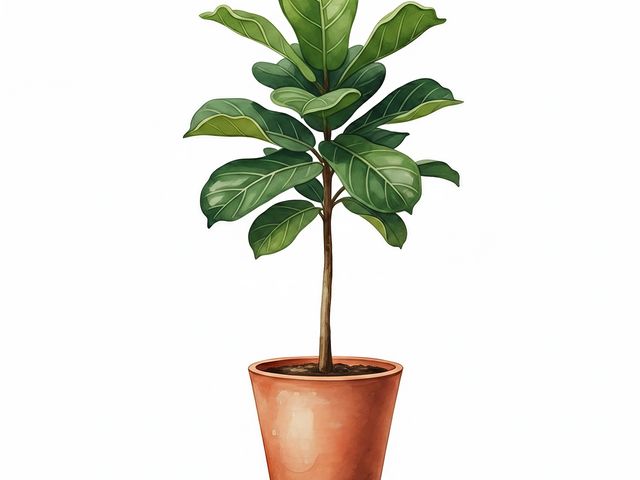
bonsai ficus
Evidence-based care guide for Bonsai Ficus (). Our analysis draws from 2 verified community cases with an average confidence score of 63%. Each protocol is synthesized from real rescue outcomes, not generic advice.
Care Essentials
Get to Know Your Bonsai Ficus
Light is everything for this plant. Get the placement right and everything else falls into place.
Light
medium to bright indirect
Most comfortable in medium to bright indirect light. Avoid prolonged direct sun exposure.
💡 Grow lights: Thrives under artificial grow lights (LED or fluorescent, 10-12 hours/day). A great option if your space lacks natural light.
Watering
every 7-10 days
Water when the top 1-2 inches of soil feel dry. Adjust with the seasons — less in winter, more in summer.
Humidity & Temperature
Appreciates some humidity but adapts to average home conditions. Brown tips in winter? Your air might be too dry — a light misting helps.
Standard room temperature (60-80°F / 15-27°C) is perfect. Avoid cold drafts and sudden temperature swings.
Soil
Standard well-draining potting mix works well. Add perlite for extra drainage if you tend to overwater.
Care Requirements
At a Glance
Care Profile in Development
While our detailed care profile is being compiled, you can find specific care guidance in the 0 care-related diagnoses below — including watering schedules, light requirements, and propagation methods from real-world cases.
Start Here
Most Common Problems
Based on 2 analyzed cases — these are the issues you're most likely to encounter
Don't see your symptom? Search all 2 topics below, or run the Diagnostic.
Which of the 7 Killers
is threatening your plants?
We analyzed 1,616 documented plant deaths to identify the 7 causes behind 78% of all losses. Answer 5 questions — we'll tell you exactly which ones apply to your setup.
Skip the quiz — get The 7 Killers course ($19) →Question 1 of 5
How do you decide when to water your plants?
Question 2 of 5
Where do most of your plants live?
Question 3 of 5
What's your home environment like?
Question 4 of 5
Have you lost a plant in the last 6 months?
Question 5 of 5
How often do you check your plants for pests?
Your diagnosis is ready
We've identified your top 2 risk killers. Enter your email to see the full breakdown and your personalized rescue protocol.
Your plants are most at risk from:

The 7 Killers mini-course covers every one of these in depth — mechanism, rescue protocol, prevention. 1,616 cases. 7 lessons. $19.
Get The 7 Killers — $19 →Get the Plant Mortality Checklist
The 7 killers behind 78% of houseplant deaths — and the exact fix for each. Free PDF based on 1,616 documented cases.
Your checklist is ready!
We also sent it to your inbox. Check your email for the full download.
Open the ChecklistFree. No spam. Unsubscribe anytime.
Verified Data
All Diagnoses
2 topics consolidated from 2 documented cases. Expand any topic to see all protocols.
Maintenance (1 topics · 1 cases)
How do I prune my Bonsai Ficus?
Indoor Ficus bonsai (F
65%
How do I prune my Bonsai Ficus?
Indoor Ficus bonsai (F
Cause
Indoor Ficus bonsai (F. microcarpa, F. benjamina, F. retusa) exhibit branch dieback when interior canopy density exceeds light penetration capacity. Dense foliage creates shaded interior zones where branches compete for photosynthetically active radiation (PAR < 50 μmol/m²/s), triggering resource reallocation and eventual abscission of weak interior shoots. This is exacerbated in indoor conditions with directional light sources.
Solutions
- Remove 20-30% of interior 'sucker' branches using sterile concave cutters at branch collar
- Thin crossing branches to improve airflow and reduce fungal risk
- Cut back leggy growth to 2-3 leaf pairs to stimulate back-budding on woody framework
- Apply balanced liquid fertilizer at 1/4 strength only after new growth emergence post-pruning
- Expect 3-4 week recovery period; new buds emerge from dormant axillary meristems on pruned branches
Prevention
Maintain open canopy structure through quarterly thinning; position bonsai within 3 feet of bright east or west windows; rotate 90° weekly to distribute light exposure; supplement with 4000-6500K LED grow lights at 12-inch distance when ambient PAR falls below 100 μmol/m²/s.
Other Topics (1 topics · 1 cases)
Why is my Bonsai Ficus dropping leaves?
Ficus bonsai stress manifests as dramatic leaf drop when environmental parameters shift beyond tolerance thresholds
60%
Why is my Bonsai Ficus dropping leaves?
Ficus bonsai stress manifests as dramatic leaf drop when environmental parameters shift beyond tolerance thresholds
Cause
Ficus bonsai stress manifests as dramatic leaf drop when environmental parameters shift beyond tolerance thresholds. Unlike deciduous trees with programmed seasonal abscission, Ficus species (especially F. benjamina and F. microcarpa) employ opportunistic leaf shedding as energy conservation during stress events including repotting, relocation, humidity changes, or inconsistent watering. The plant redirects resources from leaf maintenance to root and cambial repair.
Solutions
- Cease fertilization for 4-6 weeks post-stress event to prevent root burn
- Maintain consistent moisture without overwatering; check top 2 inches with finger or wooden skewer before watering
- Increase ambient humidity via pebble trays or humidifiers to reduce transpiration stress
- Provide supplemental LED grow lighting (4000-6500K) to support reduced photosynthetic capacity
- Expect rebound via epicormic bud break within 3-6 weeks; resist pruning during recovery phase
Prevention
Stabilize all environmental variables: maintain consistent light (2000-5000 lux), humidity (50-60% RH), and temperature (65-75°F); avoid repotting during active growth phases; water based on soil moisture (top 1-2 inches dry) rather than calendar schedules; acclimate gradually over 7-14 days when any parameter must change.
Common Questions
Frequently Asked Questions
Why does my bonsai ficus have Pruning maintenance?
Cause: Indoor Ficus bonsai (F. microcarpa, F. benjamina, F. retusa) exhibit branch dieback when interior canopy density exceeds light penetration capacity. Dense foliage creates shaded interior zones where branches compete for photosynthetically active radiation (PAR < 50 μmol/m²/s), triggering resource reallocation and eventual abscission of weak interior shoots. This is exacerbated in indoor conditions with directional light sources.
Solution: Remove 20-30% of interior 'sucker' branches using sterile concave cutters at branch collar
Prevention: Maintain open canopy structure through quarterly thinning; position bonsai within 3 feet of bright east or west windows; rotate 90° weekly to distribute light exposure; supplement with 4000-6500K LED grow lights at 12-inch distance when ambient PAR falls below 100 μmol/m²/s.
65% confidence · View full protocol →
Why does my bonsai ficus have Leaf drop maintenance?
Cause: Ficus bonsai stress manifests as dramatic leaf drop when environmental parameters shift beyond tolerance thresholds. Unlike deciduous trees with programmed seasonal abscission, Ficus species (especially F. benjamina and F. microcarpa) employ opportunistic leaf shedding as energy conservation during stress events including repotting, relocation, humidity changes, or inconsistent watering. The plant redirects resources from leaf maintenance to root and cambial repair.
Solution: Cease fertilization for 4-6 weeks post-stress event to prevent root burn
Prevention: Stabilize all environmental variables: maintain consistent light (2000-5000 lux), humidity (50-60% RH), and temperature (65-75°F); avoid repotting during active growth phases; water based on soil moisture (top 1-2 inches dry) rather than calendar schedules; acclimate gradually over 7-14 days when any parameter must change.
60% confidence · View full protocol →
Common Questions
Frequently Asked About Bonsai Ficus
What problems can Bonsai Ficus get?
Our database contains 2 documented Bonsai Ficus cases covering 2 distinct topics, including diseases, pest identification, environmental stress, propagation, and advanced care protocols — each with verified solutions.
Structured Learning
Ready to Go Deeper?
Explore our Mastery Packs for structured, video-based learning with step-by-step protocols from 20,000+ analyzed plant cases.
Browse All Courses →