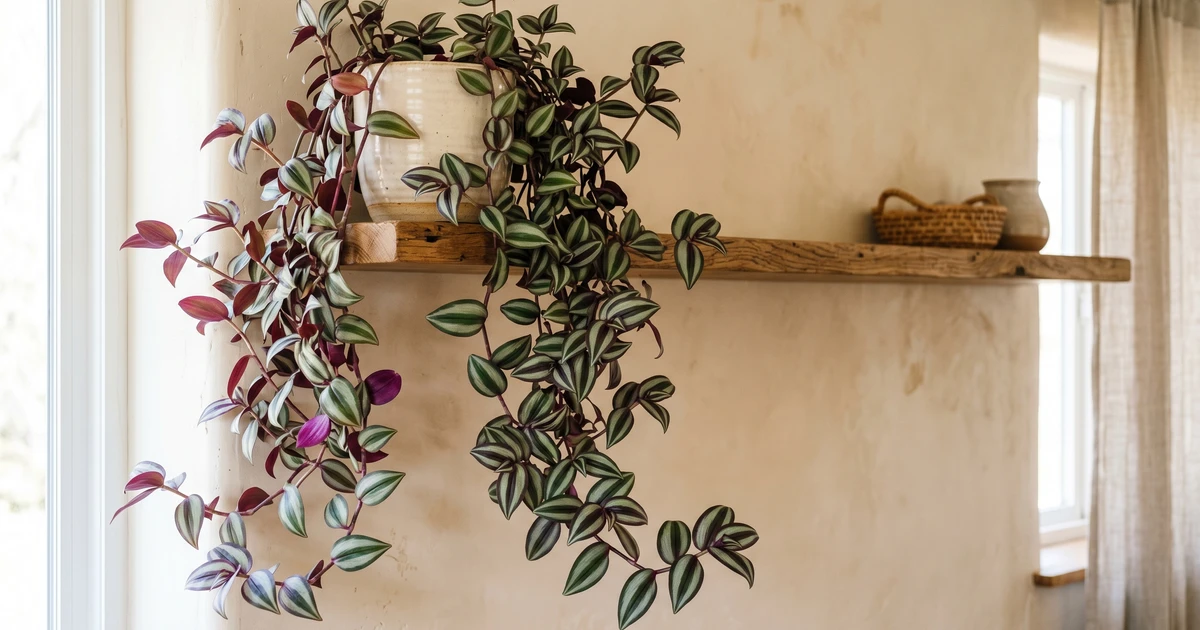

cacti and succulents
Evidence-based care guide for Cacti And Succulents (). Covers disease treatment, watering and lighting. Our analysis draws from 5 verified community cases with an average confidence score of 83%. Each protocol is synthesized from real rescue outcomes, not generic advice.
Care Essentials
Get to Know Your Cacti And Succulents
The #1 killer? Overwatering. Let the soil dry between waterings and your Cacti And Succulents will thrive.
Light
bright indirect
Does best in bright, indirect light. A spot near a window with filtered light is ideal.
💡 Grow lights: Thrives under artificial grow lights (LED or fluorescent, 10-12 hours/day). A great option if your space lacks natural light.
Watering
every 10-14 days
Let the soil dry out significantly between waterings — this plant is very sensitive to overwatering. When in doubt, wait another day.
Humidity & Temperature
Not fussy about humidity. Handles average indoor conditions without issue.
Prefers moderate temperatures (60-80°F). Keep away from radiators and intense afternoon sun windows.
Soil
Standard well-draining potting mix works well. Add perlite for extra drainage if you tend to overwater.
Care Requirements
At a Glance
Care Profile in Development
While our detailed care profile is being compiled, you can find specific care guidance in the 2 care-related diagnoses below — including watering schedules, light requirements, and propagation methods from real-world cases.
Start Here
Most Common Problems
Based on 5 analyzed cases — these are the issues you're most likely to encounter
Don't see your symptom? Search all 5 topics below, or run the Diagnostic.
How often should I water my Cacti And Succulents?
Cacti and succulents store fluid in swollen organs (stems, leaves, pads)...
Cacti And Succulents: Temperature Stress
Cacti and succulents tolerate temperatures as low as 4°C (40°F) but prefer...
What disease does my Cacti And Succulents have?
Fungal rot (Fusarium, Phytophthora spp.) attacks cacti when plants are stressed...
How much light does my Cacti And Succulents need?
Kalanchoe and some succulents require more darkness than daylight hours to...
What pests are on my Cacti And Succulents?
Root mealy bugs (Pseudococcidae) feed on roots hidden in soil, reducing plant...
Which of the 7 Killers
is threatening your plants?
We use Plant Grail problem records — root rot, mites, light, humidity — to rank which failures show up most. Answer 5 questions and we'll tell you which ones match your setup.
Skip the quiz — get The 7 Killers course ($19) →Question 1 of 5
How do you decide when to water your plants?
Question 2 of 5
Where do most of your plants live?
Question 3 of 5
What's your home environment like?
Question 4 of 5
Have you lost a plant in the last 6 months?
Question 5 of 5
How often do you check your plants for pests?
Your diagnosis is ready
We've identified your top 2 risk killers. Enter your email to see the full breakdown and your personalized rescue protocol.
Your plants are most at risk from:

The 7 Killers mini-course covers mechanism, rescue protocol, and prevention for the failure classes that show up most in Grail. 7 lessons. $19.
Get The 7 Killers — $19 →Get the Plant Mortality Checklist
Root rot is the largest named failure class in Plant Grail. Free PDF of the failure map and what to check first.
Your checklist is ready!
We also sent it to your inbox. Check your email for the full download.
Open the ChecklistFree. No spam. Unsubscribe anytime.
Verified Data
All Diagnoses
5 topics consolidated from 5 documented cases. Expand any topic to see all protocols.
Diseases (1 topics · 1 cases)
What disease does my Cacti And Succulents have?
Fungal rot (Fusarium, Phytophthora spp
85%
What disease does my Cacti And Succulents have?
Fungal rot (Fusarium, Phytophthora spp
Cause
Fungal rot (Fusarium, Phytophthora spp.) attacks cacti when plants are stressed from overwatering, root damage during dormancy re-potting, or trauma; tissue turns mushy and decays rapidly.
Solutions
- 1. Never re-pot during dormancy (October-March) — root damage combined with slow metabolism invites fungal invasion
- 2. Cut away decaying roots, drench remaining root mass with Benlate+ActiveX fungicide
- 3. Pot in 50/50 sand/cactus compost or pure sand, keep at 20°C minimum until healthy new roots establish
- 4. Allow cut surfaces to callous 1-2 weeks before re-potting; apply Keriroot hormone rooting powder to prevent secondary rot
Prevention
Never re-pot October-March dormant period; avoid overwatering; allow soil to dry between waterings; use free-draining soil.
Watering Issues (1 topics · 1 cases)
How often should I water my Cacti And Succulents?
Cacti and succulents store fluid in swollen organs (stems, leaves, pads) enabling survival during 7
85%
How often should I water my Cacti And Succulents?
Cacti and succulents store fluid in swollen organs (stems, leaves, pads) enabling survival during 7
Cause
Cacti and succulents store fluid in swollen organs (stems, leaves, pads) enabling survival during 7.5cm annual rainfall periods and air temperatures up to 50°C, with soil temperatures reaching 60°C from solar radiation absorption.
Solutions
- 1. Water freely March/April through September during active growth, allowing soil to almost dry between waterings
- 2. Reduce water to bare minimum October through March during dormancy
- 3. Use tepid water (not cold tap water) directed at compost, not plant tissue
- 4. Water with rain water if chalk deposits are visible on plant tissue
Prevention
Allow soil to almost dry completely between waterings; keep nearly no water Oct-March dormant period; use free-draining soil to prevent root oxygen deprivation.
Other Topics (3 topics · 3 cases)
How much light does my Cacti And Succulents need?
Kalanchoe and some succulents require more darkness than daylight hours to initiate flowering; early spring sunlight scorches tissue-weakened winter plants through glass magnification
80%
How much light does my Cacti And Succulents need?
Kalanchoe and some succulents require more darkness than daylight hours to initiate flowering; early spring sunlight scorches tissue-weakened winter plants through glass magnification
Cause
Kalanchoe and some succulents require more darkness than daylight hours to initiate flowering; early spring sunlight scorches tissue-weakened winter plants through glass magnification.
Solutions
- 1. Acclimate plants to spring sunlight gradually to prevent scorch
- 2. Move epiphytes (hoya, epiphyllum) further from window glass into diffused light
- 3. Provide south-facing window-sill for light-hungry varieties; accept etiolation on less-illuminated plants
- 4. For kalanchoe flowering, ensure 12+ hours darkness per night to trigger bloom
Prevention
Acclimate plants gradually to increased light in spring; move light-sensitive species (hoya, epiphyllum) away from direct sun.
What pests are on my Cacti And Succulents?
Root mealy bugs (Pseudococcidae) feed on roots hidden in soil, reducing plant vigor and making specimens susceptible to soil-borne fungal diseases; root systems decay silently before symptoms appear
80%
What pests are on my Cacti And Succulents?
Root mealy bugs (Pseudococcidae) feed on roots hidden in soil, reducing plant vigor and making specimens susceptible to soil-borne fungal diseases; root systems decay silently before symptoms appear
Cause
Root mealy bugs (Pseudococcidae) feed on roots hidden in soil, reducing plant vigor and making specimens susceptible to soil-borne fungal diseases; root systems decay silently before symptoms appear.
Solutions
- 1. Remove plant from pot and inspect roots for white cotton-wool-like patches every 1-2 months
- 2. Isolate affected plants from collection to prevent spread
- 3. Apply Sybol spray or drench every 7-14 days for 4-6 weeks during growing season
- 4. For severe cases, trim decayed roots, drench with Benlate+ActiveX, repot in 50/50 sand/cactus compost at 20°C until new roots form
Prevention
Inspect roots at 1-2 month intervals; isolate affected plants immediately; treat with Sybol solution.
Cacti And Succulents: Temperature Stress
Cacti and succulents tolerate temperatures as low as 4°C (40°F) but prefer minimum 7°C (45°F); winter condensation dripping on plants causes tissue damage and fungal infection
85%
Cacti And Succulents: Temperature Stress
Cacti and succulents tolerate temperatures as low as 4°C (40°F) but prefer minimum 7°C (45°F); winter condensation dripping on plants causes tissue damage and fungal infection
Cause
Cacti and succulents tolerate temperatures as low as 4°C (40°F) but prefer minimum 7°C (45°F); winter condensation dripping on plants causes tissue damage and fungal infection.
Solutions
- 1. Maintain winter temperatures around 10°C (50°F) with minimal watering
- 2. Ensure greenhouse ventilation prevents condensation drips from roof or shelving
- 3. Remove plants from positions where water drips regularly
- 4. Avoid placing plants directly under shelving or hanging baskets with higher water-needs
Prevention
Keep greenhouse plants dry-sided in winter to avoid condensation drips; maintain 10°C (50°F) minimum in winter dormancy.
Common Questions
Frequently Asked Questions
Why does my cacti and succulents have Watering?
Cause: Cacti and succulents store fluid in swollen organs (stems, leaves, pads) enabling survival during 7.5cm annual rainfall periods and air temperatures up to 50°C, with soil temperatures reaching 60°C from solar radiation absorption.
Solution: 1. Water freely March/April through September during active growth, allowing soil to almost dry between waterings
Prevention: Allow soil to almost dry completely between waterings; keep nearly no water Oct-March dormant period; use free-draining soil to prevent root oxygen deprivation.
85% confidence · View full protocol →
Why does my cacti and succulents have Temperature stress?
Cause: Cacti and succulents tolerate temperatures as low as 4°C (40°F) but prefer minimum 7°C (45°F); winter condensation dripping on plants causes tissue damage and fungal infection.
Solution: 1. Maintain winter temperatures around 10°C (50°F) with minimal watering
Prevention: Keep greenhouse plants dry-sided in winter to avoid condensation drips; maintain 10°C (50°F) minimum in winter dormancy.
85% confidence · View full protocol →
Why does my cacti and succulents have Fungal rot?
Cause: Fungal rot (Fusarium, Phytophthora spp.) attacks cacti when plants are stressed from overwatering, root damage during dormancy re-potting, or trauma; tissue turns mushy and decays rapidly.
Solution: 1. Never re-pot during dormancy (October-March) — root damage combined with slow metabolism invites fungal invasion
Prevention: Never re-pot October-March dormant period; avoid overwatering; allow soil to dry between waterings; use free-draining soil.
85% confidence · View full protocol →
Why does my cacti and succulents have Light requirements?
Cause: Kalanchoe and some succulents require more darkness than daylight hours to initiate flowering; early spring sunlight scorches tissue-weakened winter plants through glass magnification.
Solution: 1. Acclimate plants to spring sunlight gradually to prevent scorch
Prevention: Acclimate plants gradually to increased light in spring; move light-sensitive species (hoya, epiphyllum) away from direct sun.
80% confidence · View full protocol →
Why does my cacti and succulents have Root mealy bugs?
Cause: Root mealy bugs (Pseudococcidae) feed on roots hidden in soil, reducing plant vigor and making specimens susceptible to soil-borne fungal diseases; root systems decay silently before symptoms appear.
Solution: 1. Remove plant from pot and inspect roots for white cotton-wool-like patches every 1-2 months
Prevention: Inspect roots at 1-2 month intervals; isolate affected plants immediately; treat with Sybol solution.
80% confidence · View full protocol →
Common Questions
Frequently Asked About Cacti And Succulents
What problems can Cacti And Succulents get?
Our database contains 5 documented Cacti And Succulents cases covering 5 distinct topics, including diseases, pest identification, environmental stress, propagation, and advanced care protocols — each with verified solutions.
Structured Learning
Ready to Go Deeper?
Explore our Mastery Packs for structured, video-based learning with step-by-step protocols from 20,000+ analyzed plant cases.
Browse All Courses →