
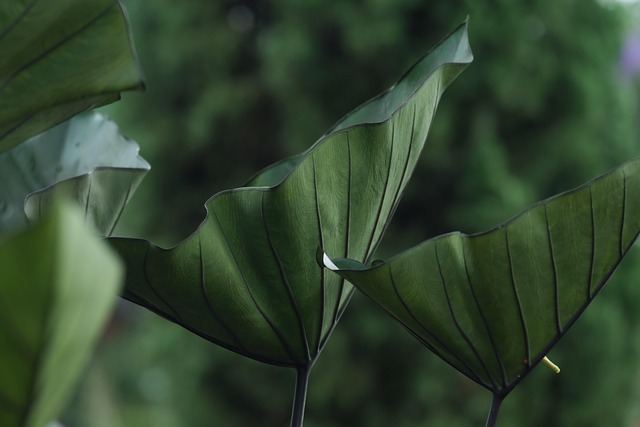
caladium
Evidence-based care guide for Caladium (). Covers symptom diagnosis, disease treatment and pest control. Our analysis draws from 7 verified community cases with an average confidence score of 84%. Each protocol is synthesized from real rescue outcomes, not generic advice.
Care Essentials
Get to Know Your Caladium
Keep an eye out for pests — regular leaf inspections catch problems early.
Light
bright indirect
Prefers bright, indirect light. Keep out of harsh direct afternoon sun — it can scorch the leaves.
💡 Grow lights: Thrives under artificial grow lights (LED or fluorescent, 10-12 hours/day). A great option if your space lacks natural light.
Watering
every 10-14 days
Let the soil dry out significantly between waterings — this plant is very sensitive to overwatering. When in doubt, wait another day.
Humidity & Temperature
Appreciates some humidity but adapts to average home conditions. Brown tips in winter? Your air might be too dry — a light misting helps.
Standard room temperature (60-80°F / 15-27°C) is perfect. Avoid cold drafts and sudden temperature swings.
Soil
Standard well-draining potting mix works well. Add perlite for extra drainage if you tend to overwater.
Care Requirements
At a Glance
Care Profile in Development
While our detailed care profile is being compiled, you can find specific care guidance in the 0 care-related diagnoses below — including watering schedules, light requirements, and propagation methods from real-world cases.
Start Here
Most Common Problems
Based on 7 analyzed cases — these are the issues you're most likely to encounter
Don't see your symptom? Search all 6 topics below, or run the Diagnostic.
Why is my Caladium wilting?
Loss of turgor pressure in petioles due to dry air (<50% RH), shallow watering...
Caladium: Seasonal Dormancy
Hormonal signal triggered by decreasing daylength and temperatures (<65�F)....
Caladium: Leaf Spots
Dry brown spots are typically sunburn due to the thin, delicate nature of...
Why are my Caladium leaves turning yellow?
Physiological stress from environmental shifts (store to home) or root...
Why does my Caladium have spider mites?
Spider mites are tiny arachnids that pierce individual caladium leaf cells and...
Which of the 7 Killers
is threatening your plants?
We use Plant Grail problem records — root rot, mites, light, humidity — to rank which failures show up most. Answer 5 questions and we'll tell you which ones match your setup.
Skip the quiz — get The 7 Killers course ($19) →Question 1 of 5
How do you decide when to water your plants?
Question 2 of 5
Where do most of your plants live?
Question 3 of 5
What's your home environment like?
Question 4 of 5
Have you lost a plant in the last 6 months?
Question 5 of 5
How often do you check your plants for pests?
Your diagnosis is ready
We've identified your top 2 risk killers. Enter your email to see the full breakdown and your personalized rescue protocol.
Your plants are most at risk from:

The 7 Killers mini-course covers mechanism, rescue protocol, and prevention for the failure classes that show up most in Grail. 7 lessons. $19.
Get The 7 Killers — $19 →Get the Plant Mortality Checklist
Root rot is the largest named failure class in Plant Grail. Free PDF of the failure map and what to check first.
Your checklist is ready!
We also sent it to your inbox. Check your email for the full download.
Open the ChecklistFree. No spam. Unsubscribe anytime.
Verified Data
All Diagnoses
6 topics from 7 Grail records. Expand any topic to see the protocol.
Symptoms (3 topics · 3 cases)
Why is my Caladium wilting?
Loss of turgor pressure in petioles due to dry air (<50% RH), shallow watering (roots not fully hydrated), or natural seasonal dormancy
87%
Why is my Caladium wilting?
Loss of turgor pressure in petioles due to dry air (<50% RH), shallow watering (roots not fully hydrated), or natural seasonal dormancy
Cause
Loss of turgor pressure in petioles due to dry air (<50% RH), shallow watering (roots not fully hydrated), or natural seasonal dormancy. Drafts from AC/Heat vents accelerate collapse.
Solutions
- Deep Soak: Bottom-water the pot for 30 mins until the weight increases significantly, ensuring the root zone is fully saturated.
- Draft Check: Move the plant away from vents or drafty windows; caladiums are highly sensitive to sudden air temperature changes.
- Nutrient Reabsorption: Do not cut individual drooping leaves until they are fully yellow/brown; the plant reabsorbs nutrients into the tuber for survival.
- Airflow: Use a low-speed oscillating fan nearby to strengthen stems through thigmomorphogenesis (mimicking outdoor breezes).
- Humidity Boost: Maintain 60%+ RH via humidifiers or grouping with other tropicals.
Prevention
Never let caladium soil go bone-dry. Use a hygrometer to track RH. In fall (September/October), expect a total collapse as the plant enters mandatory dormancy; reduce watering and stop fertilizing.
Caladium: Leaf Spots
Dry brown spots are typically sunburn due to the thin, delicate nature of Caladium leaves
87%
Caladium: Leaf Spots
Dry brown spots are typically sunburn due to the thin, delicate nature of Caladium leaves
Cause
Dry brown spots are typically sunburn due to the thin, delicate nature of Caladium leaves. Wet, haloed, or fuzzy spots indicate fungal/bacterial infections like Anthracnose (Colletotrichum caladii). Yellowing is usually a sign of transplant shock or overwatering.
Solutions
- Sunburn Recovery: Move the plant to bright indirect light (East-facing window is best). Trim the burned leaves as they cannot revert.
- Infection Control: If spots have yellow halos or spread rapidly, apply a copper-based fungicide and increase airflow with a fan. Avoid misting leaves in stagnant air.
- Tuber Squeeze Test: Squeeze the base of the plant at the soil line. If firm, the yellowing is shock (wait 2 weeks). If mushy, it is rot.
- Watering: Switch to filtered or rainwater. If using a humidifier, ensure it is cleaned and uses mineral-free water to prevent foliar buildup.
Prevention
Acclimate new Caladiums gradually over 7-10 days. Maintain consistent 60% humidity. Position 2-4 feet away from south-facing windows to avoid midday scorch.
Why are my Caladium leaves turning yellow?
Physiological stress from environmental shifts (store to home) or root disturbance during repotting
84%
Why are my Caladium leaves turning yellow?
Physiological stress from environmental shifts (store to home) or root disturbance during repotting
Cause
Physiological stress from environmental shifts (store to home) or root disturbance during repotting. Caladiums prioritize energy for new growth by sacrificing older or smaller leaves.
Solutions
- Acclimation Period: If you just bought the plant, do not repot for at least 10 days. Allow it to adjust to your home light and humidity first.
- Nutrient Re-absorption: Leave yellowing leaves until they are fully dry; the tuber reabsorbs the nitrogen and energy for the next growth spear.
- Root Stability: Minimize root handling during transplant. Use a pre-moistened airy mix to reduce the duration of post-repot shock.
- Spear Watch: Look for tightly rolled spears emerging from the base. If these appear, the plant has successfully acclimated.
Prevention
Maintain stable temperatures (70-85�F). Avoid moving the pot once a successful spot is found. Consistency in light and moisture is the best prevention for premature leaf yellowing.
Pests (2 topics · 2 cases)
Why does my Caladium have mealybugs?
Caladiums are listed among the foliage houseplants susceptible to soft-bodied sap-sucking pests, and mealybugs in particular settle into the crown where petioles meet the tuber and along the leaf veins, draining sap and leaving sticky white fluff on the broad Caladium bicolor leaves during the warm, humid indoor conditions the plant prefers
80%
Why does my Caladium have mealybugs?
Caladiums are listed among the foliage houseplants susceptible to soft-bodied sap-sucking pests, and mealybugs in particular settle into the crown where petioles meet the tuber and along the leaf veins, draining sap and leaving sticky white fluff on the broad Caladium bicolor leaves during the warm, humid indoor conditions the plant prefers
Cause
Caladiums are listed among the foliage houseplants susceptible to soft-bodied sap-sucking pests, and mealybugs in particular settle into the crown where petioles meet the tuber and along the leaf veins, draining sap and leaving sticky white fluff on the broad Caladium bicolor leaves during the warm, humid indoor conditions the plant prefers.
Solutions
- Wipe mealybug colonies off the caladium's petioles and leaf veins with a cotton swab dipped in 70 percent isopropyl alcohol, taking care to work into the crown where the stems meet the tuber because that is where the pests hide.
- Spray the entire plant, including the undersides of leaves and the petiole bases, with an insecticidal soap at the cool end of the day, and repeat the treatment every 7 to 10 days until no fresh white residue appears on the foliage.
Prevention
Inspect new houseplants carefully before placing them near the caladium because mealybugs travel on tools, hands and pots, and keep the caladium's foliage clean and the surrounding air humid to discourage the dusty, stressed conditions in which mealybug outbreaks spread fastest.
Why does my Caladium have spider mites?
Spider mites are tiny arachnids that pierce individual caladium leaf cells and suck out the contents, leaving behind a fine stippling of tiny yellow dots on the broad, papery leaf surface; they thrive in the warm, dry indoor air that caladiums often experience when humidity drops, and they spread rapidly from plant to plant
80%
Why does my Caladium have spider mites?
Spider mites are tiny arachnids that pierce individual caladium leaf cells and suck out the contents, leaving behind a fine stippling of tiny yellow dots on the broad, papery leaf surface; they thrive in the warm, dry indoor air that caladiums often experience when humidity drops, and they spread rapidly from plant to plant
Cause
Spider mites are tiny arachnids that pierce individual caladium leaf cells and suck out the contents, leaving behind a fine stippling of tiny yellow dots on the broad, papery leaf surface; they thrive in the warm, dry indoor air that caladiums often experience when humidity drops, and they spread rapidly from plant to plant.
Solutions
- Rinse the entire caladium with a strong stream of lukewarm water, focusing on the leaf undersides, to physically dislodge the mites and break up their fine webbing, and repeat the rinse on a regular interval until no new stippling appears.
- Apply an insecticidal soap or horticultural oil spray to the foliage, coating both sides of the leaves, and isolate the infested caladium from other houseplants because spider mites travel on air currents and on tools and hands.
Prevention
Maintain high humidity around the caladium by grouping it with other tropicals or by using a humidity tray, since spider mite outbreaks are most common in warm, dry indoor air; inspect new plants carefully and quarantine them before placing them near the caladium.
Other Topics (1 topics · 1 cases)
Caladium: Seasonal Dormancy
Hormonal signal triggered by decreasing daylength and temperatures (<65�F)
87%
Caladium: Seasonal Dormancy
Hormonal signal triggered by decreasing daylength and temperatures (<65�F)
Cause
Hormonal signal triggered by decreasing daylength and temperatures (<65�F). Caladiums are dry-season deciduous tubers that require a rest period to restore carbohydrate reserves.
Solutions
- Natural Dieback: When foliage starts to yellow in fall, gradually withhold water. Allow leaves to wilt fully so the plant can translocate nutrients back into the tuber.
- Tuber Harvest: Dig up tubers after the foliage is dead. Clean off soil and discard any mushy or rotted sections.
- Curing: Air-dry tubers in a shady, ventilated spot for 7-10 days; this toughens the skin to prevent storage rot.
- Storage: Store in a breathable paper bag with peat moss or vermiculite at 60-75�F. Do not refrigerate.
- Restarting: In spring, replant 2 inches deep. Use a heat mat to maintain 80�F soil temp for faster spear emergence.
Prevention
Don not force growth year-round; tubers that don not rest produce progressively smaller leaves and eventually fail. Align indoor lighting with seasonal shifts (10-12 hours in winter) to trigger a clean dormancy cycle.
Common Questions
Frequently Asked Questions
Why does my caladium have Drooping?
Cause: Loss of turgor pressure in petioles due to dry air (<50% RH), shallow watering (roots not fully hydrated), or natural seasonal dormancy. Drafts from AC/Heat vents accelerate collapse.
Solution: Deep Soak: Bottom-water the pot for 30 mins until the weight increases significantly, ensuring the root zone is fully saturated.
Prevention: Never let caladium soil go bone-dry. Use a hygrometer to track RH. In fall (September/October), expect a total collapse as the plant enters mandatory dormancy; reduce watering and stop fertilizing.
87% confidence · View full protocol →
Why does my caladium have Seasonal dormancy?
Cause: Hormonal signal triggered by decreasing daylength and temperatures (<65�F). Caladiums are dry-season deciduous tubers that require a rest period to restore carbohydrate reserves.
Solution: Natural Dieback: When foliage starts to yellow in fall, gradually withhold water. Allow leaves to wilt fully so the plant can translocate nutrients back into the tuber.
Prevention: Don not force growth year-round; tubers that don not rest produce progressively smaller leaves and eventually fail. Align indoor lighting with seasonal shifts (10-12 hours in winter) to trigger a clean dormancy cycle.
87% confidence · View full protocol →
Why does my caladium have Leaf spots?
Cause: Dry brown spots are typically sunburn due to the thin, delicate nature of Caladium leaves. Wet, haloed, or fuzzy spots indicate fungal/bacterial infections like Anthracnose (Colletotrichum caladii). Yellowing is usually a sign of transplant shock or overwatering.
Solution: Sunburn Recovery: Move the plant to bright indirect light (East-facing window is best). Trim the burned leaves as they cannot revert.
Prevention: Acclimate new Caladiums gradually over 7-10 days. Maintain consistent 60% humidity. Position 2-4 feet away from south-facing windows to avoid midday scorch.
87% confidence · View full protocol →
Why does my caladium have Yellow leaves?
Cause: Physiological stress from environmental shifts (store to home) or root disturbance during repotting. Caladiums prioritize energy for new growth by sacrificing older or smaller leaves.
Solution: Acclimation Period: If you just bought the plant, do not repot for at least 10 days. Allow it to adjust to your home light and humidity first.
Prevention: Maintain stable temperatures (70-85�F). Avoid moving the pot once a successful spot is found. Consistency in light and moisture is the best prevention for premature leaf yellowing.
84% confidence · View full protocol →
Why does my caladium have Spider mites?
Cause: Spider mites are tiny arachnids that pierce individual caladium leaf cells and suck out the contents, leaving behind a fine stippling of tiny yellow dots on the broad, papery leaf surface; they thrive in the warm, dry indoor air that caladiums often experience when humidity drops, and they spread rapidly from plant to plant.
Solution: Rinse the entire caladium with a strong stream of lukewarm water, focusing on the leaf undersides, to physically dislodge the mites and break up their fine webbing, and repeat the rinse on a regular interval until no new stippling appears.
Prevention: Maintain high humidity around the caladium by grouping it with other tropicals or by using a humidity tray, since spider mite outbreaks are most common in warm, dry indoor air; inspect new plants carefully and quarantine them before placing them near the caladium.
80% confidence · View full protocol →
Common Questions
Frequently Asked About Caladium
What problems can Caladium get?
Plant Grail records 7 Caladium problems, including pests, watering stress, and environmental damage, each with a fix.
Structured Learning
Ready to Go Deeper?
Explore our Mastery Packs for structured, video-based learning with step-by-step protocols from 4,272 analyzed plant cases.
Browse All Courses →