
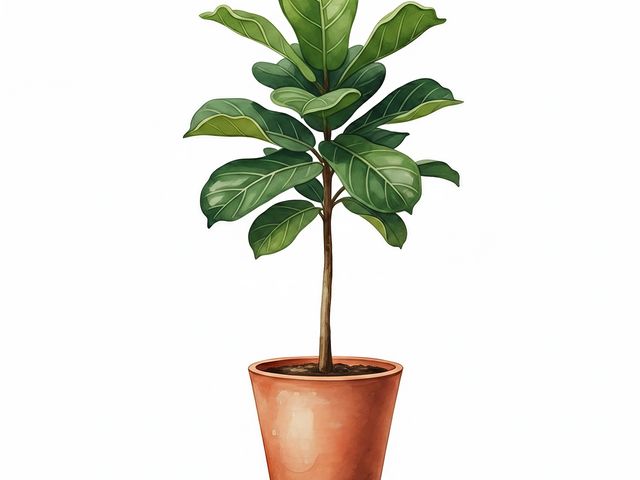
carpenter
Evidence-based care guide for Carpenter (). Our analysis draws from 2 verified community cases with an average confidence score of 72%. Each protocol is synthesized from real rescue outcomes, not generic advice.
Care Essentials
Get to Know Your Carpenter
A resilient houseplant. With basic care, Carpenter is hard to kill.
Light
medium to bright indirect
Most comfortable in medium to bright indirect light. Avoid prolonged direct sun exposure.
💡 Grow lights: Thrives under artificial grow lights (LED or fluorescent, 10-12 hours/day). A great option if your space lacks natural light.
Watering
every 7-10 days
Water when the top 1-2 inches of soil feel dry. Adjust with the seasons — less in winter, more in summer.
Humidity & Temperature
Not fussy about humidity. Handles average indoor conditions without issue.
Standard room temperature (60-80°F / 15-27°C) is perfect. Avoid cold drafts and sudden temperature swings.
Soil
Standard well-draining potting mix works well. Add perlite for extra drainage if you tend to overwater.
Care Requirements
At a Glance
Care Profile in Development
While our detailed care profile is being compiled, you can find specific care guidance in the 0 care-related diagnoses below — including watering schedules, light requirements, and propagation methods from real-world cases.
Start Here
Most Common Problems
Based on 2 analyzed cases — these are the issues you're most likely to encounter
Don't see your symptom? Search all 2 topics below, or run the Diagnostic.
Which of the 7 Killers
is threatening your plants?
We use Plant Grail problem records — root rot, mites, light, humidity — to rank which failures show up most. Answer 5 questions and we'll tell you which ones match your setup.
Skip the quiz — get The 7 Killers course ($19) →Question 1 of 5
How do you decide when to water your plants?
Question 2 of 5
Where do most of your plants live?
Question 3 of 5
What's your home environment like?
Question 4 of 5
Have you lost a plant in the last 6 months?
Question 5 of 5
How often do you check your plants for pests?
Your diagnosis is ready
We've identified your top 2 risk killers. Enter your email to see the full breakdown and your personalized rescue protocol.
Your plants are most at risk from:

The 7 Killers mini-course covers mechanism, rescue protocol, and prevention for the failure classes that show up most in Grail. 7 lessons. $19.
Get The 7 Killers — $19 →Get the Plant Mortality Checklist
Root rot is the largest named failure class in Plant Grail. Free PDF of the failure map and what to check first.
Your checklist is ready!
We also sent it to your inbox. Check your email for the full download.
Open the ChecklistFree. No spam. Unsubscribe anytime.
Verified Data
All Diagnoses
2 topics consolidated from 2 documented cases. Expand any topic to see all protocols.
Other Topics (2 topics · 2 cases)
Carpenter: Change Orders
Client change orders that affect material quantities — such as moving a wall, enlarging an opening, or adding built-ins — cause material waste when the originally-ordered materials no longer fit the revised scope
71%
Carpenter: Change Orders
Client change orders that affect material quantities — such as moving a wall, enlarging an opening, or adding built-ins — cause material waste when the originally-ordered materials no longer fit the revised scope
Cause
Client change orders that affect material quantities — such as moving a wall, enlarging an opening, or adding built-ins — cause material waste when the originally-ordered materials no longer fit the revised scope. The carpenter eats the cost of unused materials because changing orders mid-job rarely includes material recovery line items.
Solutions
- Quote change orders with material line items — even if materials are already on site, assign a cost
- Document original material order quantities and costs in writing before starting
- For any change order affecting framed elements, recalculate remaining material needs vs what's on site
- Track which materials from original order become surplus — present this list to client as credit
- Use material cost as a line in every change order, not just labor — this makes scope impacts visible
Prevention
Include a material recovery clause in every change order: 'Materials already procured for original scope will be invoiced at cost plus 15% restocking fee if not reusable in revised scope.'
Carpenter: Material Waste
Material over-ordering on framing lumber occurs when carpenters estimate linear footage without accounting for jobsite cut diagrams, offcut reuse potential, or framing waste factors (typically 10-15% for wall sections with openings)
72%
Carpenter: Material Waste
Material over-ordering on framing lumber occurs when carpenters estimate linear footage without accounting for jobsite cut diagrams, offcut reuse potential, or framing waste factors (typically 10-15% for wall sections with openings)
Cause
Material over-ordering on framing lumber occurs when carpenters estimate linear footage without accounting for jobsite cut diagrams, offcut reuse potential, or framing waste factors (typically 10-15% for wall sections with openings). The result is $300-800 in lumber that sits on site for weeks before being discarded or hauled away.
Solutions
- Pull framing plans and create a panel-by-panel cut list before visiting the lumber yard
- Mark dimensional lumber that must be cut first (door openings, window rough openings)
- Calculate total lineal footage + 12% waste factor for wall sections with multiple openings
- Identify jobsite offcuts ≥ 3ft that can be used as headers, jacks, or cripples before ordering new stock
- Order materials in two phases: structural framing first, then detail stock after framing is complete
Prevention
Create a cut list from framing plans before ordering; mark cant-be-cut first boards; calculate total lineal footage plus 12% waste factor for walls with doors/windows.
Common Questions
Frequently Asked Questions
Why does my carpenter have Material-waste?
Cause: Material over-ordering on framing lumber occurs when carpenters estimate linear footage without accounting for jobsite cut diagrams, offcut reuse potential, or framing waste factors (typically 10-15% for wall sections with openings). The result is $300-800 in lumber that sits on site for weeks before being discarded or hauled away.
Solution: Pull framing plans and create a panel-by-panel cut list before visiting the lumber yard
Prevention: Create a cut list from framing plans before ordering; mark cant-be-cut first boards; calculate total lineal footage plus 12% waste factor for walls with doors/windows.
72% confidence · View full protocol →
Why does my carpenter have Change-orders?
Cause: Client change orders that affect material quantities — such as moving a wall, enlarging an opening, or adding built-ins — cause material waste when the originally-ordered materials no longer fit the revised scope. The carpenter eats the cost of unused materials because changing orders mid-job rarely includes material recovery line items.
Solution: Quote change orders with material line items — even if materials are already on site, assign a cost
Prevention: Include a material recovery clause in every change order: 'Materials already procured for original scope will be invoiced at cost plus 15% restocking fee if not reusable in revised scope.'
71% confidence · View full protocol →
Common Questions
Frequently Asked About Carpenter
What problems can Carpenter get?
Our database contains 2 documented Carpenter cases covering 2 distinct topics, including diseases, pest identification, environmental stress, propagation, and advanced care protocols — each with verified solutions.
Structured Learning
Ready to Go Deeper?
Explore our Mastery Packs for structured, video-based learning with step-by-step protocols from 20,000+ analyzed plant cases.
Browse All Courses →