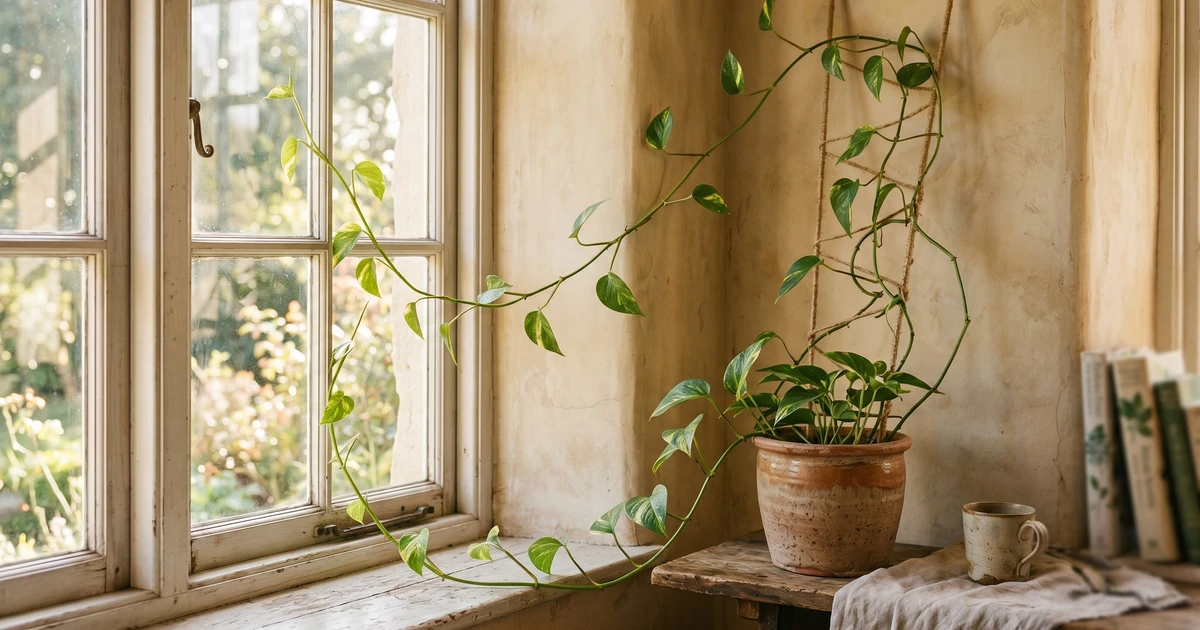
crassula ovata
Also known as: Jade Plant, Money Tree, Lucky Plant
Evidence-based care guide for Crassula Ovata (). Covers propagation methods, lighting and watering. Our analysis draws from 5 verified community cases with an average confidence score of 84%. Each protocol is synthesized from real rescue outcomes, not generic advice.
Care Essentials
Get to Know Your Crassula Ovata
The #1 killer? Overwatering. Let the soil dry between waterings and your Crassula Ovata will thrive.
Light
bright indirect
Wants bright, indirect light — sensitive to both extremes. Too much direct sun causes burns, too little causes stretching.
💡 Grow lights: Thrives under artificial grow lights (LED or fluorescent, 10-12 hours/day). A great option if your space lacks natural light.
Watering
every 7-10 days
Water when the top 1-2 inches of soil feel dry. Adjust with the seasons — less in winter, more in summer.
Humidity & Temperature
Not fussy about humidity. Handles average indoor conditions without issue.
Standard room temperature (60-80°F / 15-27°C) is perfect. Avoid cold drafts and sudden temperature swings.
Soil
Needs well-draining soil — add perlite or orchid bark to a standard potting mix. Good drainage is critical to prevent root rot.
Care Requirements
At a Glance
Care Profile in Development
While our detailed care profile is being compiled, you can find specific care guidance in the 3 care-related diagnoses below — including watering schedules, light requirements, and propagation methods from real-world cases.
Start Here
Most Common Problems
Based on 5 analyzed cases — these are the issues you're most likely to encounter
Don't see your symptom? Search all 5 topics below, or run the Diagnostic.
Is my Crassula Ovata overwatered?
Jade plants store water in thick, fleshy leaves and stems as CAM succulents,...
How much light does my Crassula Ovata need?
Jade plants (Crassula ovata) require 4-6 hours of bright indirect to direct...
Is my Crassula Ovata underwatered?
Jade plants store water in thick, fleshy leaves. When soil remains dry for...
How do I propagate my Crassula Ovata?
Jade plants propagate easily from both leaf and stem cuttings due to their...
How do I prune my Crassula Ovata?
Jade plants naturally grow upright and can become top-heavy or leggy over time,...
Which of the 7 Killers
is threatening your plants?
We use Plant Grail problem records — root rot, mites, light, humidity — to rank which failures show up most. Answer 5 questions and we'll tell you which ones match your setup.
Skip the quiz — get The 7 Killers course ($19) →Question 1 of 5
How do you decide when to water your plants?
Question 2 of 5
Where do most of your plants live?
Question 3 of 5
What's your home environment like?
Question 4 of 5
Have you lost a plant in the last 6 months?
Question 5 of 5
How often do you check your plants for pests?
Your diagnosis is ready
We've identified your top 2 risk killers. Enter your email to see the full breakdown and your personalized rescue protocol.
Your plants are most at risk from:

The 7 Killers mini-course covers mechanism, rescue protocol, and prevention for the failure classes that show up most in Grail. 7 lessons. $19.
Get The 7 Killers — $19 →Get the Plant Mortality Checklist
Root rot is the largest named failure class in Plant Grail. Free PDF of the failure map and what to check first.
Your checklist is ready!
We also sent it to your inbox. Check your email for the full download.
Open the ChecklistFree. No spam. Unsubscribe anytime.
Verified Data
All Diagnoses
5 topics from 5 Grail records. Expand any topic to see the protocol.
Watering Issues (2 topics · 2 cases)
Is my Crassula Ovata overwatered?
Jade plants store water in thick, fleshy leaves and stems as CAM succulents, making them highly susceptible to root rot when soil remains moist
92%
Is my Crassula Ovata overwatered?
Jade plants store water in thick, fleshy leaves and stems as CAM succulents, making them highly susceptible to root rot when soil remains moist
Cause
Jade plants store water in thick, fleshy leaves and stems as CAM succulents, making them highly susceptible to root rot when soil remains moist. Anaerobic conditions develop when soil stays wet for extended periods, promoting fungal and bacterial pathogens (Erwinia spp.) that attack roots. Symptoms include yellowing lower leaves, soft/mushy stems (especially at base), and translucent, deflated leaves as root function fails. Soil degradation over 1-2 years causes organic components to break down into moisture-retentive mush, exacerbating the problem.
Solutions
- Stop watering immediately; allow soil to dry completely (2-3 weeks)
- Unpot plant and inspect roots: healthy roots are white/firm, rot is black/mushy/foul-smelling
- Trim all rotted roots with sterilized shears; treat cut surfaces with hydrogen peroxide (1:4 dilution) or cinnamon
- Air-dry roots 24-48 hours before repotting to allow callusing
- Repot in fresh, gritty mix: 50% cactus soil + 50% perlite/pumice, or use pre-made succulent mix like Bonsai Jack
- Use terracotta pot with drainage holes to improve moisture wicking
- Withhold water 1-2 weeks after repotting, then resume 'soak-and-dry' cycle
- Water only when top 2-3 inches of soil are bone-dry (finger test or moisture meter)
- If stem rot has advanced: propagate healthy stem/leaf cuttings as backup
Prevention
Adopt 'soak-and-dry' watering: water deeply until drainage, then wait for complete soil dry-out (2-4 weeks indoors, longer in winter). Use fast-draining inorganic soil. Repot every 1-2 years before organic matter degrades. Ensure pots have unobstructed drainage holes - avoid rocks at bottom which trap water. Water less frequently in winter when CAM metabolism slows.
Is my Crassula Ovata underwatered?
Jade plants store water in thick, fleshy leaves
85%
Is my Crassula Ovata underwatered?
Jade plants store water in thick, fleshy leaves
Cause
Jade plants store water in thick, fleshy leaves. When soil remains dry for extended periods (4+ weeks in growing season, longer in winter dormancy), the plant draws on leaf reserves causing cells to lose turgor. Unlike overwatering (squishy/mushy leaves), underwatered leaves feel dry, papery, and wrinkle or curl inward. Hydrophobic soil can also prevent water absorption even when watered.
Solutions
- Check soil moisture: bone dry = underwatering, wet = overwatering
- Water thoroughly until water drains from bottom holes
- For severely dehydrated: bottom-water by placing pot in water 20-30 minutes until soil fully absorbs
- Leaves should plump up within 24-48 hours after proper watering
- If soil repels water (hydrophobic): break up soil surface or repot in fresh mix
- Remove completely dried, crispy leaves at base
- Resume normal 'soak-and-dry' schedule based on season
Prevention
Check soil moisture every 2-3 weeks using finger test (2-3 inches deep). Water when soil is completely dry. Increase check frequency in hot, dry conditions. Bottom-water occasionally to ensure full soil saturation.
Propagation (1 topics · 1 cases)
How do I propagate my Crassula Ovata?
Jade plants propagate easily from both leaf and stem cuttings due to their succulent nature and ability to store nutrients
75%
How do I propagate my Crassula Ovata?
Jade plants propagate easily from both leaf and stem cuttings due to their succulent nature and ability to store nutrients
Cause
Jade plants propagate easily from both leaf and stem cuttings due to their succulent nature and ability to store nutrients. As a CAM plant, Crassula ovata can survive extended periods without roots while callusing, making propagation forgiving for beginners. Cuttings fail primarily from insufficient drying time (causing rot), poor drainage, or excessive moisture during rooting phase.
Solutions
- Take 3-4 inch stem cuttings with clean, sterilized knife or scissors
- Remove lower leaves to expose 1-2 inches of stem
- Allow cuttings to callus (dry) 2-7 days in bright, indirect light - cut surface must form dry seal
- Prepare well-draining mix: 50% succulent soil + 50% perlite or coarse sand
- Plant callused cutting 1 inch deep in dry soil
- Wait 1-2 weeks before first light watering to allow root initiation
- Water sparingly until roots establish - soil should dry completely between waterings
- Root formation takes 2-4 weeks; new growth indicates successful establishment
- For leaf propagation: gently twist off healthy leaf, lay on dry soil surface, wait for roots and new plantlet
Prevention
Always allow cuttings to callus completely before planting to prevent stem rot. Use bright indirect light during rooting - not direct sun which can desiccate unrooted cuttings. Avoid overwatering; succulents root better in slightly dry conditions than wet soil.
Maintenance (1 topics · 1 cases)
How do I prune my Crassula Ovata?
Jade plants naturally grow upright and can become top-heavy or leggy over time, especially if previously grown in low light
75%
How do I prune my Crassula Ovata?
Jade plants naturally grow upright and can become top-heavy or leggy over time, especially if previously grown in low light
Cause
Jade plants naturally grow upright and can become top-heavy or leggy over time, especially if previously grown in low light. As a slow-growing CAM succulent, pruning redirects stored energy from existing stems to dormant leaf axils, stimulating new branching. Unpruned plants may become etiolated with sparse foliage concentrated at stem tips.
Solutions
- Prune in spring or early summer during active growth period
- Use sharp, sterilized pruning shears cleaned with alcohol
- Cut 1/4 inch above leaf node (where leaf meets stem) at 45° angle
- Remove leggy or etiolated stems back to desired height
- Pinch back growing tips to encourage bushier, compact growth
- Remove any dead, damaged, or diseased stems at base
- For major shaping: never remove more than 1/3 of plant at once
- Save healthy pruned stems for propagation
Prevention
Maintain adequate light to prevent leggy growth requiring corrective pruning. Prune annually to maintain desired shape before stems become woody and difficult to cut. Rotate plant regularly for even growth distribution.
Other Topics (1 topics · 1 cases)
How much light does my Crassula Ovata need?
Jade plants (Crassula ovata) require 4-6 hours of bright indirect to direct sunlight daily (10,000-20,000 lux) to maintain compact growth
91%
How much light does my Crassula Ovata need?
Jade plants (Crassula ovata) require 4-6 hours of bright indirect to direct sunlight daily (10,000-20,000 lux) to maintain compact growth
Cause
Jade plants (Crassula ovata) require 4-6 hours of bright indirect to direct sunlight daily (10,000-20,000 lux) to maintain compact growth. When light drops below 2,000-5,000 lux, CAM photosynthesis efficiency decreases, triggering phototropism and stem elongation (etiolation) as the plant stretches toward light sources. Pigmented varieties like 'Black Jade' lose anthocyanin expression under low light, reverting to chlorophyll-dominant green coloration.
Solutions
- Measure current light with lux meter app - aim for minimum 10,000 lux for compact growth
- Relocate to south or west-facing window for 4-6 hours direct sun, or east-facing for bright indirect
- For insufficient natural light: supplement with full-spectrum LED grow lights (200-400 PPFD) positioned 12-24 inches above canopy
- Run grow lights 12-16 hours daily with automated timer to mimic natural photoperiod
- Acclimate gradually over 1-2 weeks if moving from low to high light to prevent sunburn
- Rotate plant 90° weekly to prevent unilateral stretching toward light source
- Prune etiolated stems to encourage bushier regrowth once light conditions improve
Prevention
Position jade plants in brightest available location. South-facing windows provide ideal 4-6+ hours direct sun. Use grow lights in windowless rooms or north-facing exposures. Maintain 12-14 hour photoperiods with automated timers. Monitor for early etiolation signs (increasing internode spacing) and adjust light before stems become leggy.
Common Questions
Frequently Asked Questions
Why does my crassula ovata have Overwatering?
Cause: Jade plants store water in thick, fleshy leaves and stems as CAM succulents, making them highly susceptible to root rot when soil remains moist. Anaerobic conditions develop when soil stays wet for extended periods, promoting fungal and bacterial pathogens (Erwinia spp.) that attack roots. Symptoms include yellowing lower leaves, soft/mushy stems (especially at base), and translucent, deflated leaves as root function fails. Soil degradation over 1-2 years causes organic components to break down into moisture-retentive mush, exacerbating the problem.
Solution: Stop watering immediately; allow soil to dry completely (2-3 weeks)
Prevention: Adopt 'soak-and-dry' watering: water deeply until drainage, then wait for complete soil dry-out (2-4 weeks indoors, longer in winter). Use fast-draining inorganic soil. Repot every 1-2 years before organic matter degrades. Ensure pots have unobstructed drainage holes - avoid rocks at bottom which trap water. Water less frequently in winter when CAM metabolism slows.
92% confidence · View full protocol →
Why does my crassula ovata have Light requirements?
Cause: Jade plants (Crassula ovata) require 4-6 hours of bright indirect to direct sunlight daily (10,000-20,000 lux) to maintain compact growth. When light drops below 2,000-5,000 lux, CAM photosynthesis efficiency decreases, triggering phototropism and stem elongation (etiolation) as the plant stretches toward light sources. Pigmented varieties like 'Black Jade' lose anthocyanin expression under low light, reverting to chlorophyll-dominant green coloration.
Solution: Measure current light with lux meter app - aim for minimum 10,000 lux for compact growth
Prevention: Position jade plants in brightest available location. South-facing windows provide ideal 4-6+ hours direct sun. Use grow lights in windowless rooms or north-facing exposures. Maintain 12-14 hour photoperiods with automated timers. Monitor for early etiolation signs (increasing internode spacing) and adjust light before stems become leggy.
91% confidence · View full protocol →
Why does my crassula ovata have Underwatering?
Cause: Jade plants store water in thick, fleshy leaves. When soil remains dry for extended periods (4+ weeks in growing season, longer in winter dormancy), the plant draws on leaf reserves causing cells to lose turgor. Unlike overwatering (squishy/mushy leaves), underwatered leaves feel dry, papery, and wrinkle or curl inward. Hydrophobic soil can also prevent water absorption even when watered.
Solution: Check soil moisture: bone dry = underwatering, wet = overwatering
Prevention: Check soil moisture every 2-3 weeks using finger test (2-3 inches deep). Water when soil is completely dry. Increase check frequency in hot, dry conditions. Bottom-water occasionally to ensure full soil saturation.
85% confidence · View full protocol →
Why does my crassula ovata have Propagation?
Cause: Jade plants propagate easily from both leaf and stem cuttings due to their succulent nature and ability to store nutrients. As a CAM plant, Crassula ovata can survive extended periods without roots while callusing, making propagation forgiving for beginners. Cuttings fail primarily from insufficient drying time (causing rot), poor drainage, or excessive moisture during rooting phase.
Solution: Take 3-4 inch stem cuttings with clean, sterilized knife or scissors
Prevention: Always allow cuttings to callus completely before planting to prevent stem rot. Use bright indirect light during rooting - not direct sun which can desiccate unrooted cuttings. Avoid overwatering; succulents root better in slightly dry conditions than wet soil.
75% confidence · View full protocol →
Why does my crassula ovata have Pruning?
Cause: Jade plants naturally grow upright and can become top-heavy or leggy over time, especially if previously grown in low light. As a slow-growing CAM succulent, pruning redirects stored energy from existing stems to dormant leaf axils, stimulating new branching. Unpruned plants may become etiolated with sparse foliage concentrated at stem tips.
Solution: Prune in spring or early summer during active growth period
Prevention: Maintain adequate light to prevent leggy growth requiring corrective pruning. Prune annually to maintain desired shape before stems become woody and difficult to cut. Rotate plant regularly for even growth distribution.
75% confidence · View full protocol →
Common Questions
Frequently Asked About Crassula Ovata
What problems can Crassula Ovata get?
Plant Grail records 5 Crassula Ovata problems, including pests, watering stress, and environmental damage, each with a fix.
Structured Learning
Ready to Go Deeper?
Explore our Mastery Packs for structured, video-based learning with step-by-step protocols from 4,272 analyzed plant cases.
Browse All Courses →