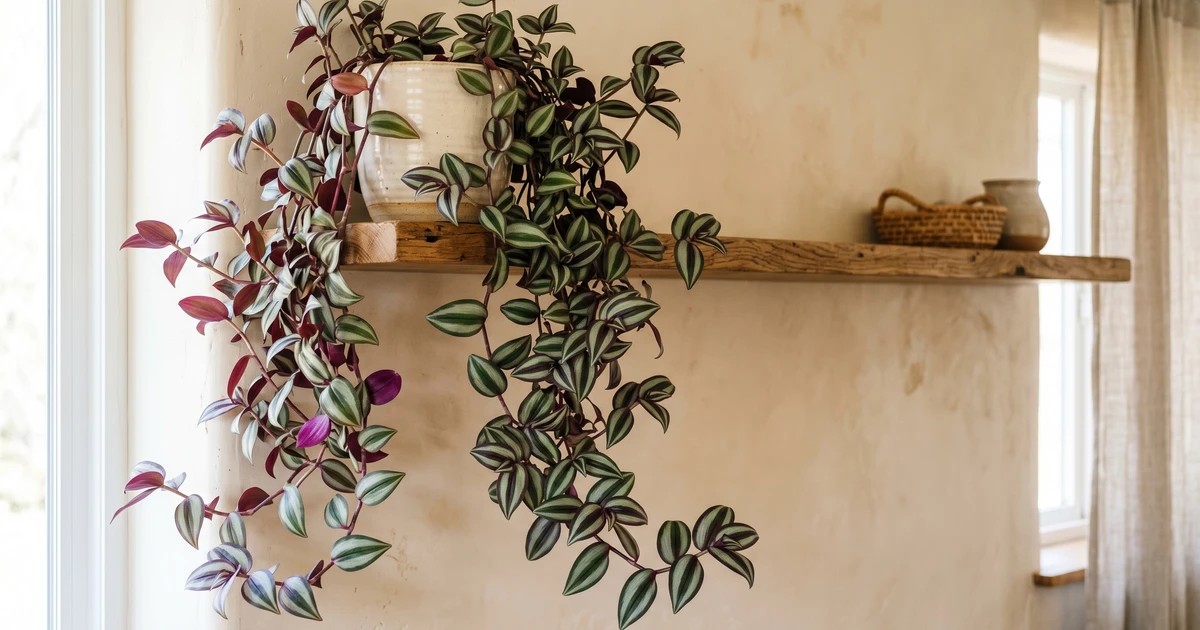

dracaena sanderiana
Evidence-based care guide for Dracaena Sanderiana (). Covers symptom diagnosis and disease treatment. Our analysis draws from 3 verified community cases with an average confidence score of 78%. Each protocol is synthesized from real rescue outcomes, not generic advice.
Care Essentials
Get to Know Your Dracaena Sanderiana
The #1 killer? Overwatering. Let the soil dry between waterings and your Dracaena Sanderiana will thrive.
Light
medium to bright indirect
Most comfortable in medium to bright indirect light. Avoid prolonged direct sun exposure.
💡 Grow lights: Thrives under artificial grow lights (LED or fluorescent, 10-12 hours/day). A great option if your space lacks natural light.
Watering
every 7-10 days
Water when the top 1-2 inches of soil feel dry. Adjust with the seasons — less in winter, more in summer.
Humidity & Temperature
Not fussy about humidity. Handles average indoor conditions without issue.
Standard room temperature (60-80°F / 15-27°C) is perfect. Avoid cold drafts and sudden temperature swings.
Soil
Standard well-draining potting mix works well. Add perlite for extra drainage if you tend to overwater.
Care Requirements
At a Glance
Care Profile in Development
While our detailed care profile is being compiled, you can find specific care guidance in the 0 care-related diagnoses below — including watering schedules, light requirements, and propagation methods from real-world cases.
Start Here
Most Common Problems
Based on 3 analyzed cases — these are the issues you're most likely to encounter
Don't see your symptom? Search all 3 topics below, or run the Diagnostic.
Why are my Dracaena Sanderiana leaves turning yellow?
Dracaena sanderiana accumulates fluoride and chlorine from municipal tap water...
Why does my Dracaena Sanderiana have root rot?
When Dracaena sanderiana is kept in stagnant water without regular changes,...
Dracaena Sanderiana: Cultural Significance
Dracaena sanderiana, marketed and culturally recognized as Lucky Bamboo,...
Which of the 7 Killers
is threatening your plants?
We use Plant Grail problem records — root rot, mites, light, humidity — to rank which failures show up most. Answer 5 questions and we'll tell you which ones match your setup.
Skip the quiz — get The 7 Killers course ($19) →Question 1 of 5
How do you decide when to water your plants?
Question 2 of 5
Where do most of your plants live?
Question 3 of 5
What's your home environment like?
Question 4 of 5
Have you lost a plant in the last 6 months?
Question 5 of 5
How often do you check your plants for pests?
Your diagnosis is ready
We've identified your top 2 risk killers. Enter your email to see the full breakdown and your personalized rescue protocol.
Your plants are most at risk from:

The 7 Killers mini-course covers mechanism, rescue protocol, and prevention for the failure classes that show up most in Grail. 7 lessons. $19.
Get The 7 Killers — $19 →Get the Plant Mortality Checklist
Root rot is the largest named failure class in Plant Grail. Free PDF of the failure map and what to check first.
Your checklist is ready!
We also sent it to your inbox. Check your email for the full download.
Open the ChecklistFree. No spam. Unsubscribe anytime.
Verified Data
All Diagnoses
3 topics consolidated from 3 documented cases. Expand any topic to see all protocols.
Symptoms (1 topics · 1 cases)
Why are my Dracaena Sanderiana leaves turning yellow?
Dracaena sanderiana accumulates fluoride and chlorine from municipal tap water in its stalk and leaf tissue, and the buildup manifests first as yellowing leaves and eventually a yellow, unsalvageable stalk when exposure continues over weeks; temperature changes, too much sun, overfeeding, and underwatering produce the same symptom
80%
Why are my Dracaena Sanderiana leaves turning yellow?
Dracaena sanderiana accumulates fluoride and chlorine from municipal tap water in its stalk and leaf tissue, and the buildup manifests first as yellowing leaves and eventually a yellow, unsalvageable stalk when exposure continues over weeks; temperature changes, too much sun, overfeeding, and underwatering produce the same symptom
Cause
Dracaena sanderiana accumulates fluoride and chlorine from municipal tap water in its stalk and leaf tissue, and the buildup manifests first as yellowing leaves and eventually a yellow, unsalvageable stalk when exposure continues over weeks; temperature changes, too much sun, overfeeding, and underwatering produce the same symptom.
Solutions
- Move the plant out of direct sun and ensure it is a consistent temperature between 16-24 degrees C (60-75 degrees F), avoiding draughts and temperature swings below 10 degrees C (50 degrees F).
- Switch immediately to distilled, filtered, or rainwater and flush the container and any pebbles clean, then refresh with tepid water every week.
- If only the leaves are yellow, prune them; if the stalk itself has turned yellow, remove the affected stems straightaway because yellow stem tissue will not recover.
- If grown in water, change the water every 1-2 weeks to prevent stagnation and bacterial growth.
Prevention
Use only distilled, filtered, or rainwater (avoiding tap-water fluoride and chlorine); keep the plant in bright indirect light at 16-24 degrees C (60-75 degrees F), and refresh hydroponic water every week so chemicals and bacteria do not accumulate.
Diseases (1 topics · 1 cases)
Why does my Dracaena Sanderiana have root rot?
When Dracaena sanderiana is kept in stagnant water without regular changes, dissolved oxygen runs out and anaerobic bacteria turn the roots black and mushy; soil-grown plants rot when the substrate stays soggy, allowing soil-borne fungi such as Fusarium oxysporum, Fusarium solani, and Colletotrichum gloeosporioides to colonise the stem and roots
80%
Why does my Dracaena Sanderiana have root rot?
When Dracaena sanderiana is kept in stagnant water without regular changes, dissolved oxygen runs out and anaerobic bacteria turn the roots black and mushy; soil-grown plants rot when the substrate stays soggy, allowing soil-borne fungi such as Fusarium oxysporum, Fusarium solani, and Colletotrichum gloeosporioides to colonise the stem and roots
Cause
When Dracaena sanderiana is kept in stagnant water without regular changes, dissolved oxygen runs out and anaerobic bacteria turn the roots black and mushy; soil-grown plants rot when the substrate stays soggy, allowing soil-borne fungi such as Fusarium oxysporum, Fusarium solani, and Colletotrichum gloeosporioides to colonise the stem and roots.
Solutions
- Unpot or lift the stalks, rinse healthy roots, and cut away every black, mushy, or foul-smelling root with sterilized shears back to firm tissue.
- Sterilize the vase or pot, add fresh pebbles, and refill with distilled, filtered, or rainwater covering the roots by at least 5cm (2in).
- Place the recovered plant in bright indirect light and refresh the water every week to keep oxygen levels up.
- If the lower stem has gone yellow or soft, cut below the affected section and re-root the healthy top in fresh water because yellow stem tissue will not regenerate.
Prevention
Refresh the hydroponic water every week using only distilled, filtered, or rainwater, keep the vase in bright indirect light, and keep temperatures between 65-90 degrees F so oxygen stays dissolved and roots do not suffocate in stagnant, anaerobic water.
Other Topics (1 topics · 1 cases)
Dracaena Sanderiana: Cultural Significance
Dracaena sanderiana, marketed and culturally recognized as Lucky Bamboo, symbolizes luck, resilience, and positive energy across East Asian traditions
75%
Dracaena Sanderiana: Cultural Significance
Dracaena sanderiana, marketed and culturally recognized as Lucky Bamboo, symbolizes luck, resilience, and positive energy across East Asian traditions
Cause
Dracaena sanderiana, marketed and culturally recognized as Lucky Bamboo, symbolizes luck, resilience, and positive energy across East Asian traditions. The number of stalks and their arrangement carry specific meanings.
Solutions
- Straight stalks represent upward growth and prosperity
- Spiral shapes channel positive chi energy
- Red ribbons symbolize fire element and activation of luck
Prevention
Keep water fresh and change every 1-2 weeks to prevent rot, which is associated with stagnating luck.
Common Questions
Frequently Asked Questions
Why does my dracaena sanderiana have Yellow leaves?
Cause: Dracaena sanderiana accumulates fluoride and chlorine from municipal tap water in its stalk and leaf tissue, and the buildup manifests first as yellowing leaves and eventually a yellow, unsalvageable stalk when exposure continues over weeks; temperature changes, too much sun, overfeeding, and underwatering produce the same symptom.
Solution: Move the plant out of direct sun and ensure it is a consistent temperature between 16-24 degrees C (60-75 degrees F), avoiding draughts and temperature swings below 10 degrees C (50 degrees F).
Prevention: Use only distilled, filtered, or rainwater (avoiding tap-water fluoride and chlorine); keep the plant in bright indirect light at 16-24 degrees C (60-75 degrees F), and refresh hydroponic water every week so chemicals and bacteria do not accumulate.
80% confidence · View full protocol →
Why does my dracaena sanderiana have Root rot?
Cause: When Dracaena sanderiana is kept in stagnant water without regular changes, dissolved oxygen runs out and anaerobic bacteria turn the roots black and mushy; soil-grown plants rot when the substrate stays soggy, allowing soil-borne fungi such as Fusarium oxysporum, Fusarium solani, and Colletotrichum gloeosporioides to colonise the stem and roots.
Solution: Unpot or lift the stalks, rinse healthy roots, and cut away every black, mushy, or foul-smelling root with sterilized shears back to firm tissue.
Prevention: Refresh the hydroponic water every week using only distilled, filtered, or rainwater, keep the vase in bright indirect light, and keep temperatures between 65-90 degrees F so oxygen stays dissolved and roots do not suffocate in stagnant, anaerobic water.
80% confidence · View full protocol →
Why does my dracaena sanderiana have Cultural significance?
Cause: Dracaena sanderiana, marketed and culturally recognized as Lucky Bamboo, symbolizes luck, resilience, and positive energy across East Asian traditions. The number of stalks and their arrangement carry specific meanings.
Solution: Straight stalks represent upward growth and prosperity
Prevention: Keep water fresh and change every 1-2 weeks to prevent rot, which is associated with stagnating luck.
75% confidence · View full protocol →
Common Questions
Frequently Asked About Dracaena Sanderiana
What problems can Dracaena Sanderiana get?
Our database contains 3 documented Dracaena Sanderiana cases covering 3 distinct topics, including diseases, pest identification, environmental stress, propagation, and advanced care protocols — each with verified solutions.
Structured Learning
Ready to Go Deeper?
Explore our Mastery Packs for structured, video-based learning with step-by-step protocols from 20,000+ analyzed plant cases.
Browse All Courses →