
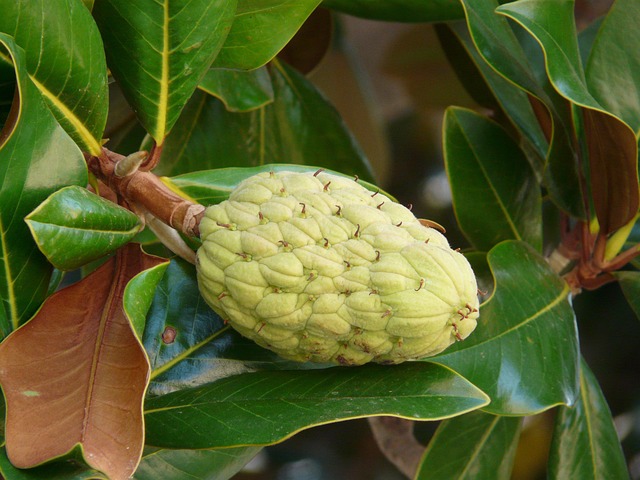
ficus elastica
Ficus elastica
Also known as: Rubber Plant, Rubber Tree
Evidence-based care guide for Ficus Elastica (Ficus elastica). Covers disease treatment, symptom diagnosis, propagation methods, care and watering. Our analysis draws from 18 verified community cases with an average confidence score of 90%. Each protocol is synthesized from real rescue outcomes, not generic advice.
Care Essentials
Get to Know Your Ficus Elastica
Light is everything for this plant. Get the placement right and everything else falls into place.
Light
bright indirect
Wants bright, indirect light — sensitive to both extremes. Too much direct sun causes burns, too little causes stretching.
💡 Grow lights: Thrives under artificial grow lights (LED or fluorescent, 10-12 hours/day). A great option if your space lacks natural light.
Watering
every 10-14 days
Let the soil dry out significantly between waterings — this plant is very sensitive to overwatering. When in doubt, wait another day.
Humidity & Temperature
Loves higher humidity (60%+). If your air is dry, group it with other plants, use a pebble tray, or run a humidifier nearby.
Prefers moderate temperatures (60-80°F). Keep away from radiators and intense afternoon sun windows.
Soil
Needs well-draining soil — add perlite or orchid bark to a standard potting mix. Good drainage is critical to prevent root rot.
Care Requirements
At a Glance
Care Profile in Development
While our detailed care profile is being compiled, you can find specific care guidance in the 4 care-related diagnoses below — including watering schedules, light requirements, and propagation methods from real-world cases.
Start Here
Most Common Problems
Based on 18 analyzed cases — these are the issues you're most likely to encounter
Don't see your symptom? Search all 18 topics below, or run the Diagnostic.
Why is my Ficus Elastica growing leggy?
Leggy growth (etiolation) is caused by chronic light deficiency. The plant...
Why does my Ficus Elastica have root rot?
Root rot (typically Pythium or Phytophthora) is caused by anaerobic conditions...
Why do my Ficus Elastica leaves have brown tips?
Brown tips are usually a sign of moisture stress or mineral sensitivity. 1)...
Ficus Elastica: Dropping Leaves
Environmental shock from sudden location changes, root confinement in shallow...
Why is my Ficus Elastica growing leggy?
Rubber Plants exhibit strong phototropism (bending toward light). 1) Light...
Which of the 7 Killers
is threatening your plants?
We analyzed 1,616 documented plant deaths to identify the 7 causes behind 78% of all losses. Answer 5 questions — we'll tell you exactly which ones apply to your setup.
Skip the quiz — get The 7 Killers course ($19) →Question 1 of 5
How do you decide when to water your plants?
Question 2 of 5
Where do most of your plants live?
Question 3 of 5
What's your home environment like?
Question 4 of 5
Have you lost a plant in the last 6 months?
Question 5 of 5
How often do you check your plants for pests?
Your diagnosis is ready
We've identified your top 2 risk killers. Enter your email to see the full breakdown and your personalized rescue protocol.
Your plants are most at risk from:

The 7 Killers mini-course covers every one of these in depth — mechanism, rescue protocol, prevention. 1,616 cases. 7 lessons. $19.
Get The 7 Killers — $19 →Get the Plant Mortality Checklist
The 7 killers behind 78% of houseplant deaths — and the exact fix for each. Free PDF based on 1,616 documented cases.
Your checklist is ready!
We also sent it to your inbox. Check your email for the full download.
Open the ChecklistFree. No spam. Unsubscribe anytime.
Verified Data
All Diagnoses
18 topics consolidated from 18 documented cases. Expand any topic to see all protocols.
Symptoms (3 topics · 3 cases)
What are these brown spots on my Ficus Elastica?
Scale insect (Coccidae family) armored exoskeletons or fungal leaf spot (Cercospora/Pestalotiopsis) from excess moisture and poor air circulation
90%
What are these brown spots on my Ficus Elastica?
Scale insect (Coccidae family) armored exoskeletons or fungal leaf spot (Cercospora/Pestalotiopsis) from excess moisture and poor air circulation
Cause
Scale insect (Coccidae family) armored exoskeletons or fungal leaf spot (Cercospora/Pestalotiopsis) from excess moisture and poor air circulation. Scale appears as brown spots that wipe off but recur due to untargeted eggs and crawlers (2-3 month lifecycle). Fungal spots have yellow halos and spread via water splash in humidity >60%.
Solutions
- Inspect all leaf surfaces, stems, and petioles with 10x loupe for scale or fungal lesions
- For scale: Dip cotton swab in 70% rubbing alcohol, wipe every visible scale to dissolve exoskeleton, repeat weekly for 3-4 weeks targeting hatching crawlers
- For fungal spots: Remove affected leaves 3 inches below spot with sterilized shears, apply copper-based fungicide to remaining foliage
- Improve air circulation with oscillating fan; reduce humidity to 40-50% if >60%
- Quarantine plant from other houseplants for 2-4 weeks during treatment
Prevention
Maintain 40-60% humidity with strong air circulation. Wipe leaves monthly with damp cloth to remove dust and detect pests early. Quarantine new plants 2 weeks. Avoid wetting foliage during watering—water at soil level only.
Why do my Ficus Elastica leaves have brown tips?
Brown tips are usually a sign of moisture stress or mineral sensitivity
92%
Why do my Ficus Elastica leaves have brown tips?
Brown tips are usually a sign of moisture stress or mineral sensitivity
Cause
Brown tips are usually a sign of moisture stress or mineral sensitivity. 1) Overwatering: Watering when the topsoil is still moist prevents roots from breathing, leading to edge dieback. 2) Fluoride/Chlorine Sensitivity: Accumulated minerals from tap water can burn leaf tips over time. 3) Low Humidity: Very dry indoor air (<30%) can cause the thin margins of leaves to crisp up. 4) Rootbound State: Confined roots can't hydrate the foliage efficiently.
Solutions
- Extend dry periods: Wait until the top 3-4 inches (or 50%) of soil is dry before soaking thoroughly.
- Filtered water: Switch to rainwater, distilled water, or filtered tap water to avoid mineral burn.
- Trim tips: Use sterilized scissors to trim the brown edges, leaving a tiny sliver of brown to avoid re-opening the wound.
- Increase humidity: Group plants together or use a pebble tray to create a localized microclimate.
Prevention
Use a moisture meter to ensure deep soil dryness. Maintain 40-50% humidity. Flush the soil monthly with distilled water to remove salt buildup.
Why are my Ficus Elastica leaves turning yellow?
Ficus elastica yellowing has multiple etiologies requiring differential diagnosis: (1) Insufficient light - causes lower leaves to yellow and drop as the plant sheds foliage to conserve energy in low-PAR conditions, often accompanied by upward leaf orientation (phototropism); (2) Root-bound constriction - roots circle the pot, preventing efficient water/nutrient uptake despite adequate soil moisture; (3) Overwatering/root rot - waterlogged anaerobic soil causes root dysfunction, presenting as basal yellowing with potentially mushy roots; (4) Transplant shock - recent repotting or environmental changes trigger nutrient mobilization from older leaves
87%
Why are my Ficus Elastica leaves turning yellow?
Ficus elastica yellowing has multiple etiologies requiring differential diagnosis: (1) Insufficient light - causes lower leaves to yellow and drop as the plant sheds foliage to conserve energy in low-PAR conditions, often accompanied by upward leaf orientation (phototropism); (2) Root-bound constriction - roots circle the pot, preventing efficient water/nutrient uptake despite adequate soil moisture; (3) Overwatering/root rot - waterlogged anaerobic soil causes root dysfunction, presenting as basal yellowing with potentially mushy roots; (4) Transplant shock - recent repotting or environmental changes trigger nutrient mobilization from older leaves
Cause
Ficus elastica yellowing has multiple etiologies requiring differential diagnosis: (1) Insufficient light - causes lower leaves to yellow and drop as the plant sheds foliage to conserve energy in low-PAR conditions, often accompanied by upward leaf orientation (phototropism); (2) Root-bound constriction - roots circle the pot, preventing efficient water/nutrient uptake despite adequate soil moisture; (3) Overwatering/root rot - waterlogged anaerobic soil causes root dysfunction, presenting as basal yellowing with potentially mushy roots; (4) Transplant shock - recent repotting or environmental changes trigger nutrient mobilization from older leaves.
Solutions
- Diagnose by checking light levels and soil moisture - insufficient light shows upward-pointing leaves and lower yellowing only
- Inspect roots: remove plant from pot and check for circling roots indicating constriction
- For root-bound plants: repot into container 2-4 inches larger with fresh well-draining mix (50% peat, 30% perlite, 20% bark)
- Optimize light: relocate to bright indirect light or supplement with full-spectrum grow lights providing 1000-2000 foot-candles
- For overwatering: allow soil to dry completely, check for root rot (trim black/mushy roots if present) and repot in fresh dry mix
Prevention
Provide consistent bright indirect light year-round; use grow light supplementation in winter. Repot every 2-3 years based on root inspection. Maintain 40-60% humidity via pebble trays. Water based on soil dryness - allow top 2-3 inches to dry between waterings.
Diseases (3 topics · 3 cases)
What disease does my Ficus Elastica have?
Fungal infections (like Cercospora or Anthracnose) manifest as irregular brown or black spots on leaves, often with a yellow halo or water-soaked appearance
88%
What disease does my Ficus Elastica have?
Fungal infections (like Cercospora or Anthracnose) manifest as irregular brown or black spots on leaves, often with a yellow halo or water-soaked appearance
Cause
Fungal infections (like Cercospora or Anthracnose) manifest as irregular brown or black spots on leaves, often with a yellow halo or water-soaked appearance. These thrive in humid, poorly ventilated indoor environments where water sits on the foliage. It can also be introduced via contaminated nursery soil or during transit.
Solutions
- Isolate: Move the plant away from others to prevent spore spread.
- Prune: Remove heavily infected leaves with sterilized shears.
- Fungicide: Apply a copper-based fungicide or neem oil spray weekly for 3 cycles.
- Dry foliage: Stop misting and avoid getting water on the leaves during watering.
Prevention
Improve airflow with a small fan. Maintain 40-50% humidity (avoiding 'tropical' saturation). Use a well-draining substrate. Quarantine new plants for 14 days.
What is the best soil mix for Ficus Elastica?
White surface mold (usually Leucocoprinus birnbaumii) is a saprophytic fungus that feeds on decaying organic matter in the soil
90%
What is the best soil mix for Ficus Elastica?
White surface mold (usually Leucocoprinus birnbaumii) is a saprophytic fungus that feeds on decaying organic matter in the soil
Cause
White surface mold (usually Leucocoprinus birnbaumii) is a saprophytic fungus that feeds on decaying organic matter in the soil. It is triggered by high humidity, poor ventilation, and soil that remains moist for too long. While harmless to the plant, it indicates a watering or airflow imbalance.
Solutions
- Scrape it off: Remove the top layer of mold with a spoon and dispose of it.
- Dry out: Withhold water until the top 2-3 inches of soil are bone-dry.
- Improve airflow: Increase ventilation around the plant to lower surface humidity.
- Soil drench: If it recurs, water with a 1:4 dilution of hydrogen peroxide and water.
Prevention
Ensure the pot has drainage. Use a well-draining aroid mix with perlite/bark. Avoid over-watering. Top-dress with a layer of sand or gravel to prevent spore activation.
Why does my Ficus Elastica have root rot?
Root rot (typically Pythium or Phytophthora) is caused by anaerobic conditions in waterlogged soil
92%
Why does my Ficus Elastica have root rot?
Root rot (typically Pythium or Phytophthora) is caused by anaerobic conditions in waterlogged soil
Cause
Root rot (typically Pythium or Phytophthora) is caused by anaerobic conditions in waterlogged soil. Rubber plants are especially vulnerable when kept in oversized pots or rigid 'app-scheduled' watering routines. Symptoms include mushy stems, yellowing lower leaves, and a foul odor from the soil.
Solutions
- Surgical pruning: Unpot the plant and cut away all black, mushy, or smelly roots with sterilized shears.
- Sterilize: Soak the remaining root ball in a 1:3 hydrogen peroxide/water solution for 10 minutes.
- Downsize pot: Repot into a smaller container (only 1-2 inches larger than the remaining root mass) with a fresh, airy aroid mix.
- Wait to water: Do not water the plant for at least 7 days after repotting to allow roots to heal.
Prevention
Never water on a schedule; always use the finger test. Use terracotta pots to help moisture evaporate. Ensure the pot size matches the root system, not the plant height.
Watering Issues (1 topics · 1 cases)
Is my Ficus Elastica overwatered?
Overwatering in Ficus elastica occurs from watering frequency, not volume
86%
Is my Ficus Elastica overwatered?
Overwatering in Ficus elastica occurs from watering frequency, not volume
Cause
Overwatering in Ficus elastica occurs from watering frequency, not volume. The plant tolerates thorough soaking if soil drains properly and dries between waterings. True overwatering results from waterlogged anaerobic soil - oversized pots, moisture-retentive mixes without perlite/bark, or watering before soil dries. This creates oxygen deprivation, leading to root dysfunction, cellular edema (squidgy brown leaf patches), and potential rot. Ficus elastica enters stress-induced dormancy-like state post-overwatering shock.
Solutions
- Understand overwatering = frequency, not volume - thorough watering is acceptable if soil drains and dries
- Check soil moisture: water only when top 2-3 inches are completely dry using finger test or moisture meter
- For suspected overwatering: cease watering immediately and allow soil to dry completely over 1-2 weeks
- Inspect roots if yellowing persists: unpot and trim any black, mushy, or foul-smelling roots with sterile shears
- Repot in well-draining mix: 50% peat-based potting soil, 30% perlite, 20% orchid bark for optimal drainage
- After repotting or root trimming: withhold water for 7-10 days to allow root healing
- Resume minimal watering until new growth appears, indicating recovery
Prevention
Water based on soil dryness, not calendar schedules. Use well-draining soil mix with 30-50% perlite or bark. Ensure pots have drainage holes. Avoid oversized pots that retain moisture. Maintain 40-60% humidity without misting to prevent edema.
Environment (1 topics · 1 cases)
Why does my Ficus Elastica have sunburn?
Sunburn (photo-oxidative stress) occurs when a Rubber Plant is suddenly exposed to direct midday sun, especially in hot climates or high altitudes
90%
Why does my Ficus Elastica have sunburn?
Sunburn (photo-oxidative stress) occurs when a Rubber Plant is suddenly exposed to direct midday sun, especially in hot climates or high altitudes
Cause
Sunburn (photo-oxidative stress) occurs when a Rubber Plant is suddenly exposed to direct midday sun, especially in hot climates or high altitudes. Symptoms include bleached, papery, or crispy brown patches on the leaves. Variegated cultivars like 'Tineke' are highly susceptible as their white sections lack protective chlorophyll.
Solutions
- Immediate shade: Move the plant to a spot with bright indirect light (no direct rays).
- Wait and watch: Do not immediately prune leaves that still have green tissue; they are still providing energy for recovery.
- Remove total loss: Only prune leaves that are completely brown and crispy to reduce pest risk.
- Mist for cooling: Use a fine mist to cool the leaf surface during extreme heatwaves (>90�F).
Prevention
Acclimate to more light gradually over 14 days (increase exposure by 1 hour daily). Use sheer curtains to filter southern or western windows. Maintain 50-60% humidity to buffer heat stress.
Growth & Structure (1 topics · 1 cases)
Why is my Ficus Elastica growing leggy?
Leggy growth (etiolation) is caused by chronic light deficiency
93%
Why is my Ficus Elastica growing leggy?
Leggy growth (etiolation) is caused by chronic light deficiency
Cause
Leggy growth (etiolation) is caused by chronic light deficiency. The plant 'stretches' its internodes (the space between leaves) to find more light, resulting in a tall, sparse, and unstable stalk. Once a stem is leggy, the spacing cannot be reversed, but new growth can be managed.
Solutions
- Chop and Prop: The most effective fix. Cut the top healthy section (with 3-4 leaves) and root it in water/perlite. Prune the remaining leggy stalk back to 3-5cm above the soil.
- Stimulate branching: Pruning the top triggers 'back-budding' where dormant nodes on the lower stalk produce new, bushier branches.
- Light upgrade: Move the plant (or rooted cuttings) to a spot with 1000-2000 lux (bright indirect light).
- Combination: Plant the newly rooted cuttings back into the same pot to fill in the sparse base.
Prevention
Never keep a Rubber Plant more than 3 feet from a bright window. Supplement with 12-14 hours of full-spectrum light in winter. Fertilize monthly with high-nitrogen food during the growing season.
Propagation (1 topics · 1 cases)
How do I propagate my Ficus Elastica?
Ficus elastica propagates via stem cuttings containing nodes with axillary buds and aerial roots
88%
How do I propagate my Ficus Elastica?
Ficus elastica propagates via stem cuttings containing nodes with axillary buds and aerial roots
Cause
Ficus elastica propagates via stem cuttings containing nodes with axillary buds and aerial roots. Success depends on auxin production at cut sites, humidity preventing transpiration before root formation, and warm temperatures (75-85°F) accelerating cell division. Water propagation allows oxygen access but soil propagation reduces transplant shock. Endophytic fungi from leaves (e.g., Trichoderma harzianum) may enhance rooting.
Solutions
- Select 4-6 inch stem cutting with 2-3 nodes and healthy leaves; cut 1 inch below node at 45° angle with sterilized shears
- Remove lower leaves, leave 2-3 top leaves (cut in half horizontally if large to reduce transpiration)
- Optional: Dip cut end in rooting hormone powder (IBA 0.8%) to accelerate root initiation
- Water method: Place cutting in jar with node submerged, roots emerging in 3-4 weeks at 75°F; change water weekly
- Soil method: Plant cutting in moist perlite/vermiculite mix, cover with clear plastic bag for humidity, roots in 4-6 weeks
- After rooting: Wait until roots 2-3 inches long before potting in well-draining aroid mix; acclimate gradually to normal humidity
Prevention
Take cuttings during active growth (spring-early summer). Use sterilized tools to prevent pathogen introduction. Select healthy, semi-woody stems with 2-3 nodes. Maintain 60-80% humidity during rooting.
Other Topics (8 topics · 8 cases)
Ficus Elastica: Dropping Leaves
Environmental shock from sudden location changes, root confinement in shallow pots, or watering inconsistency
92%
Ficus Elastica: Dropping Leaves
Environmental shock from sudden location changes, root confinement in shallow pots, or watering inconsistency
Cause
Environmental shock from sudden location changes, root confinement in shallow pots, or watering inconsistency. Ficus elastica has pre-formed abscission layers at leaf petioles that activate under stress (light/humidity/temperature shifts). Lower leaf drop indicates natural senescence or root issues; widespread drop signals acute environmental stress. Variegated cultivars more sensitive due to reduced chlorophyll.
Solutions
- Diagnose cause: Check if drop limited to lower leaves (natural) vs widespread (stress); inspect roots for circling/rot; assess recent location changes
- Repot into deeper container with well-draining aroid mix (50% potting soil, 30% perlite, 20% orchid bark) if roots fill pot
- Stabilize environment: Maintain bright indirect light (2000-5000 lux), 50-60% humidity, consistent temperature without drafts
- Adjust watering: Allow top 2-3 inches soil to dry thoroughly between waterings; reduce to every 3-4 weeks in winter
- Wait 2-8 weeks for stabilization; prune only completely bare stems to encourage branching
Prevention
Acclimate gradually over 1-2 weeks when moving locations. Use pots 2-3 inches deeper than root ball with drainage. Maintain consistent 65-85°F temperature, 50-60% humidity. Water only when top 2-3 inches dry. Avoid moves during winter dormancy (October-March).
How much light does my Ficus Elastica need?
Ficus elastica requires bright indirect light (1000-2000 foot-candles or 2000-5000 lux) for optimal growth and foliage retention
86%
How much light does my Ficus Elastica need?
Ficus elastica requires bright indirect light (1000-2000 foot-candles or 2000-5000 lux) for optimal growth and foliage retention
Cause
Ficus elastica requires bright indirect light (1000-2000 foot-candles or 2000-5000 lux) for optimal growth and foliage retention. Low light triggers etiolation - leaves point upward toward light sources, lower leaves yellow and drop as the plant conserves energy, and new growth becomes leggy. Sudden light increases cause acclimation shock with leaf drop and yellowing. The plant naturally sheds lower foliage in suboptimal light conditions.
Solutions
- Assess current light: leaves pointing upward indicate insufficient light (phototropism)
- Relocate to bright indirect light location: east or west-facing windows ideal, or 3-6 feet from south window with sheer curtain
- Supplement with full-spectrum LED grow lights (12-14 hours daily) if natural light inadequate, especially in winter
- When increasing light: acclimate gradually over 2-4 weeks, increasing exposure 1-2 hours daily to prevent shock
- Elevate plant so light source is directly above to encourage horizontal leaf orientation
- Monitor for recovery: new growth should appear within 4-6 weeks after light optimization
Prevention
Maintain consistent bright indirect light year-round. Use grow light supplementation during low-light seasons. Avoid placing in dark corners or north-facing windows as primary location. Acclimate gradually when moving plants to new locations with different light levels. Monitor leaf orientation - horizontal leaves indicate adequate light. Keep humidity at 40-60% to support healthy foliage in bright light conditions.
Why is my Ficus Elastica dropping leaves?
Ficus elastica exhibits rapid leaf abscission (drop) from multiple stressors: environmental shock from transport/repotting (transplant stress), low light conditions triggering energy conservation, overwatering-induced root dysfunction, or pot-bound root constriction
88%
Why is my Ficus Elastica dropping leaves?
Ficus elastica exhibits rapid leaf abscission (drop) from multiple stressors: environmental shock from transport/repotting (transplant stress), low light conditions triggering energy conservation, overwatering-induced root dysfunction, or pot-bound root constriction
Cause
Ficus elastica exhibits rapid leaf abscission (drop) from multiple stressors: environmental shock from transport/repotting (transplant stress), low light conditions triggering energy conservation, overwatering-induced root dysfunction, or pot-bound root constriction. Post-purchase shock is particularly common as plants adjust to new light, humidity, and temperature conditions. Root-bound conditions after years in the same container restrict nutrient/water uptake, mimicking drought stress despite adequate soil moisture.
Solutions
- Inspect roots for circling or density - root-bound plants need repotting into a container 2-4 inches larger
- For post-purchase shock: maintain stable conditions (65-80°F, 40-60% humidity, bright indirect light) and wait 4-6 weeks for recovery
- Check soil moisture with finger or meter - water only when top 2-3 inches are dry; avoid overwatering
- Ensure bright indirect light (2000-5000 lux) - insufficient light causes natural lower leaf shedding
- If propagation needed: take 4-6 inch stem cuttings with nodes, apply rooting hormone, root in well-draining mix
Prevention
Acclimate new plants gradually over 1-2 weeks when changing locations. Repot every 2-3 years or when roots emerge from drainage holes. Maintain consistent watering based on soil dryness, not calendar schedules. Provide bright indirect light year-round and stable humidity levels.
Ficus Elastica: Leaf Shine
Ficus elastica's thick, waxy cuticle accumulates dust particles, reducing photosynthetic efficiency by 15-30% and blocking stomata
87%
Ficus Elastica: Leaf Shine
Ficus elastica's thick, waxy cuticle accumulates dust particles, reducing photosynthetic efficiency by 15-30% and blocking stomata
Cause
Ficus elastica's thick, waxy cuticle accumulates dust particles, reducing photosynthetic efficiency by 15-30% and blocking stomata. Seasonal dustfall fluxes are higher in winter and industrial areas. Regular cleaning maintains air pollution tolerance index (APTI) and aesthetic appeal. Leaf shine products can clog stomata; natural methods preferred. Crystallized mineral salts from hard water cause silvery spots via guttation through hydathodes.
Solutions
- Dust regularly: Wipe upper and lower leaf surfaces with soft cloth dampened with distilled/filtered water, supporting leaf with hand underneath
- For stubborn dust: Add 1-2 drops mild dish soap to 1 quart distilled water; wipe leaves, rinse with clean damp cloth immediately
- For mineral spots: Flush soil with 3x pot volume distilled water; transition to filtered/rainwater for all watering (TDS <50ppm)
- Avoid leaf shine products, oils, or mayonnaise which clog stomata and attract dust; neem oil only for pest treatment
- Inspect during cleaning: Check for pests (spider mites, scale), yellowing, or damage; document with photos for tracking
Prevention
Wipe leaves every 2-4 weeks with distilled or filtered water. Use soft microfiber cloth to avoid scratching cuticle. Position away from heating vents and high-traffic dust areas. Flush soil monthly if using tap water to prevent mineral buildup.
How much light does my Ficus Elastica need?
Ficus elastica exhibits distinct photomorphogenic responses based on light intensity and quality: (1) Insufficient light (<2000 lux) triggers etiolation—stems elongate, internodes stretch, leaves become smaller and darker as the plant attempts to reach light sources; (2) Chlorophyll fluorescence studies demonstrate reduced photosystem II efficiency in low light conditions; (3) Variegated cultivars show heightened photosensitivity in white tissue areas lacking chlorophyll, resulting in photooxidative stress and tissue damage; (4) Direct intense sunlight causes photoinhibition and leaf scorch, particularly in plants acclimated to lower light levels
90%
How much light does my Ficus Elastica need?
Ficus elastica exhibits distinct photomorphogenic responses based on light intensity and quality: (1) Insufficient light (<2000 lux) triggers etiolation—stems elongate, internodes stretch, leaves become smaller and darker as the plant attempts to reach light sources; (2) Chlorophyll fluorescence studies demonstrate reduced photosystem II efficiency in low light conditions; (3) Variegated cultivars show heightened photosensitivity in white tissue areas lacking chlorophyll, resulting in photooxidative stress and tissue damage; (4) Direct intense sunlight causes photoinhibition and leaf scorch, particularly in plants acclimated to lower light levels
Cause
Ficus elastica exhibits distinct photomorphogenic responses based on light intensity and quality: (1) Insufficient light (<2000 lux) triggers etiolation—stems elongate, internodes stretch, leaves become smaller and darker as the plant attempts to reach light sources; (2) Chlorophyll fluorescence studies demonstrate reduced photosystem II efficiency in low light conditions; (3) Variegated cultivars show heightened photosensitivity in white tissue areas lacking chlorophyll, resulting in photooxidative stress and tissue damage; (4) Direct intense sunlight causes photoinhibition and leaf scorch, particularly in plants acclimated to lower light levels.
Solutions
- Provide bright indirect light of 2000-5000 lux: Position 8-10 feet from south or east-facing windows; use sheer curtains to filter direct sun
- For etiolated plants: Gradually increase light exposure over 2-3 weeks to prevent shock; prune leggy stems to encourage bushier growth from lower nodes
- For variegated varieties: Protect white tissue areas from intense direct sun; maintain consistent light to preserve variegation patterns—low light causes reversion to green
- Supplement with full-spectrum LED grow lights: 12-14 hours daily in windowless rooms or during winter; position 12-18 inches above foliage
- Rotate plant 90 degrees weekly to ensure even light distribution and symmetrical growth
Prevention
Assess light levels with phone lux meter app; maintain minimum 2000 lux for compact growth; avoid sudden moves from low to high light without 2-week acclimation period; for variegated cultivars, provide bright but filtered light to prevent both etiolation and photooxidative damage; clean leaves monthly to maximize light absorption
How much light does my Ficus Elastica need?
Ficus elastica requires bright indirect light (2000-5000 lux, 200-500 foot-candles) for optimal photosynthesis
91%
How much light does my Ficus Elastica need?
Ficus elastica requires bright indirect light (2000-5000 lux, 200-500 foot-candles) for optimal photosynthesis
Cause
Ficus elastica requires bright indirect light (2000-5000 lux, 200-500 foot-candles) for optimal photosynthesis. Leaf angle distribution (LAD) adapts to capture light efficiently (R²=0.91 at single-leaf scale). Insufficient light (<1000 lux) causes etiolation, leggy growth, small leaves, and leaf drop. Direct sun >10,000 lux causes photoinhibition and leaf scorch, especially on variegated cultivars with reduced chlorophyll. North-facing windows typically provide <1000 lux requiring supplementation.
Solutions
- Diagnose light level: Use phone lux meter app; <1000 lux requires supplemental lighting, 2000-5000 lux ideal, >10,000 lux too high
- For low light: Move to brighter location or install clip-on LED grow light 12-18 inches above canopy on 12-14 hour timer
- For leggy growth: Prune leggy stems 1 inch above node to encourage branching; increase light gradually over 1-2 weeks
- For leaf scorch: Move 2-3 feet further from window or add sheer curtain; prune scorched leaves at petiole base
- Elevate plant on stand 3-4 feet high for even light distribution to lower canopy; avoid floor placement causing self-shading
Prevention
Position 3-8 feet from east/west windows or use sheer curtains for south windows. Rotate plant 90° weekly for even growth. Use full-spectrum LED grow lights (6500K, 15-30W) 12-14 hours/day if natural light <2000 lux. Monitor with lux meter app.
Ficus Elastica: No New Growth
A Rubber Plant that stops producing leaves for months is usually in a state of 'stasis' rather than dormancy
90%
Ficus Elastica: No New Growth
A Rubber Plant that stops producing leaves for months is usually in a state of 'stasis' rather than dormancy
Cause
A Rubber Plant that stops producing leaves for months is usually in a state of 'stasis' rather than dormancy. 1) Light Hunger: The plant isn't getting enough PAR to fuel expansion. 2) Rootbound State: The plant has filled its pot and has no energy for new biomass. 3) Transplant Shock: Post-repotting, the plant prioritizes root recovery over foliage growth for 3-6 months. 4) Apical Dominance: The top bud remains dormant without a growth trigger.
Solutions
- Light audit: Move to a spot with 1000-2000 foot-candles of light (or 200+ PPFD).
- Top pruning: Snip the very top growth point to break apical dominance and trigger lateral branching.
- Check roots: If roots are circling the bottom, up-pot in spring.
- Patience: If recently repotted, wait at least 3 months for the 'adjustment slump' to end.
Prevention
Fertilize monthly with diluted liquid fertilizer (spring-fall). Rotate the plant weekly. Maintain consistent humidity above 40%.
Why is my Ficus Elastica growing leggy?
Rubber Plants exhibit strong phototropism (bending toward light)
91%
Why is my Ficus Elastica growing leggy?
Rubber Plants exhibit strong phototropism (bending toward light)
Cause
Rubber Plants exhibit strong phototropism (bending toward light). 1) Light Reaching: If placed off-center from a window, the plant redistributes growth hormones (auxin) to lean toward the glass. 2) Weight Failure: Rapid vertical growth in low-light conditions produces weak stems that eventually collapse under the weight of the heavy, latex-filled leaves. 3) Mechanical Stress: Lack of 'wind' indoors prevents the stem from thickening.
Solutions
- Corrective rotation: Turn the plant 180 degrees until it straightens, then rotate 90 degrees weekly.
- Mechanical support: Secure the main stem to a bamboo stake or moss pole using soft ties (avoid tight string).
- Stem strengthening: Gently shake the plant weekly for 10 seconds to simulate wind and trigger stem thickening (thigmomorphogenesis).
- Bonsai wiring: For extreme leans, use 3mm aluminum wire to gradually pull the stem into an upright position over several weeks.
Prevention
Rotate the pot regularly. Provide bright light from multiple directions (supplement with LEDs). Prune the top 6 inches every 2 years to keep the center of gravity low.
Common Questions
Frequently Asked Questions
Why does my ficus elastica have Leggy growth?
Cause: Leggy growth (etiolation) is caused by chronic light deficiency. The plant 'stretches' its internodes (the space between leaves) to find more light, resulting in a tall, sparse, and unstable stalk. Once a stem is leggy, the spacing cannot be reversed, but new growth can be managed.
Solution: Chop and Prop: The most effective fix. Cut the top healthy section (with 3-4 leaves) and root it in water/perlite. Prune the remaining leggy stalk back to 3-5cm above the soil.
Prevention: Never keep a Rubber Plant more than 3 feet from a bright window. Supplement with 12-14 hours of full-spectrum light in winter. Fertilize monthly with high-nitrogen food during the growing season.
93% confidence · View full protocol →
Why does my ficus elastica have Root rot?
Cause: Root rot (typically Pythium or Phytophthora) is caused by anaerobic conditions in waterlogged soil. Rubber plants are especially vulnerable when kept in oversized pots or rigid 'app-scheduled' watering routines. Symptoms include mushy stems, yellowing lower leaves, and a foul odor from the soil.
Solution: Surgical pruning: Unpot the plant and cut away all black, mushy, or smelly roots with sterilized shears.
Prevention: Never water on a schedule; always use the finger test. Use terracotta pots to help moisture evaporate. Ensure the pot size matches the root system, not the plant height.
92% confidence · View full protocol →
Why does my ficus elastica have Brown tips?
Cause: Brown tips are usually a sign of moisture stress or mineral sensitivity. 1) Overwatering: Watering when the topsoil is still moist prevents roots from breathing, leading to edge dieback. 2) Fluoride/Chlorine Sensitivity: Accumulated minerals from tap water can burn leaf tips over time. 3) Low Humidity: Very dry indoor air (<30%) can cause the thin margins of leaves to crisp up. 4) Rootbound State: Confined roots can't hydrate the foliage efficiently.
Solution: Extend dry periods: Wait until the top 3-4 inches (or 50%) of soil is dry before soaking thoroughly.
Prevention: Use a moisture meter to ensure deep soil dryness. Maintain 40-50% humidity. Flush the soil monthly with distilled water to remove salt buildup.
92% confidence · View full protocol →
Why does my ficus elastica have Dropping leaves?
Cause: Environmental shock from sudden location changes, root confinement in shallow pots, or watering inconsistency. Ficus elastica has pre-formed abscission layers at leaf petioles that activate under stress (light/humidity/temperature shifts). Lower leaf drop indicates natural senescence or root issues; widespread drop signals acute environmental stress. Variegated cultivars more sensitive due to reduced chlorophyll.
Solution: Diagnose cause: Check if drop limited to lower leaves (natural) vs widespread (stress); inspect roots for circling/rot; assess recent location changes
Prevention: Acclimate gradually over 1-2 weeks when moving locations. Use pots 2-3 inches deeper than root ball with drainage. Maintain consistent 65-85°F temperature, 50-60% humidity. Water only when top 2-3 inches dry. Avoid moves during winter dormancy (October-March).
92% confidence · View full protocol →
Why does my ficus elastica have Stretching?
Cause: Rubber Plants exhibit strong phototropism (bending toward light). 1) Light Reaching: If placed off-center from a window, the plant redistributes growth hormones (auxin) to lean toward the glass. 2) Weight Failure: Rapid vertical growth in low-light conditions produces weak stems that eventually collapse under the weight of the heavy, latex-filled leaves. 3) Mechanical Stress: Lack of 'wind' indoors prevents the stem from thickening.
Solution: Corrective rotation: Turn the plant 180 degrees until it straightens, then rotate 90 degrees weekly.
Prevention: Rotate the pot regularly. Provide bright light from multiple directions (supplement with LEDs). Prune the top 6 inches every 2 years to keep the center of gravity low.
91% confidence · View full protocol →
Common Questions
Frequently Asked About Ficus Elastica
What problems can Ficus Elastica get?
Our database contains 18 documented Ficus Elastica cases covering 18 distinct topics, including diseases, pest identification, environmental stress, propagation, and advanced care protocols — each with verified solutions.
Structured Learning
Ready to Go Deeper?
Explore our Mastery Packs for structured, video-based learning with step-by-step protocols from 20,000+ analyzed plant cases.
Browse All Courses →